Dive Brief:
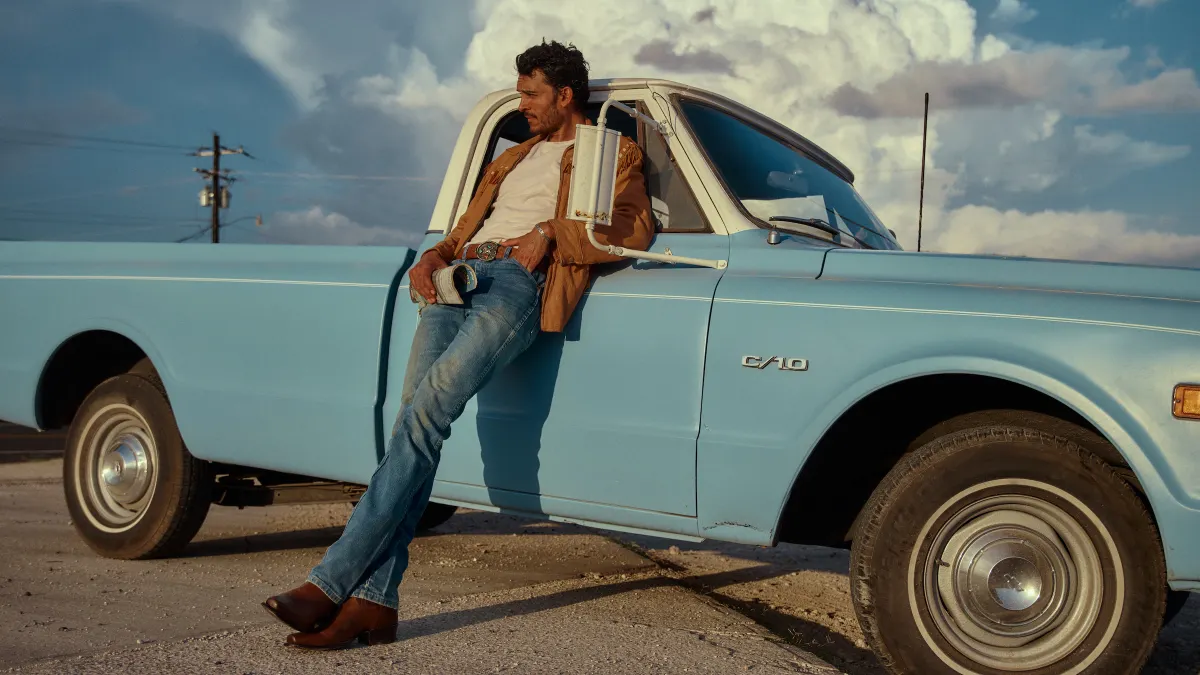
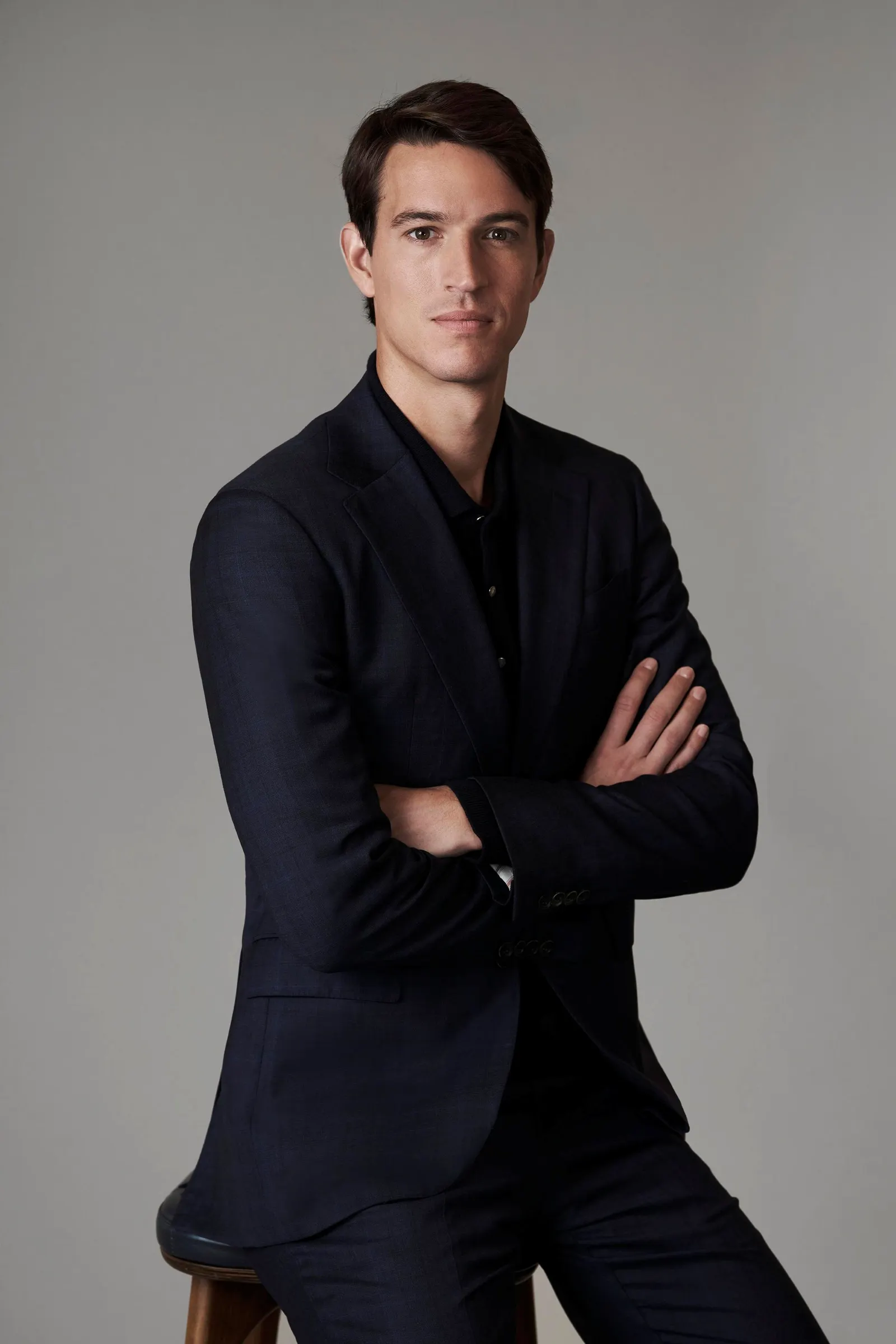
- Nike is looking to the luxury sector for inspiration as its turnaround drags on. The retailer on Wednesday announced Alexandre Arnault, deputy CEO of LVMH’s wine and spirits division Moët Hennessy, will join its board of directors.
- Arnault has held his current role since February 2025. He previously oversaw LVMH’s acquisition of luggage brand Rimowa and ran that business for four years. Arnault also has experience at Tiffany & Co. and McKinsey & Company.
- "Alexandre has earned a reputation for helping iconic global brands evolve, innovate and grow in a changing, complex marketplace," Nike Executive Chairman Mark Parker said in a statement on the appointment.
Dive Insight:
In an increasingly competitive activewear market that requires stronger innovation to win with shoppers, Nike is hoping a luxury executive can help it make progress.
"Alexandre understands how some of the world's most influential brands stay relevant, deepen consumer connections and drive long-term growth," Nike CEO Elliott Hill said in a statement. "His experience across innovation, digital transformation and brand building will be an asset as we continue to strengthen our connection with consumers, sharpen our competitive edge and accelerate Nike's next chapter of growth around the world."
The announcement comes about a week after news broke that Nike would lose its place on the S&P 100. That may be due more to accelerating growth at other companies than Nike’s protracted turnaround, but the long turnaround isn’t helping.
“Nike is attempting a complex global turnaround at a tricky time, with lifestyle demand slowing and competition heating up,” BMO Capital Markets analyst Kelly Crago said in a recent client note. “We believe this is an early sign of a multi-year wallet share shift that will be negative for [Nike].”
Nike is by no means standing still. In recent months, the company has announced a reset for its online distribution in China and unveiled a Studio Fleece line aimed at reigniting its sportswear business. Nike also named a new CFO and has continued to shake up its leadership structure, naming a commercial chief in August just months after cutting the position.
But the company is also still recovering from the overextension of its core footwear franchises and weathering challenges across its business.
“The top line is worsening, not improving,” BNP Paribas Equity Research senior analyst Laurent Vasilescu said in a note from July.
The analyst flagged that product purchase obligations, which have been “very tightly correlated to revenues” over the last 12 years, have declined for four consecutive years. Nike this year will also likely see continued negative trends within its Converse business and China, both of which recorded double-digit declines in the brand’s most recent quarter.
At the same time, the retailer has spent years adjusting for a DTC strategy that went too far. Recently, Nike has been quietly closing its small-format Nike Live stores, and Guggenheim Securities analysts noted that Nike’s overall store count declined 4% last year. That puts the brand’s U.S. footprint closer to fiscal 2022 levels.