What it takes for a brand to succeed — and survive — has changed drastically over the years. Gone are the days when brands could feasibly operate as pureplays. They must now continuously find ways to expand their distribution to reach customers.
Whether the brands are established or are still trying to get their footing, brick and mortar is becoming necessary in order to stand out in an increasingly crowded market. Several brands have forged wholesale deals with retailers to get their products in front of a new set of customers.
ButcherBox, for example, launched in 2015 as an online subscription business. But at the start of this year, the company, known for its meat and seafood offerings, kicked off its first major retail partnership with Target.
Others have taken a different approach, opting to build out their own fleet of stores or open store concepts within other retailer’s locations. Warby Parker, one of the most well-known names in the eyewear sector, last year formed a partnership with Target to launch shop-in-shops in some of the mass merchant’s stores.
But younger brands aren’t the only ones giving the industry something to talk about. More legacy brands and retailers are looking for ways to connect with new customers, notably by embarking on brick-and-mortar expansions.
While the industry has experienced a rough start to the year, with bankruptcy filings and layoff announcements, there are still retailers making major moves. Here are six brands to keep an eye on in 2026.
1. FP Movement
While FP Movement has been around for nearly 15 years, the brand has really made a name for itself in recent years.
The activewear label has been a bright spot for parent company Urban Outfitters, Inc., and CEO Dick Hayne in 2020 said FP Movement had “the potential to become a billion-dollar brand” and that the company “plan[s] to invest in its growth aggressively.”
The brand opened its first stand-alone store in late 2020 in Century City, California, and as of November, FP Movement operated around 75 locations, with about 20 of those stores opening last year alone.
The brand has also strengthened wholesale relationships. FP Movement early last year announced a partnership with Nordstrom for a pop-up at the department store’s New York City flagship. The tie-up included fitness events, a Q&A speaker series and exclusive products from FP Movement’s latest collection.
The offshoot brand, which was established in 2012, has also posted strong financial results recently. In the third quarter, FP Movement experienced total growth of 18%, driven by retail comps increasing 4% and wholesale segment sales growing 29%.
“FP Movement had a spectacular quarter at wholesale this year. And we don't necessarily see that slowing down,” Sheila Harrington, global CEO of Urban Outfitters and Free People groups, said on an earnings call in November. “We see our specialty store business thriving as we specialize our product into the outdoor space, our studio space and the international opportunity we have with both [Free People and FP Movement] brands.”
2. Mango
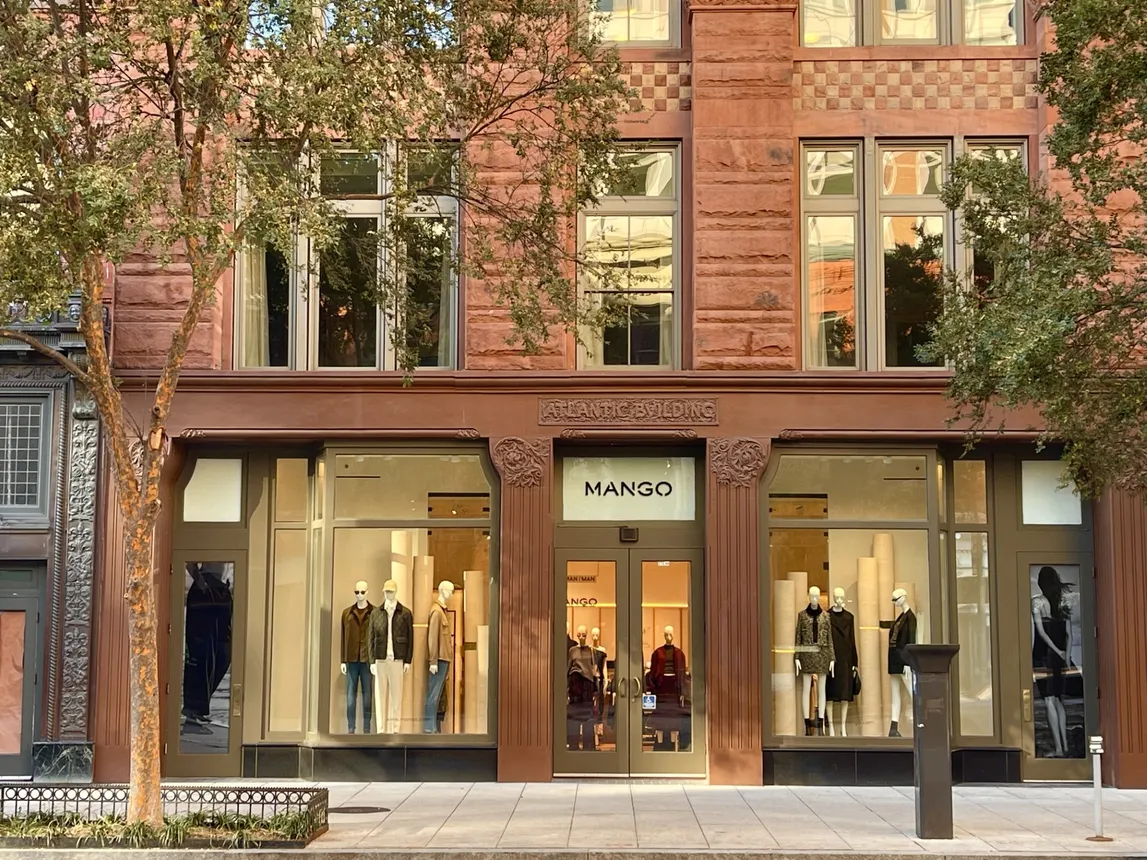
Apparel retailer Mango is by no means emerging. The 40-plus-year-old company, however, is expanding — in a big way.
Two years ago, the company announced plans to open 500 new stores by 2026 across key markets like the U.S. Spain, France, Italy, India, the U.K. and Canada.
Mango’s U.S. expansion plan kicked off in 2022 — 16 years after it entered the market — with the opening of its Fifth Avenue flagship in New York City. Mango now boasts around 65 stores in the U.S., including in Chicago, San Diego and Miami.
The region has become one of the company’s top-five markets, and the company said that by this year, it expects the region to become one of its top-three markets in terms of revenue.
Mango has expanded its reach online as well. The company opened a virtual store on Roblox in 2024, allowing users to buy digital clothing and products for their avatars. That same year, the brand announced plans to expand its e-commerce operations to 12 new markets — including Angola, Belize, Brunei, Gabon and New Zealand — bringing its international reach to over 120 markets.
The company has also been working to build out its assortment in the teen and home categories, with the retailer opening its first dedicated Mango Home store last year.
3. Tecovas
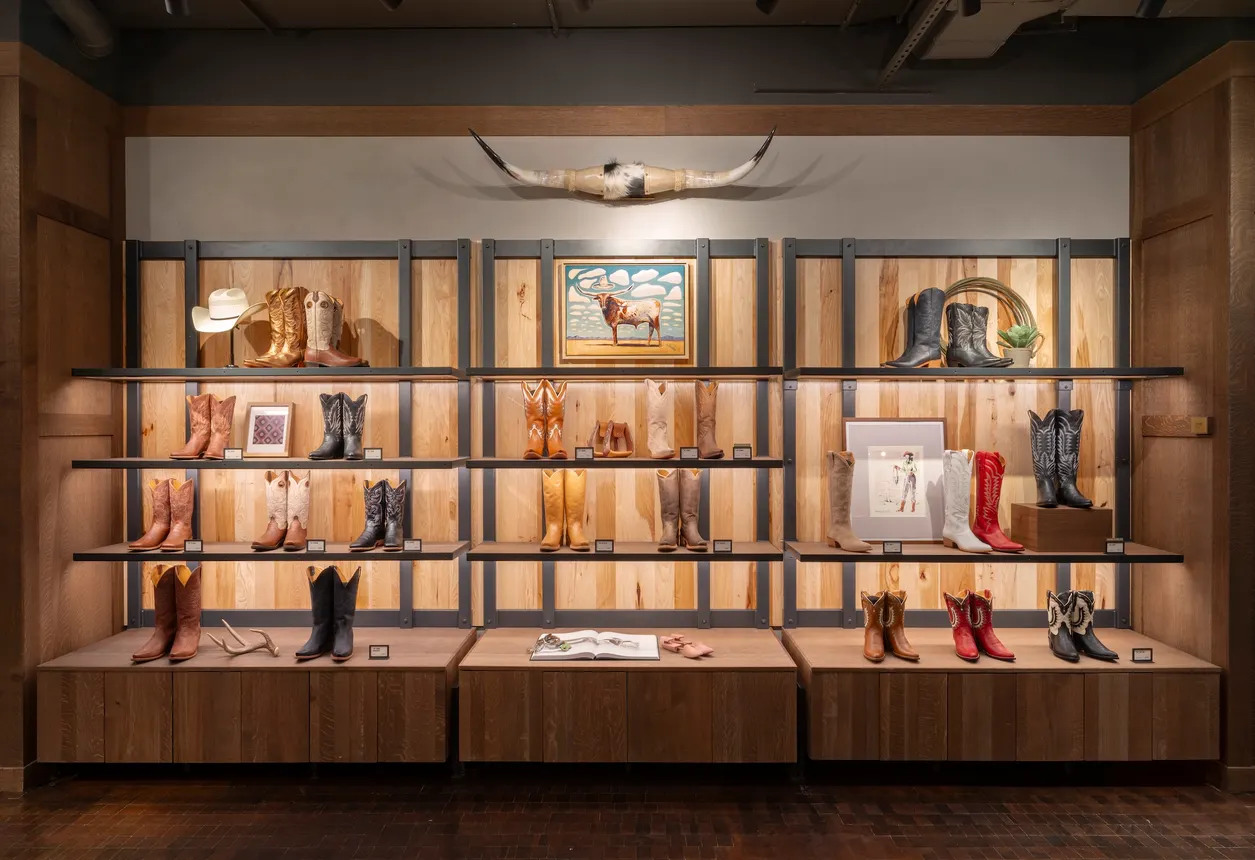
When Paul Hedrick founded western boot brand Tecovas in 2015, he was initially selling the boots out of his trunk wherever he could — farmers markets, his old elementary school’s holiday fair and other local fairs.
The brand opened its first store, in its hometown of Austin, Texas, in 2019 and has since expanded to around 55 locations.
Craftsmanship is at the heart of Tecovas, with each boot taking 200 steps by hand to make.
The brand grew 70% year over year in 2021, driving it to seek out a retail veteran as it continues to scale.
In 2022, the brand appointed David Lafitte as CEO. Lafitte previously served as chief operating officer at Deckers Brands where he led operations across the company’s portfolio, which at the time included Hoka, Ugg, Teva and Sanuk.
Lafitte’s appointment followed other executive hires that year, including On Running veteran Gillian Kennedy as chief marketing officer; Orvis and Ralph Lauren vet Paul Choi as chief product officer; former Aldo executive Nathan Cray as chief supply chain officer; and Deckers vet Kim Heidt as senior vice president of retail.
4. Cyklar
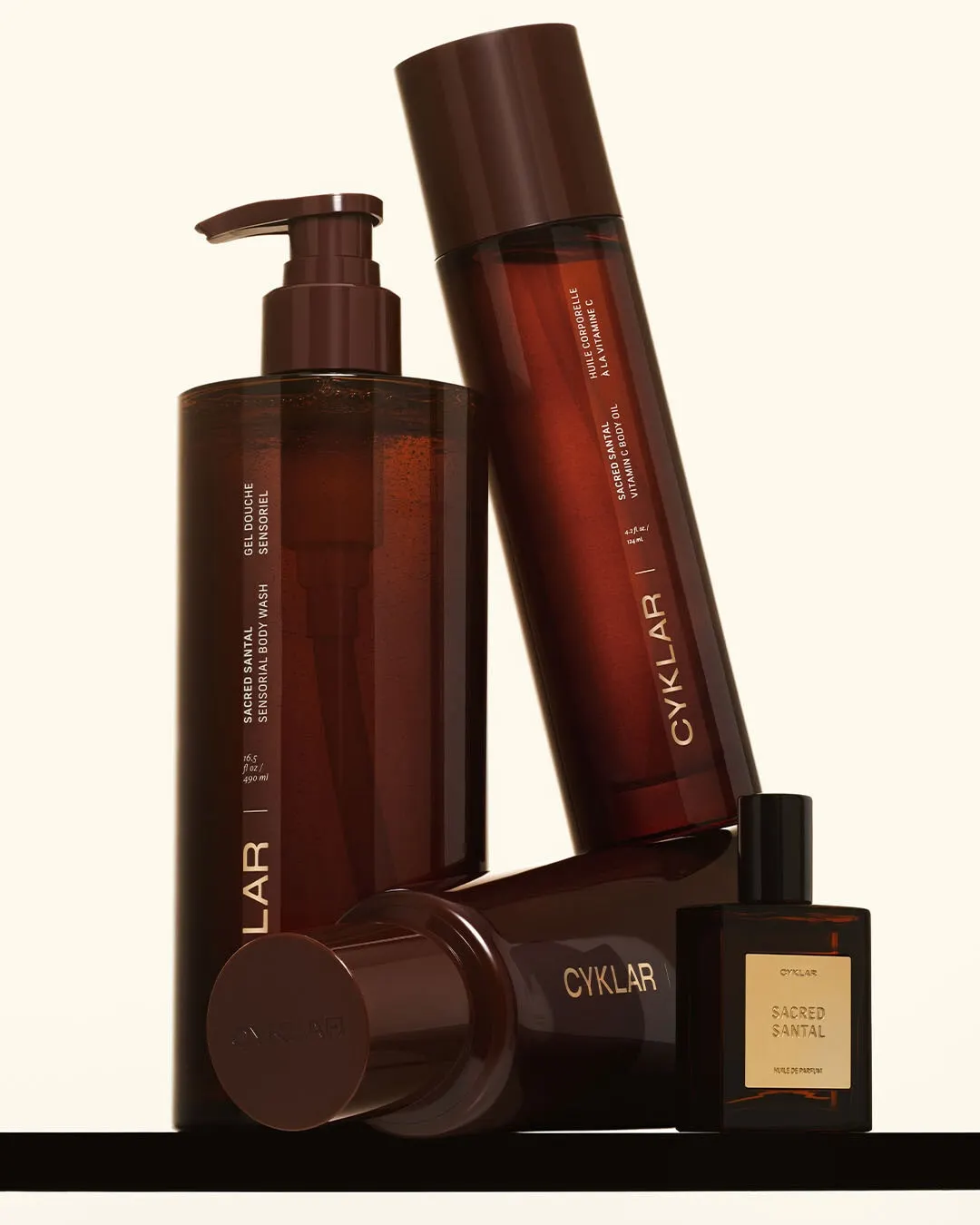
Actress and YouTuber Claudia Sulewski in 2023 founded Cyklar, a genderless body care brand.
The brand says its products are “skincare-influenced,” as well as vegan, cruelty free, paraben free, gluten free and dermatologist tested.
“With Cyklar, my mission is to build a business that encourages you to give yourself an extra minute of time, to choose yourself, indulge in a small way — whenever your day allows for it,” Sulewski writes on the brand’s website. “Knowing how precious those few minutes are, it is my highest priority to create products that are worth it. My hope is that Cyklar can help you feel balanced, confident in your skin and ready to show up as your best self.”
A year after its launch, Cyklar formed a strategic partnership with beauty accelerator The Center, which also houses fragrance brand Phlur, skin care brand Prequel, makeup brand Make Beauty and Iskra Lawrence-founded Saltair.
While the brand launched with a single product, the Body Cream, it has since expanded its assortment to include body washes, deodorants, perfume oil and more.
And earlier this month, Cyklar announced it would launch in Sephora, marking its first major prestige retail partner. Through the tie-up, the brand’s products will be added to Sephora’s website in late February and expand to about 450 of its stores by mid-March. The company said it is operationally ready to take on a wholesale partner of Sephora’s size, touting its hero SKUs, a robust supply chain and proven demand from customers.
"Cyklar was built intentionally — with our community, with formulation integrity, and with longevity in mind,” Sulewski said in a statement. “Sephora has always felt like the ultimate home for the brand. Their customer is skincare-first, ingredient-aware, fragrance-loving, and deeply routine-driven — exactly who Cyklar is for."
5. Homecourt
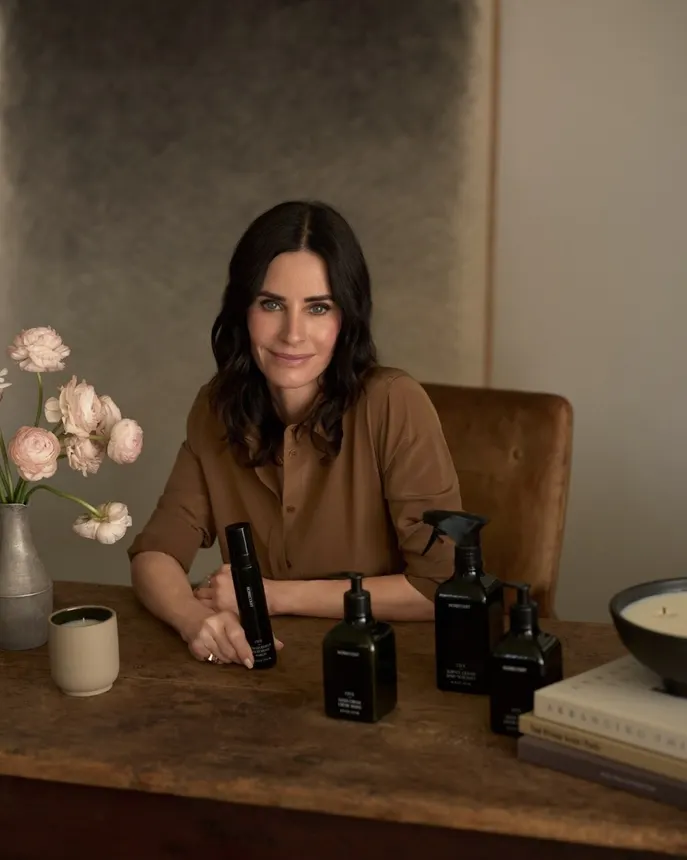
While Courteney Cox played Monica Geller on the popular television sitcom “Friends,” the character’s cleaning habits appear to extend offscreen for the actor. Cox in 2022 launched Homecourt, a home care brand.
“As a self-proclaimed neat freak, I’ve always loved the ritual of cleaning,” Cox said in a statement on the brand’s website. “I could never find products that smelled or looked as good as they worked, or anything that truly elevated homecare to what I’ve always felt it should be: an investment in yourself, your loved ones, and your daily sense of well-being.”
Over the years, the brand has expanded beyond home care into new categories, like laundry and body care. It has also caught the attention of investors: In October, Homecourt secured $8 million in Series A funding led by Cult Capital. At the time, Homecourt said it would use the investment to build out its team, as well as grow its infrastructure and brand awareness.
The brand initially launched as a direct-to-consumer brand, but has steadily expanded its wholesale presence into more than 300 retail doors, including Bluemercury, Revolve and Nordstrom.
Homecourt’s growth comes as other celebrity-backed brands have been gaining momentum in recent years. Jennifer Aniston’s LolaVie hair care brand and Mindy Kaling’s Lion Pose skin care brand have forged retail partnerships, while Hailey Bieber’s Rhode was snapped up by E.l.f. Beauty for $1 billion.
6. Skims
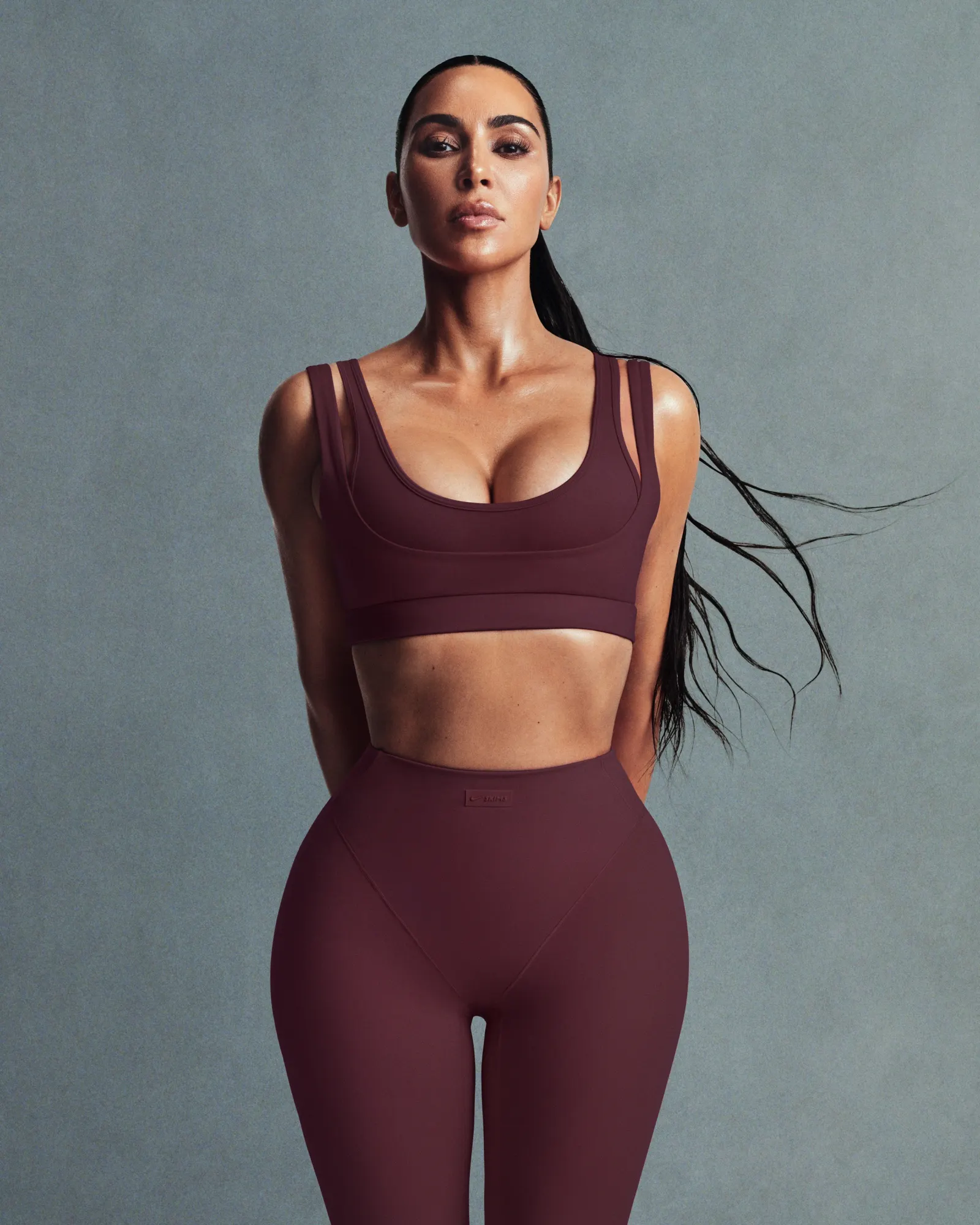
Skims launched into the shapewear market in 2019 at a time when one name largely dominated the space.
Since then, the brand has expanded into other categories like loungewear and men’s, and inked a major deal to become the official underwear partner of the NBA, WNBA and USA Basketball.
And it doesn’t appear to be slowing down anytime soon.
Last year, Skims announced a partnership with Nike to launch a new brand, dubbed NikeSkims. After production delays, the brand officially launched in September with seven collections and nearly 60 styles.
And in November, Skims secured $225 million in a funding round led by Goldman Sachs Alternatives with participation from BDT & MSD Partners’ affiliated funds. The investment pushed the brand’s valuation to $5 billion.
Skims said it planned to use the funding to fuel physical expansion and international growth. The brand opened its first permanent store in 2024 in Washington, D.C. and has expanded to other markets, including Los Angeles, Atlanta, Nashville, Chicago and Boca Raton, Florida.
Skims, which was on track to reach $1 billion in net sales in 2025, said it aims to become a predominantly physical business in the coming years.