Dive Brief:
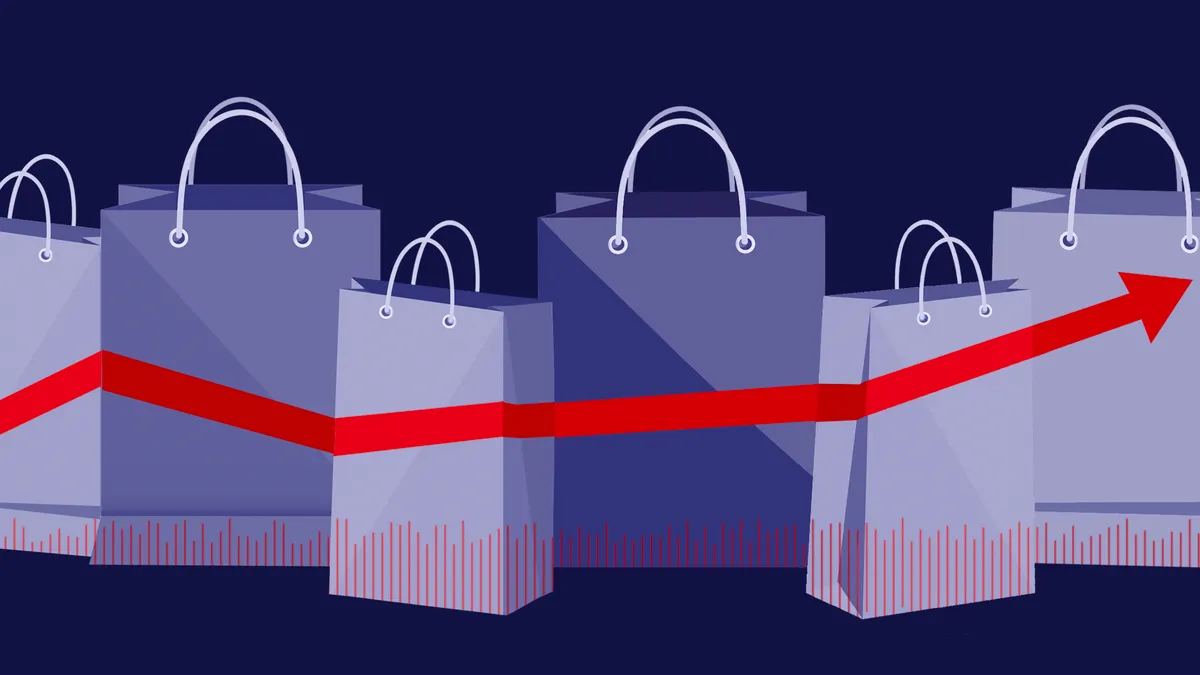
- In the U.S., e-commerce sales will reach $1.8 trillion by 2030, according to a new report from Forrester.
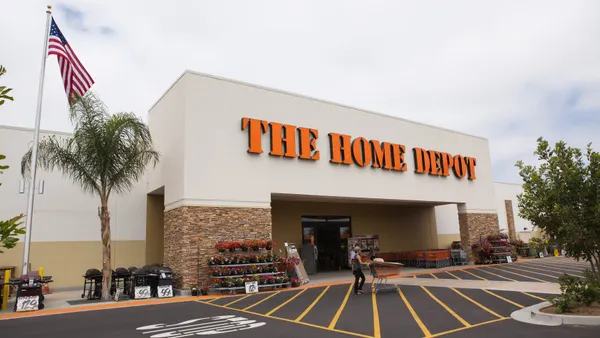
- Though U.S. e-commerce sales will comprise 29% of all retail sales, the remaining 71%, about $4.4 trillion, will come from stores, according to Forrester’s projections.
- With the exception of automotive and gas sales, total retail sales in the U.S. are forecast to grow from $5.2 trillion in 2025 to $6.2 trillion by 2030.
Dive Insight:
Forrester attributes e-commerce sales growth to several trends, including more Gen Zers entering the workforce, improvements in logistics and order fulfillment, and the rise of agentic commerce. However, consumers will continue to shop in stores, because physical retail offers tangible experiences, in-person comparison shopping, social interaction and personalized assistance, the report said.
Though online shopping is on the rise, brick-and-mortar stores have become critical not only for transactions, but also for creating unique in-person experiences and building loyalty. In the last 15 years, the value of in-store sales declined just once, in 2020 amid pandemic lockdowns, according to research last spring from Colliers.
Still, online shopping remains a key channel for retailers, particularly during the holiday season. Between Nov. 1 and Dec. 31 last year, U.S. consumers spent $257.8 billion online, up 6.8% year over year, according to Adobe Analytics. Furthermore, traffic directed to retailers via generative AI tools skyrocketed over 693% year over year, Adobe found.
While Forrester projects that physical stores will continue to dominate retail, other research finds that the share of people who shop online every day has dropped from 21% to 9%, according to a recent Salsify survey.