It’s been another week with far more retail news than there is time in the day. Below, we break down some things you may have missed during the week, and what we’re still thinking about.
From the history of Gap’s name to Build-A-Bear’s latest foray, here’s our closeout for the week.
What you may have missed
Psycho Bunny names vice president of stores
As it continues to invest in its retail expansion and store experience, apparel brand Psycho Bunny has appointed Kevin Ramstack as vice president of stores, according to an announcement emailed to Retail Dive.
Ramstack comes with more than two decades of experience across store operations, digital and cross functional business strategy. He most recently served as Club Monaco’s vice president of commercial, and prior to that, spent more than 15 years at Abercrombie & Fitch.
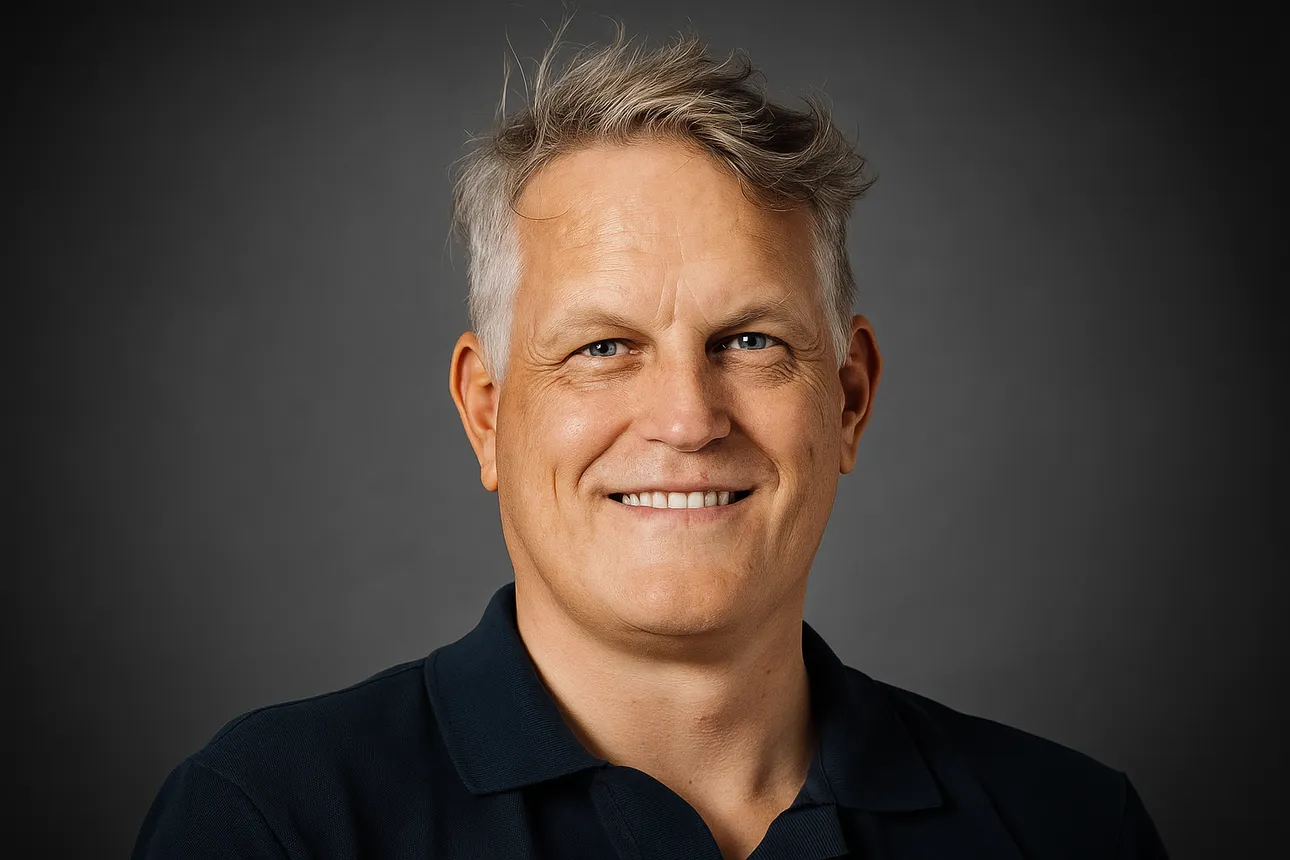
“Kevin’s depth of experience across both stores and digital, along with his ability to lead teams through periods of growth and change, makes him a strong addition to our leadership team,” Alen Brandman, owner and chairman of Psycho Bunny, said in a statement. “As we continue to expand our retail presence, his leadership will be critical in strengthening our field organization and delivering a best-in-class in-store experience.”
In his new role, Ramstack will focus on driving performance, strengthening field leadership and enhancing the customer experience across the brand’s retail operations.
Carry it around with your bear hands

Build-A-Bear Workshop launched Slushie Plushies, its first wearable plush, the company said in a Thursday announcement. Slushie Plushies can be customized in stores or online with a matching scent and the option for a recorded sound. The products come with hidden clips that can be attached to an optional crossbody strap, which is sold separately.
"We're seeing a real shift in how our guests engage with plush; it's no longer just something you own, it's something you style and show off," Chief Brand Officer Kim Utlaut said in a statement. "Slushie Plushies tap into that, introducing a wearable format that brings plush into the world of personal style."
The company also announced products within its Summer Stuff You Love collection, including Mashimals, a line that crosses animals with “unexpected objects,” and a pre-stuffed line called Beary Goods.
Retail therapy
Was this Doris Fisher’s most important contribution to Gap Inc.?
A rose by any other name may well smell as sweet. But would it have the same vibes?
Let's consider Gap, a once-iconic brand now in the midst of a dramatic comeback. The brand was founded in 1969 by Don and Doris Fisher and named after “the generation gap” – shorthand for the era’s vast cultural chasm between the old and the young.
Rhymes with “snap.” Evokes a space fillable in all kinds of ways. Conjures a bridge, universal symbol of connection and progress. Easy to pronounce in several languages.
“G, that’s for getting it. A, for always. P – that’s for power and the people that praise,” LL Cool J rapped in his 1999 Gap ad. “Backwards: P for popular. A for attitude. G, get it going, daddy, Gap is on the move.”
This simplicity and versatility doesn’t exist in “Pants and Discs,” which is what Don Fisher wanted to name the first Gap store. The location in San Francisco then sold only Levi’s, records and tapes. Luckily, Doris came up with “the Gap,” a Gap Inc. spokesperson told Retail Dive.
Doris Fisher died earlier this week at 94.
What we’re still thinking about
15%
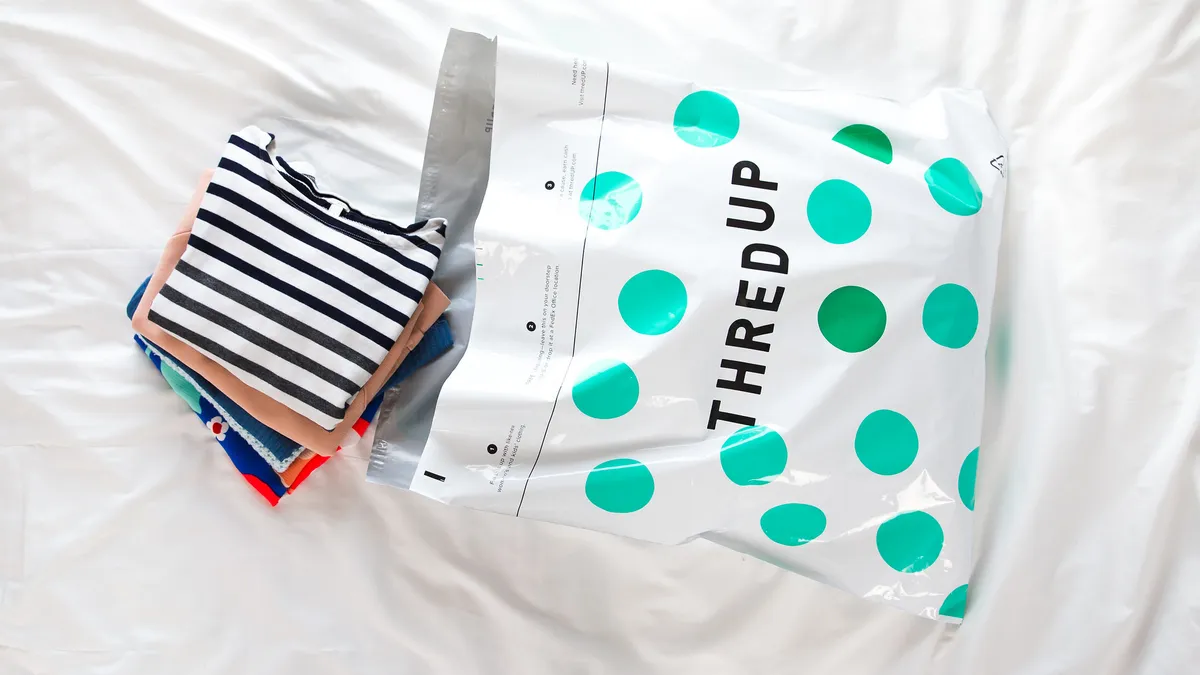
That’s how much ThredUp grew revenue in Q1, according to a Monday earnings report. The resale platform saw active buyers increase 25% to a record 1.7 million, while gross profit was also up 15% year over year. ThredUp is still operating at a loss, though, with net loss widening in the quarter to $6.5 million.
While CEO James Reinhart said March was the best month in company history, he also acknowledged uncertainty in the macroenvironment.
“Relative to prior quarters, we do see an incrementally discerning consumer as gas prices remain high and inflation proves to be sticky,” Reinhart said on a call with analysts. “We've observed this mainly through average selling prices and conversion rates being slightly lower since early March.”
What we’re watching
GameStop, eBay and the Ryan Cohen of it all
In retail, the only constant is Ryan Cohen’s ability to garner attention.
The CEO of GameStop — who gained success in co-founding Chewy — made a splash this week in an interview on CNBC’s “Squawk Box” regarding his bullish, unsolicited bid to acquire eBay.
When pressed by CNBC’s hosts about the specifics of Cohen's 50% cash and 50% stock proposal, the CEO sounded perplexed by the questions and referred the show hosts, repeatedly, to the GameStop website for details.
But the attention-grabbing CNBC interview on Monday was not the last time Cohen spoke about the eBay bid this week. On the TBPN podcast Tuesday, Cohen alleged he tried to reach out to eBay within the last couple of years in an attempt to discuss a potential partnership, but said he struggled to get anyone to engage with him seriously.
Additionally, the executive posted on X — formerly Twitter — on Wednesday about items he was selling on his own eBay account to help “pay for eBay.” Items listed on the account he linked to include a pair of socks, a painting of his dog Tylee, GameStop memorabilia and more.
Cohen also posted a screenshot of a notice from eBay saying his account has been permanently suspended, though his account appeared active at the time of publish.
EBay did not immediately respond to Retail Dive’s questions about the alleged suspension or Cohen’s remark about prior outreach.
Putting aside the dramatics, the devil is in the details of the deal.
GameStop proposed a $56 billion acquisition of eBay. The retailer’s current bid would consist of about $9.4 billion of its own cash and liquid investments, in addition to potentially $20 billion of financing through TD Securities. GameStop’s market cap is hovering around $11 billion, and any issuance of more shares could be dilutive to the retailer’s current shareholders, host Melissa Lee noted on the CNBC interview.
Cohen’s perspective is that GameStop has the retail network and authentication capabilities to help improve eBay’s services in order to create a collectibles powerhouse.
But not every industry analyst is as upbeat on the specifics. There remains a “monetary black hole” in the financing of the proposal, GlobalData Managing Director Neil Saunders said in emailed comments on Monday.
“Unfortunately, the boldness of the bid is not matched by the strength of the logic that seems to be underpinning it, nor by the soundness of the financial basis on which the transaction is predicated,” Saunders said. “A transaction of this size and risk needs to be underpinned by watertight reasoning. While we accept that GameStop is early in this process and may further refine its thinking, it currently isn’t anywhere near compelling enough to make this a sound deal.”