After a slew of department stores shuttered last year, including the liquidation of Canadian icon Hudson Bay, more are set to close in 2026 — and probably every year for years to come.
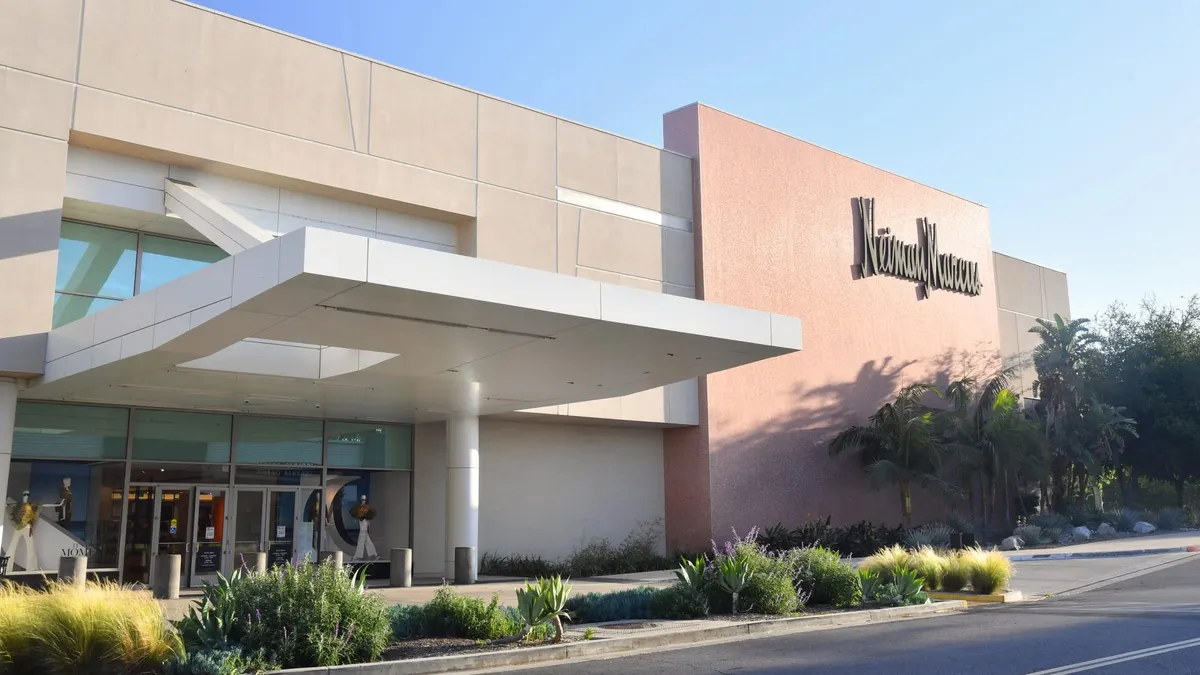
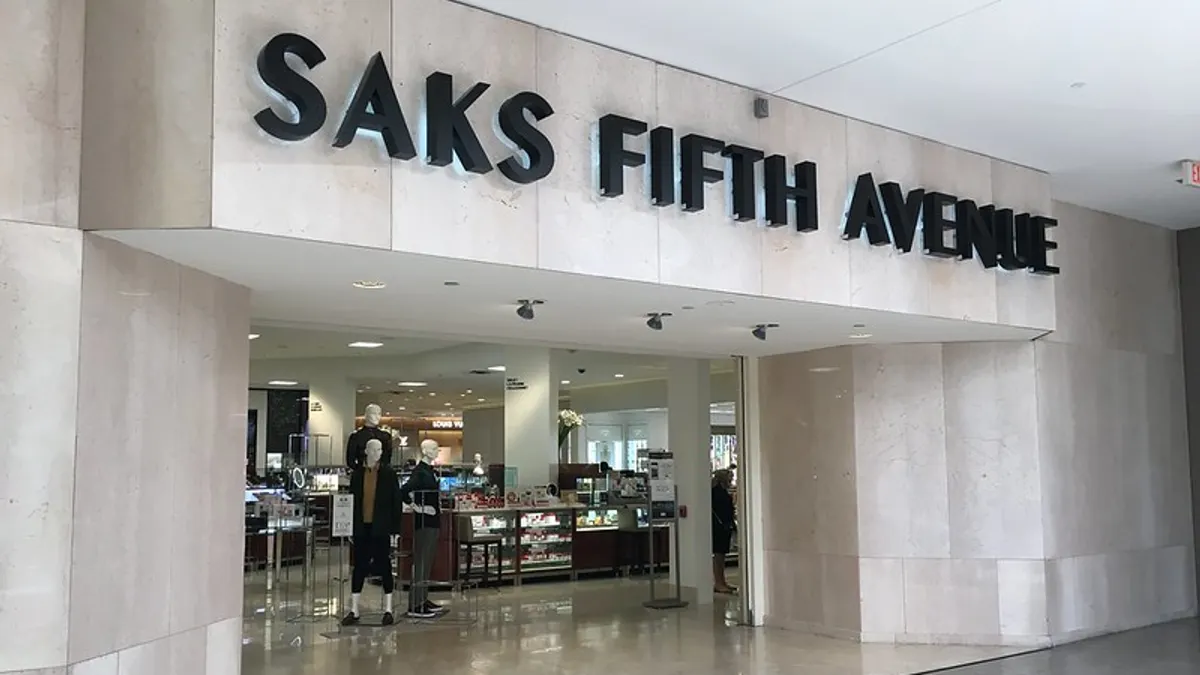
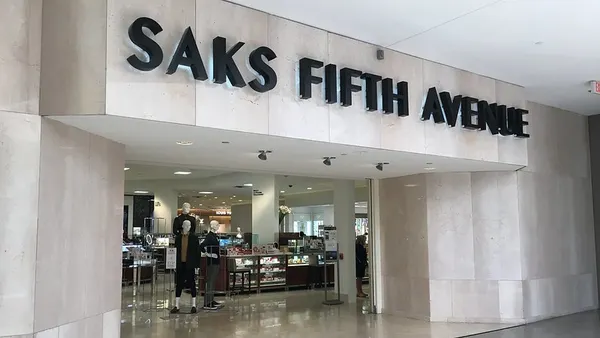
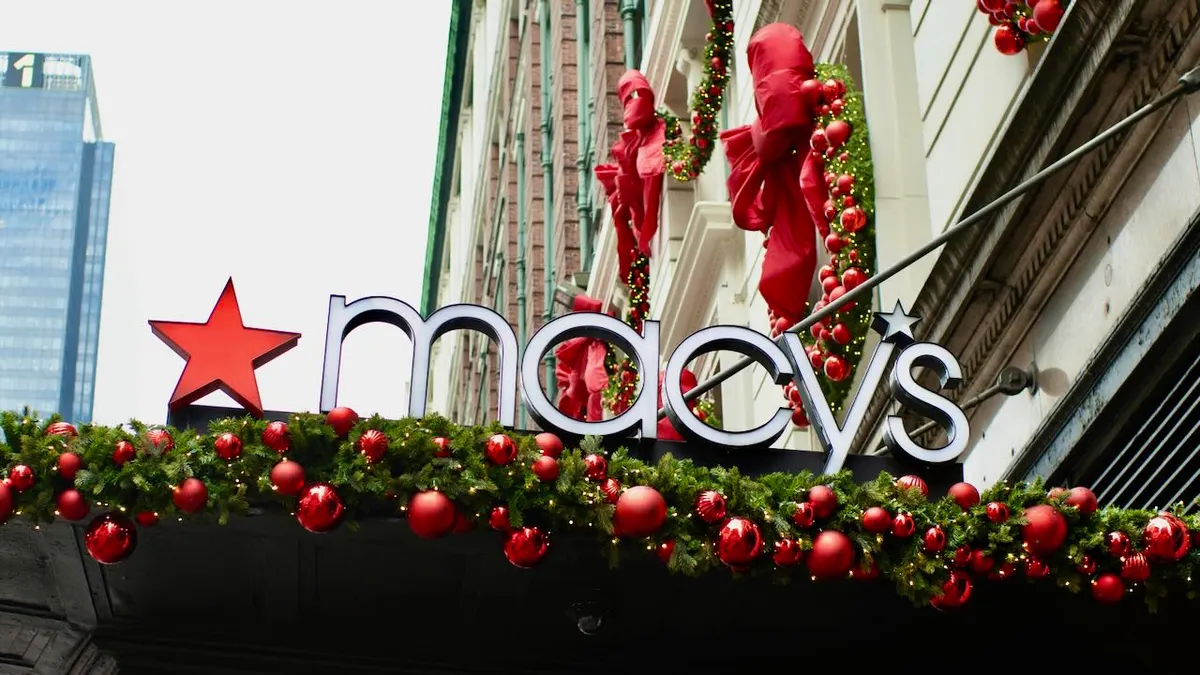
In mid-January Saks Global, which includes luxury players Saks Fifth Avenue, Neiman Marcus and Bergdorf Goodman, filed for bankruptcy, and observers expect several Saks and Neiman locations to shutter. Macy’s identified the most recent 14 stores set to close under a downsizing strategy that will ultimately mean the end of 150 locations. Even Dillard’s closed a store this month.
Mall anchor vacancies — by and large department stores — are likely to tick up over the near term as a result, according to Green Street’s most recent annual review of more than 1,000 publicly and privately held malls. In the last 15 years, the “demise of the department store business model” contributed to at least 175 mall closures and struggles at other malls, per Green Street’s report.
“But department stores closures have been muted since 2020 as most locations remain profitable on a four-wall basis despite flat to declining sales in recent years,” Green Street Managing Director Vince Tibone, who leads U.S. industrial and mall research, said by email. The firm doesn’t expect that to change, absent a recession.
Indeed, there’s more hope for the department store model today than there has been for a while, some analysts say.
“I think they're still swimming upstream — there are a lot of challenges that need to be addressed. But the point is that they are addressing them now,” GlobalData Managing Director Neil Saunders said by phone. “There are still problems with department stores, and I think the sector is going to continue to shrink over the next few years, so we haven't seen the end of the decline of department stores. But the hope is that we're starting to see a leveling off and a new sort of space emerging in which they can operate quite comfortably.”
Comfortable or not, these players rake in plenty of revenue. Even those with slumping sales notched billions in their most recently reported quarters, including Saks Global ($1.6 billion), J.C. Penney ($1.4 billion) and Kohl’s ($3.4 billion). In Q3, with at least comp growth, Macy’s Inc. net sales reached $4.7 billion and Dillard’s reached $1.4 billion. Nordstrom, which went private last year, saw $4.2 billion in net sales in Q4, its most recently reported quarter.
And this topline is the only real measure of the size of a business, notes Simeon Siegel, senior managing director at Guggenheim.
“There are many measures of how healthy or sick a business is, but revenues are the only measure of how big it is. Not what you feel about it or whether it has more Instagram likes,” he said by phone. “Department stores are believed to be dying businesses, but every year they start from zero and generate tens of billions of dollars in revenue. It's not to say they're healthy, but no one can call them dead, because they convince people to open up their wallet and — whether they walk into the store, click online, whatever — they convince them to shop from them.”
State of play
A downtown-uptown trek in Manhattan reveals that New York City, once home to dozens of department store names, is down to barely more than a handful — a scenario that has played out across the country over several years.
The segment has shrunk to the point where it’s becoming useful to assess each player and not just the model as a whole, according to Amanda O’Neill, director of U.S. retail at S&P Global Ratings.
The differences are myriad, though performance doesn’t seem tied to whether a department store caters to higher-income or lower-income customers. Saks Global is not only in bankruptcy court but also is still contending with a backlog of unpaid invoices that has decimated its relationship with a lot of its vendors; the company’s stores have watched suppliers, employees and customers head to Bloomingdale’s and Nordstrom.
Nordstrom is “family-owned again and seems to be reviving its flagship stores, with back-to-basics merchandising and operations,” Nick Egelanian, president of retail development firm SiteWorks, said by email. “But even if these trends continue, it will only survive (assuming it continues to improve) as a smaller chain.”
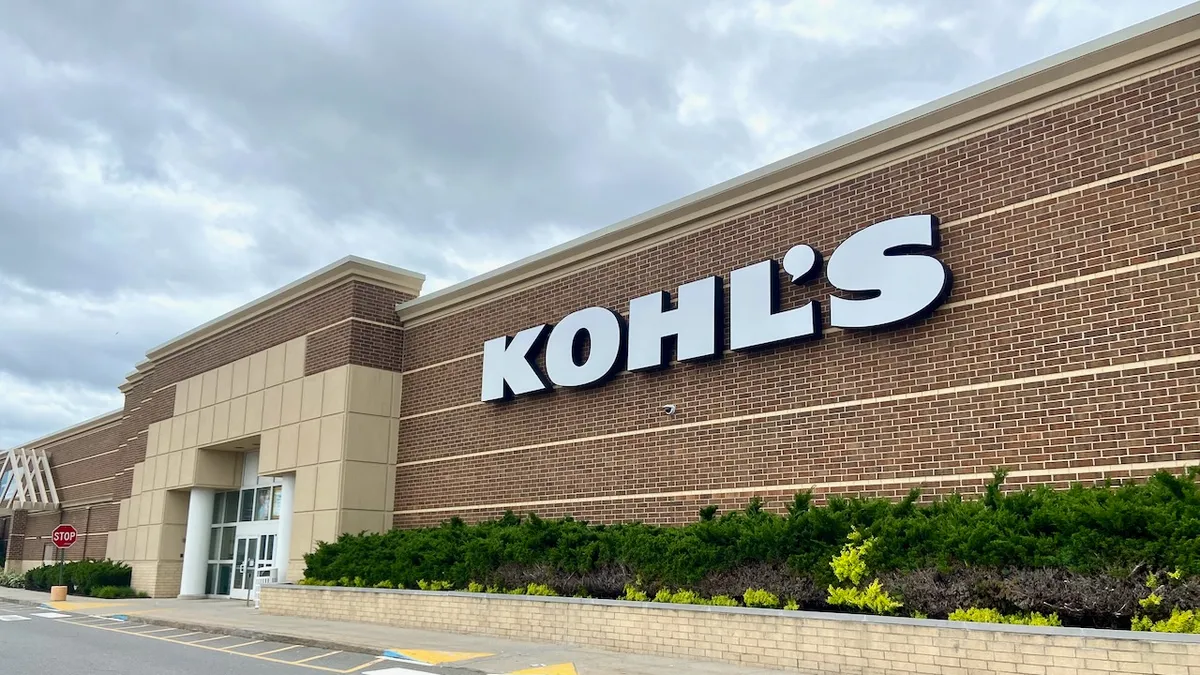
J.C. Penney and Kohl’s haven’t announced major downsizing plans, though Egelanian and others believe that’s coming, as they’re both struggling; Egelanian calls Belk a “laggard” that is destined to close down entirely.
“Macy’s, which has been mismanaged for decades as the industry changed, is starting to finally make some positive moves,” Egelanian said, crediting Macy’s Inc. CEO Tony Spring, who previously led Bloomingdale’s. “While its bridal store and smaller format stores are largely irrelevant, they have made good recent progress with their core flagship Macy’s and Bloomingdale’s stores.”
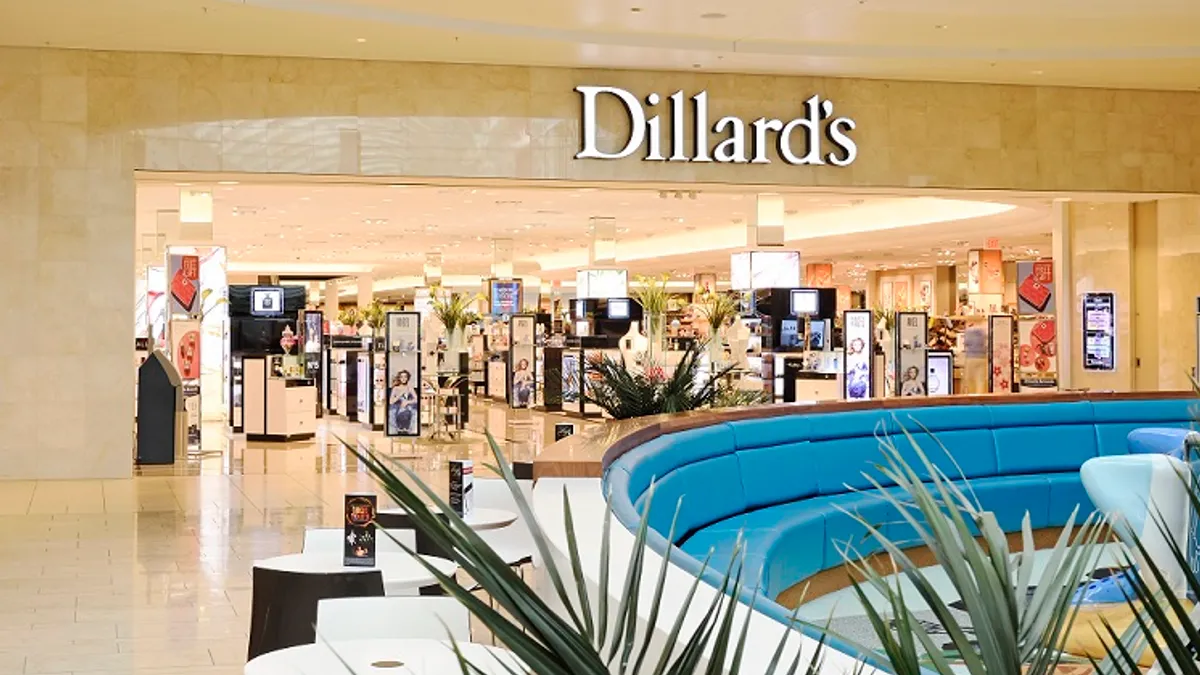
“But Dillard’s is by far the best run and most relevant (and successful) fashion department store operating today,” he said. The regional department store remains family run and is focused on its stores, customers and merchandising, and has managed its real estate portfolio well as it downsized its fleet.
This divergence of performance among department stores is why it’s most useful to assess individual companies and their strategies and how successful they are at executing them, S&P’s O’Neill said by video conference.
“We saw bright spots this last year with Macy's turning comp-sale positive, that their go-forward stores are doing well and some of their initiatives are paying off,” O’Neill said. “Whereas on the other side you have Kohl's, who has been underperforming on their strategy. So it's not just the department store story, it's really the strategies that each of them has and where they are in that cycle.”
The new wholesale
The retreat of department stores from the U.S. landscape doesn’t mean that third-party retail is dead, but it has changed. And some of the retailers rising to the challenge aren’t department stores.
As Saks Global has realized, the days of retailers calling the shots with vendors are over, including when it comes to markdowns and merchandising, according to Jessica Ramírez, co-founder and managing director of The Consumer Collective. Vendors increasingly expect a 50/50 partnership and a win/win setup from retailers that sell their brand, she said.
“There has been a shift in what wholesale means, and there are new players in wholesale,” she said by phone. “The department stores that are waking up to that and working towards better relationships with brands could benefit. The ones that stay in a very old-school mentality will suffer from not having the right mix, not having the right brands and not speaking to the consumer the right way.”
Ramírez said that Anthropologie, Dick’s Sporting Goods and off-price stores have become excellent retail partners for a variety of brands. She and Egelanian both point to Dick’s as growing indispensable to the malls they increasingly anchor. Like department stores today, Dick’s is “primarily an apparel store and is producing somewhere around $40 million in sales per unit — which is both profitable and accretive to the malls it operates in,” Egelanian said.
Still, despite the closing stores, loss of market share and, at some companies, difficulty in keeping up with the times, department stores won’t disappear, Saunders said.
“Some people have a view that they will. I don't think that's true. They still have a place and a role,” he said. “It's really a question of what the level of sales and revenue looks like for the department store group. I think it has room to shrink further, but I still think in 10 years time, there will be department stores. They'll still account for quite a large chunk of sales, and they'll still be a format that consumers use.”