Dive Brief:
- As revenues continue to decline across the board, Under Armour is eyeing a revamp of its stores business, which includes creating showrooms in major cities to display Under Armour’s strongest products, refining the performance assortment in full-price stores and adding more full-price products to its outlet locations.
- In order to cut costs, Under Armour is also testing a more “asset-light” model by transitioning its youth sports category into a licensed business. Centric Brands will run that segment for Under Armour by fall of 2027, Under Armour CEO Kevin Plank said on an earnings call Friday.
- The move is aimed at cutting costs and allowing Under Armour to focus its resources on developing the company’s brand and marketing initiatives. As part of the latter effort, Under Armour is rolling out a “this is your armour” global brand platform.
Dive Insight:
While Under Armour highlighted that it met expectations in Q2, revenue was still down 7% overall to $1.2 billion. Sales decreases spanned DTC and wholesale, and every region except for Latin America.
All three product categories — apparel, accessories and footwear — declined as well, and the retailer posted a net loss of $425,000.
In light of these challenges, Under Armour is doubling down on a simplified product assortment, planning to decrease its number of SKUs by another 25% after just completing a reduction of that size in May. The plan is to sell fewer products, but sell more of them at full price. Plank hopes this will also be bolstered by updates to its store footprint, like introducing outlet shoppers to more full-price products.
Paired with that, the retailer is focused on producing fewer, larger marketing campaigns. Plank said Friday Under Armour would release one major product story each month, adding that marketing is the brand’s largest opportunity.
“We have what we need — we’ve got leadership, we’ve got budget and we absolutely have desire — but frankly, as we’ve found, just putting things out there and putting an Under Armour logo don’t do it,” Plank said. “A shirt or a shoe without a story is just a shirt or a shoe. The riches we have from innovation — I don’t think there’s another brand that is close — we just need to make sure that people actually see that.”
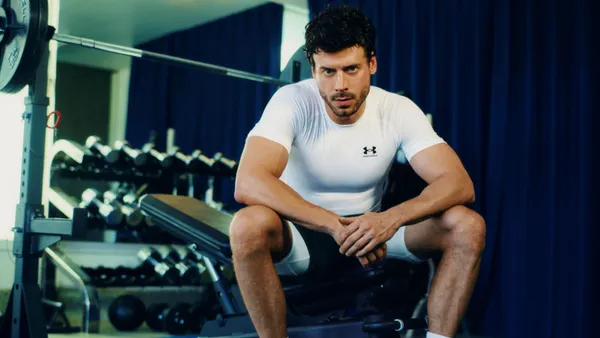
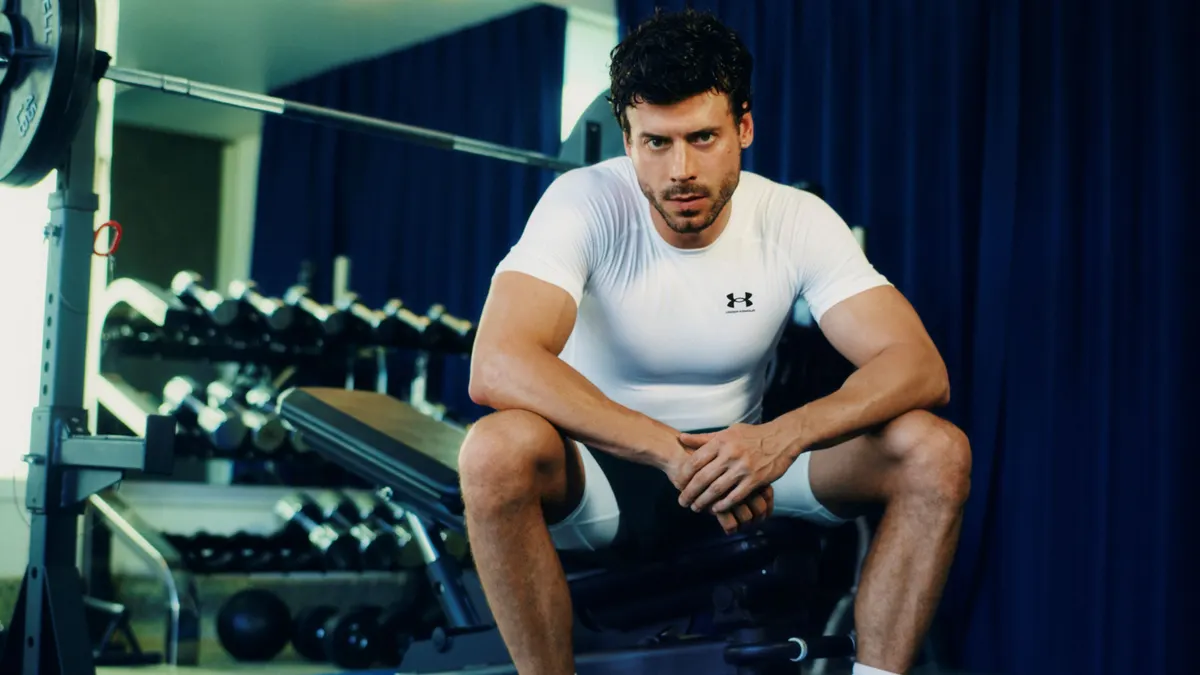
Already this year, the company has released a few high-profile marketing campaigns, including one featuring “Heated Rivalry” star François Arnaud and another debuting its Bouncy Tee with K-pop band BoyNextDoor.
Analysts are largely waiting in the wings on the turnaround strategy, with Telsey Advisory Group saying in emailed comments that Under Armour has done a good job managing costs but “we have yet to see meaningful signs that Under Armour's products are resonating and the company's revenues can inflect back to growth.”
GlobalData Managing Director Neil Saunders was more scathing, calling the company’s results “another chronic underperformance” and highlighting that Under Armour has lost more than one-fifth of its quarterly revenue over three years. While some of these declines are due to deliberate actions like cutting back on promotions and SKU reductions, they also point to larger problems with brand relevance.
“The fact here is that Under Armour is not simply going through a temporary period of softness, but has a much more fundamental problem with its relevance to consumers,” Saunders wrote in emailed comments. “This issue shows up in third-party stores. Even strong retailers, like Dick’s, really struggle to make Under Armour sections look compelling. Assortments come across as fairly random and disconnected, and too many products unsuccessfully straddle the line between being fashionable and being technically functional.”