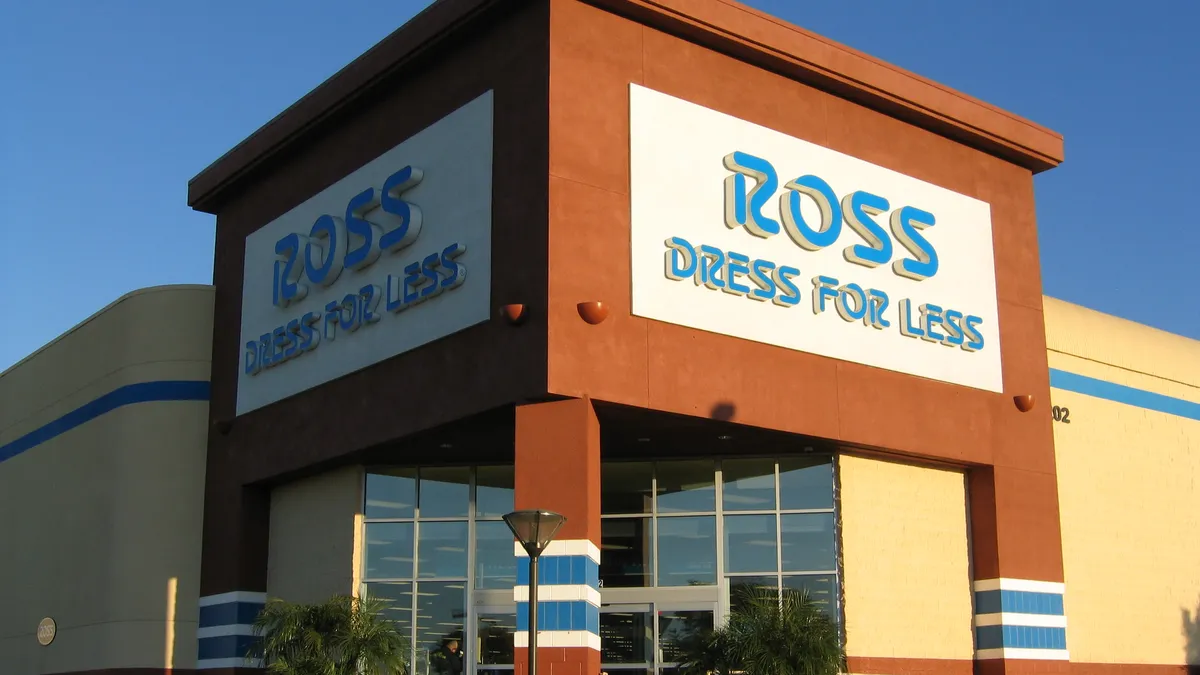
Ross Stores announced the opening of 47 new stores during the months of June and July. The openings consist of 35 Ross Dress for Less and 12 DD’s Discounts locations.
The discount retailer is on track to launch around 110 stores in 2026, resulting in around 5% unit growth.
"Building on the strong new store performance in 2025 and the spring openings this year, we are excited to grow Ross Dress for Less' store base in Puerto Rico, New York, and Michigan while also continuing to deepen our presence in key Sunbelt states,” Richard Lietz, executive vice president of property development, said in a statement. “For DD's, we are also pleased to expand within our existing markets in California, Florida, North Carolina, and Texas."
The company is “the best shape we’ve been in, in terms of getting leases,” Group President and COO Michael Hartshorn said on an earnings call to analysts in May. The forecast into next year is to maintain 5% unit growth.
Only around 20% of the company’s new store growth is in newer markets, per Hartshorn.
Ross has also been undergoing a refresh on all stores, focused on new perimeter signing and wayfinding and cosmetics repairs. About half of the locations were addressed last year, and the company decided to pause on the effort. The hiatus is so the retailer can see if there are additional changes to implement with the final half of locations.
In the first quarter, Ross reported sales were up 21% year over year to $6 billion, with comparable store sales increasing 17%. Net income was up nearly 36% for the quarter at $650 million.
CEO Jim Conroy referred to the quarter as “outstanding,” with customer traffic as the primary driver of sales.
"Looking ahead, we see attractive opportunities as off‑price continues to grow, and we are well positioned to capitalize on them," Leitz said.
Off-price retailers have been taking market share from mainstream retailers for some time, most notably from the department store sector.
In a spring report, Moody’s Ratings said global retail and apparel sectors had a negative outlook due to high prices, cautious consumers and a sluggish U.S. labor market. However, inflation was driving consumers to dollar stores and off-pricers, including Ross, TJX and Burlington.