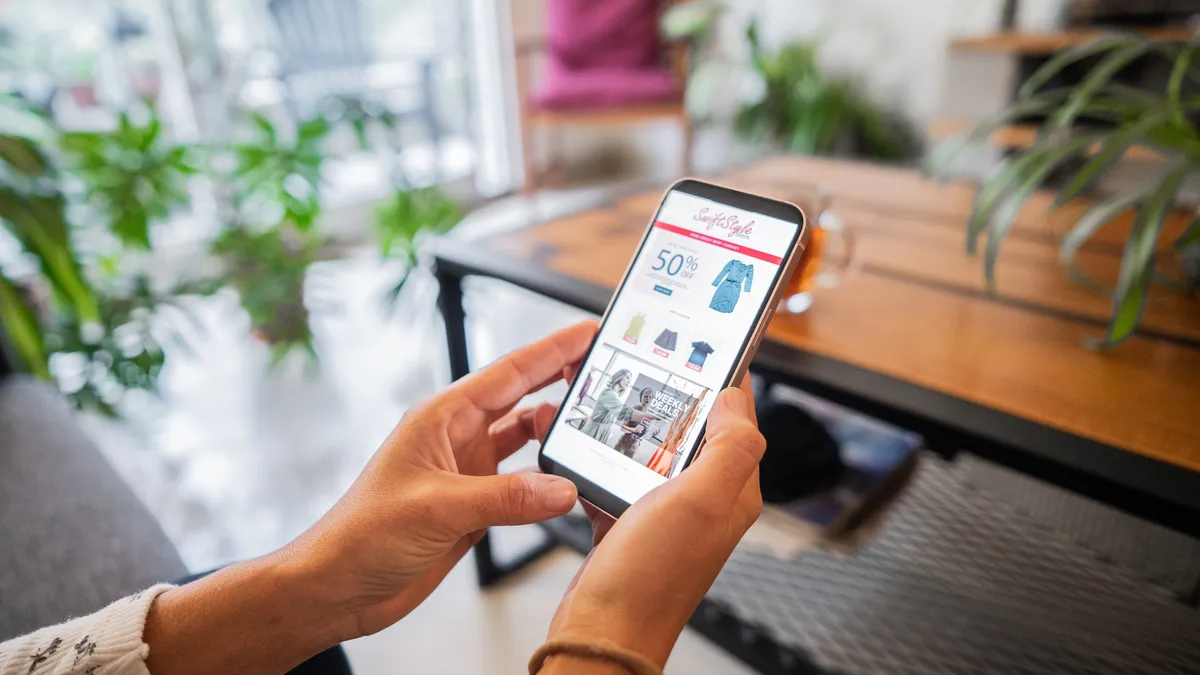
Amazon’s big summer sale is poised to jumpstart the back-to-school shopping season and spur $26.3 billion in e-commerce sales in the U.S. alone — 9% more than last year — according to estimates from Adobe released Monday.
If the e-commerce giant moved up its sale to avoid competition, that may not have worked. As has become custom, rivals are staging competing sales, and consumers plan to shop them, or at least compare prices, according to Numerator. More than 60% of shoppers will look at Walmart and more than 40% at Target, with others also checking out Costco, Best Buy and Temu. Etsy is throwing some shade toward Amazon founder Jeff Bezos with a campaign enlisting sellers who are named Jeff but are not billionaires.
When it comes to apparel, though, Amazon has become a juggernaut, according to research from Wells Fargo analysts led by Ike Boruchow. Apparel and footwear gross merchandise value there has grown from $11 billion in 2015 to about $73 billion last year.
That makes Amazon the top seller of apparel and footwear in the U.S. by far, with its sales in the category expected to reach some $78 billion this year, Wells Fargo found. That’s more than 13% of all apparel sold in the U.S. and more than 44% of apparel sold online, they said. Walmart, number two in the space, sold about $33 billion last year, by contrast, they said.
As a result, Adobe expects people to leverage Prime Day, which starts Tuesday and runs for four days, for back to school, as well as for summer travel-related items and home purchases. Earlier back-to-school spending could boost sales of children’s clothing and backpacks and Adobe expects strong growth in sales of luggage, car seats and portable chargers.
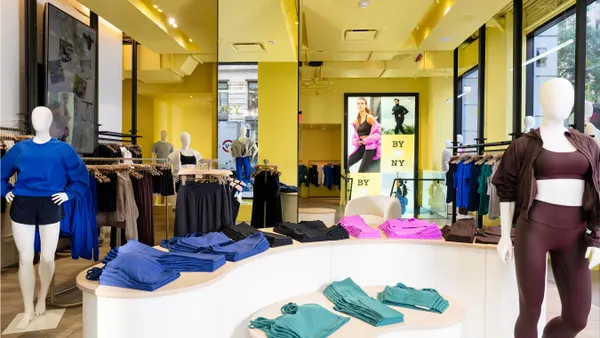
Brick-and-mortar stores that hold sales during this time should also capture some of the attention, as people won’t just be shopping online for deals related to Prime Day, according to Placer.ai. Consumers curtailed trips to stores when the price of gas skyrocketed, but that began to recover in April and into May, Placer.ai found.
If anything, rising prices could send people shopping, as nearly half say inflation will make them more likely to shop on Prime Day, while only 20% said it would make them less likely to shop the sale, Numerator found. Still, for those not interested in the sale, 40% say they don’t need to make a purchase right now, nearly that many say they’re not a Prime member, and nearly a quarter say Prime deals aren’t worth it, per Numerator.
Still, some purchases will be moved up to take advantage of the sales events as summer starts. These are red-letter days that rival holiday sales in November and December, according to a statement from Vivek Pandya, lead analyst, Adobe Digital Insights.
“Consumers have been conditioned to wait for big promotional periods, to hit the buy button on purchases such as apparel, refrigerators, and vacuum cleaners,” he said.