
Customer loyalty programs have become a strategic priority rather than a marketing nice-to-have. As acquisition costs rise and consumers become more selective about where they spend, brands are under growing pressure to extract more value from existing customer relationships — without relying on margin-eroding discounts.
In the US, loyalty participation is already near saturation: Forrester reports that 90% of online adults belong to at least one loyalty programme. Yet high membership hasn’t translated into high impact. Too many programmes are “loyalty in name only” — static points systems that customers forget about and internal teams struggle to evolve.
Over the past year, we at Talon.One have seen a wave of brands revisit their approach. Some have relaunched programmes entirely; others have modernised how loyalty connects to promotions and communications.
This shift reflects a broader change in mindset. Loyalty is no longer viewed as a background system, but as a strategic growth engine. Research Talon.One conducted with Harvard Business Review found that 66% of enterprise brands plan to improve the profitability of their loyalty programmes in the year ahead.
In 2026, three loyalty trends stand out — and all point to the same goal: make every interaction count.
Loyalty and promotions finally converge
Customers don’t distinguish between loyalty and promotions — they simply experience value. Internally, however, many organisations still run these efforts in silos, leading to over-discounting, inconsistent experiences and incentives that reward customers who would have purchased anyway.
In 2026, more brands will adopt a holistic incentives marketing approach, uniting loyalty program management and personalized promotions into a single strategy. This allows teams to use incentives with greater precision — rewarding specific behaviours, at specific moments, without defaulting to blanket discounts.
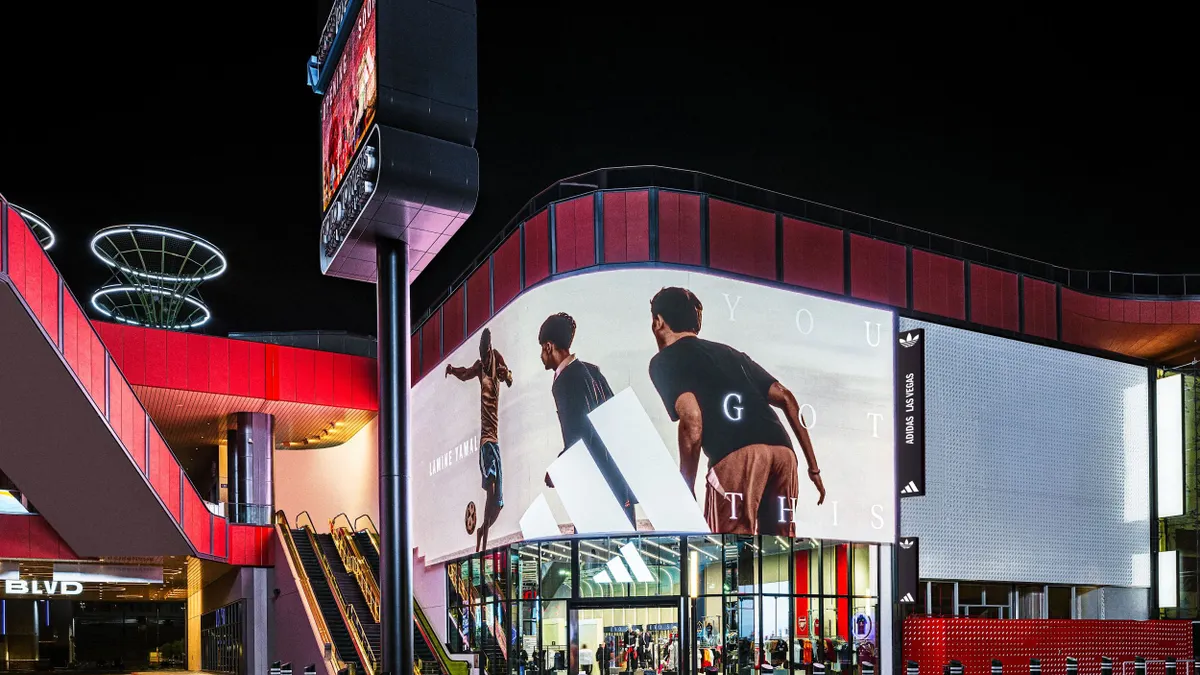
Brands such as Sephora, Adidas and ASOS have already demonstrated this by “firewalling” discounts behind loyalty programmes, turning incentives into a deliberate value exchange rather than a margin drain. Our research shows 60% of enterprise brands plan to strengthen this integration in the year ahead — a clear signal that siloed incentives are on the way out.
Loyalty shifts from points to experiences
If loyalty is going to stand out in a crowded market, it can’t feel transactional. A programme that only tracks spend will struggle to build emotional connection — or even stay top of mind.
That’s why the next evolution of loyalty is focused on experiences, not just points. Brands are investing in loyalty that feels dynamic, surprising and brand-led — programmes that live in culture, not just commerce.
Gamification will play a role here, but only when it’s purposeful. The strongest examples, such as McDonald’s Monopoly or Sephora’s Beauty Insider Challenges, are successful because they’re authentic to the brand and designed to deepen relationships, not just drive a single purchase. Increasingly, brands will reward a broader spectrum of behaviour — from engagement to advocacy — turning loyalty into a true relationship engine.
Relevance replaces volume in customer communications
The days of relying on mass promotional emails are numbered. With average click-through rates around 2%, marketers are recognising that frequency does not equal value.
In 2026, brands will move away from treating newsletters and blanket offers as retention strategies on their own. Instead, the focus will shift to relevance — ensuring each message, incentive and touchpoint has a clear purpose and delivers real value to the customer.
When loyalty, promotions and CRM work together, brands can communicate less — but far more effectively.
Read more about the top loyalty trends for 2026 in our report.