Dive Brief:
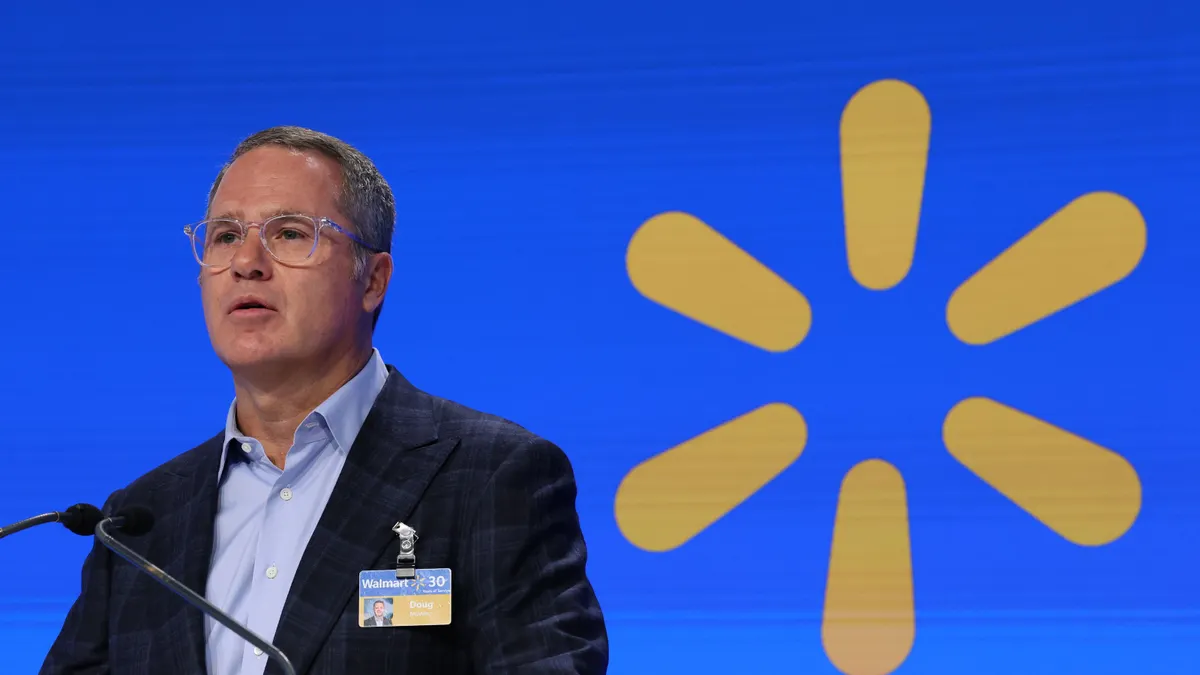
- After introducing digital shelf labels to about 2,300 U.S. locations, Walmart is expanding the technology to all of its locations within the next year, the retail giant announced Monday.
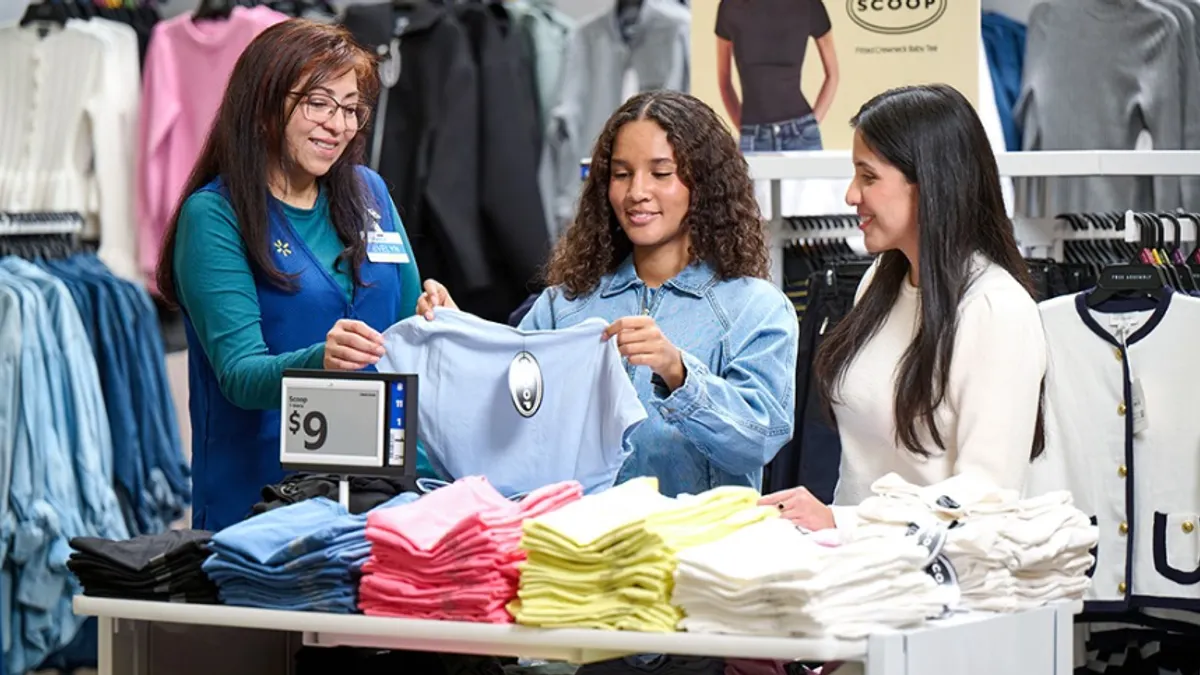
- The system allows the retailer to easily update product prices, reduce errors and eliminate the need for paper labels. The technology helps store staffers identify low-stock items and fulfill online orders quickly via a mobile app, which activates LED lights on the relevant shelf labels.
- The company will maintain the same price for all customers in any given store regardless of demand, time of day or which customers are shopping. The labels run on a closed system and don’t interact with shoppers or collect their data, the retailer said.
Dive Insight:
Walmart’s digital shelf labels are part of the retailer’s ongoing efforts to modernize its supply chain and order fulfillment operations.
After piloting the technology at its Grapevine, Texas, supercenter, Walmart in 2024 set out to install it at 2,300 locations by 2026. Last May, the retailer opened its first “Store of the Future” supercenter in the U.S., which featured digital shelf labels, an updated vision care center and a full-service fuel station.
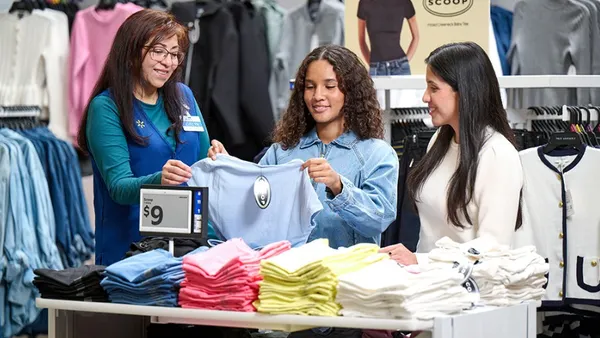
Without its paper labels, Walmart’s store associates will now have more time to assist customers. Outside of typical shopping hours, store associates will review and implement approved price changes, so the retailer can maintain consistent prices throughout the day, a move it hopes will earn customers’ trust, the release noted.
“Before [digital shelf labels], that meant walking up and down aisles swapping out paper tags by hand,” the company said in its announcement. “Now, associates manage planned price changes through a centralized Walmart system, making it easier to keep shelf prices accurate and aligned with what customers see at checkout.”
Digital shelf labels are helpful for retailers fulfilling grocery delivery app orders in stores as well. In 2024, Aldi, Gelson’s, and Hornbacher’s partnered with Instacart to integrate the delivery app’s pick-to-light system of its Carrot Tag software. The integration helps workers find items faster using flashing lights.
Along with its new labels, Walmart has deployed other tech tools to improve its inventory management, fulfillment and other supply chain functions. The retailer, for example, is using AI and other automation technology to identify and resolve problems “in real time without requiring constant manual intervention,” Indira Uppuluri, senior vice president of supply chain technology at Walmart, told sister publication Supply Chain Dive last October.
Walmart’s infrastructure investments will continue apace in the near future. Last month, Walmart president and CEO John Furner said during an earnings call that its supply chain investments will “probably peak this year and next year,”. Days later, the company’s business data applications arm, Walmart Data Ventures, debuted Scintilla In-Store, a store data aggregator for supplier field representatives.