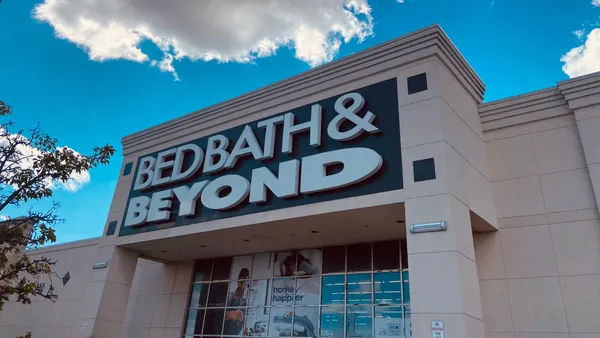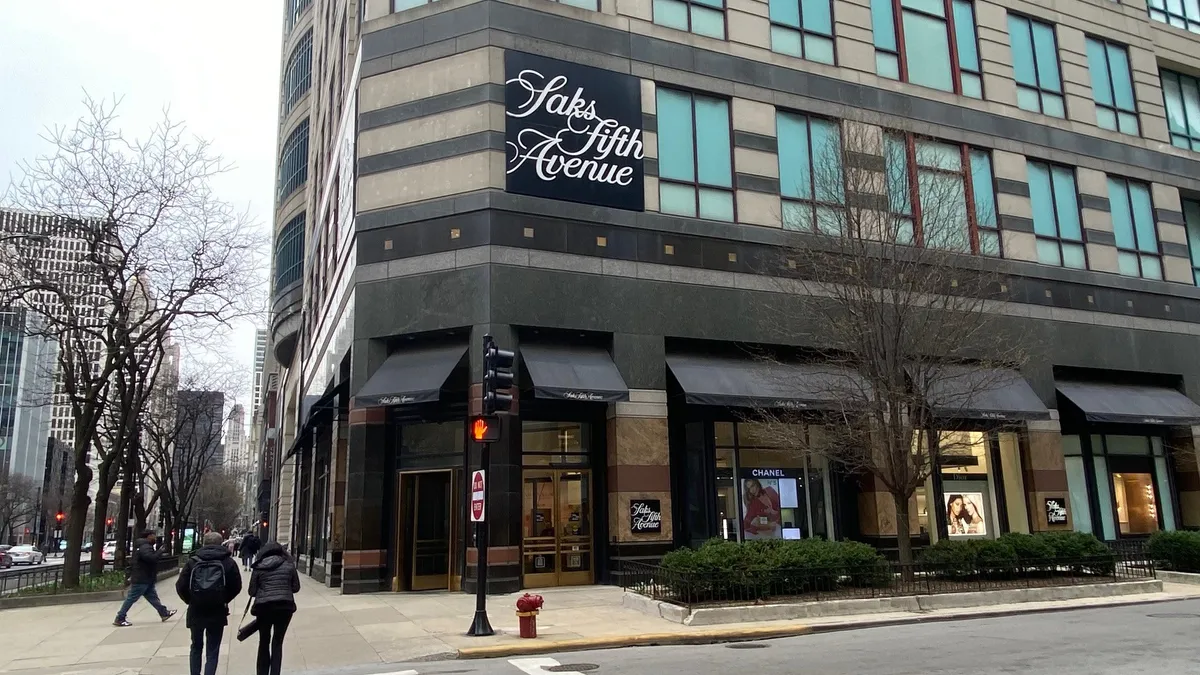
Saks Global’s bankruptcy filing last month triggered a clause in its agreement with Authentic Brands Group, bumping Authentic’s interest in the luxury company’s intellectual property — or aspects of it.
Authentic now owns a 77% interest in the entity that holds a perpetual master license to the IP of Saks Fifth Avenue, Neiman Marcus and Bergdorf Goodman, up from 51%, according to a source close to Authentic.
In an email, a Saks Global spokesperson provided the broad outlines of the situation, saying, “Saks Global wholly owns its intellectual property, including the IP of its luxury retail brands, and licenses a subset of those rights to Authentic Luxury Group (ALG).”
Neither Authentic nor Saks Global responded to questions regarding what specifically that subset entails.
ALG is a joint venture of Saks Global and Authentic, forged a couple of months before Saks Global acquired Neiman Marcus Group in a $2.7 billion transaction. At that time, the companies listed various brands, including Authentic-owned Barneys New York, Judith Leiber Couture, Hervé Léger and Vince, but not Saks Fifth Avenue, Neiman Marcus or Bergdorf Goodman. The latter three brands are now listed on Authentic’s website as part of its portfolio, a change from earlier in the month when they were listed in a separate section under the heading "Authentic Luxury Group Portfolio."
Simon Property Group also has the right to buy into the entity controlling the IP of Saks Fifth Avenue, Neiman Marcus and Bergdorf Goodman, CEO David Simon told analysts Monday. The real estate investment trust secured that when it invested $100 million in Saks Global to assist in the acquisition of Neiman Marcus Group in late 2024.
When it comes to control of the IP, the bankruptcy court may have to step in to settle what could be competing interests or disruptions to the Chapter 11 process, according to Daniel Gielchinsky, founding partner of DGIM Law and a bankruptcy attorney who is not a party to the proceedings. The court may also need to sort out what is subject to the master licensing agreement, he said by phone.
“Ultimately, you'll probably see a settlement, a resolution, because these are murky issues that take time to negotiate or for a court to resolve,” he said. “There’s a lot at stake.”
Simon Property Group is now writing off its investment as a loss, but David Simon said the perks that came with it were worth it. In addition to the opportunity around the Saks brand licensing, Simon won the right to terminate two leases and an end to reciprocal easement agreements at Simon malls with a Saks Fifth Avenue, Neiman Marcus or Saks Off 5th.
Simon has asked the bankruptcy court to recognize its termination of the leases, a Saks Off 5th location at Woodbury Common Premium Outlets in New York and a Neiman Marcus location at the Stanford Shopping Center in California, due to unpaid rent topping $7 million. Simon Property Group didn’t immediately respond to questions for this story.
Ending reciprocal easement agreements, known as REAs, could super-charge Simon’s plans to revamp its malls. REAs are common between department stores and the malls they anchor, and the longstanding clauses have hampered REITs’ ability to make changes to their properties.
“So at the end of the day, we felt like we made a good trade,” David Simon said, adding, “In my personal belief we're ahead of the game, but we went ahead and wrote off our investment.”