Despite a cloudy economic backdrop and pressure on consumers, retailers of all sorts posted surprisingly healthy gains in the first quarter. But in a few months, they may get a rude awakening.
“There were a lot of false positives that made first quarter look like we were up to a pretty good start,” Marshal Cohen, chief retail adviser at Circana, said by phone. “I'm amazed how few people have asked me about the comp story, because that's a very big one. A lot of retailers are up against some soft comps.”
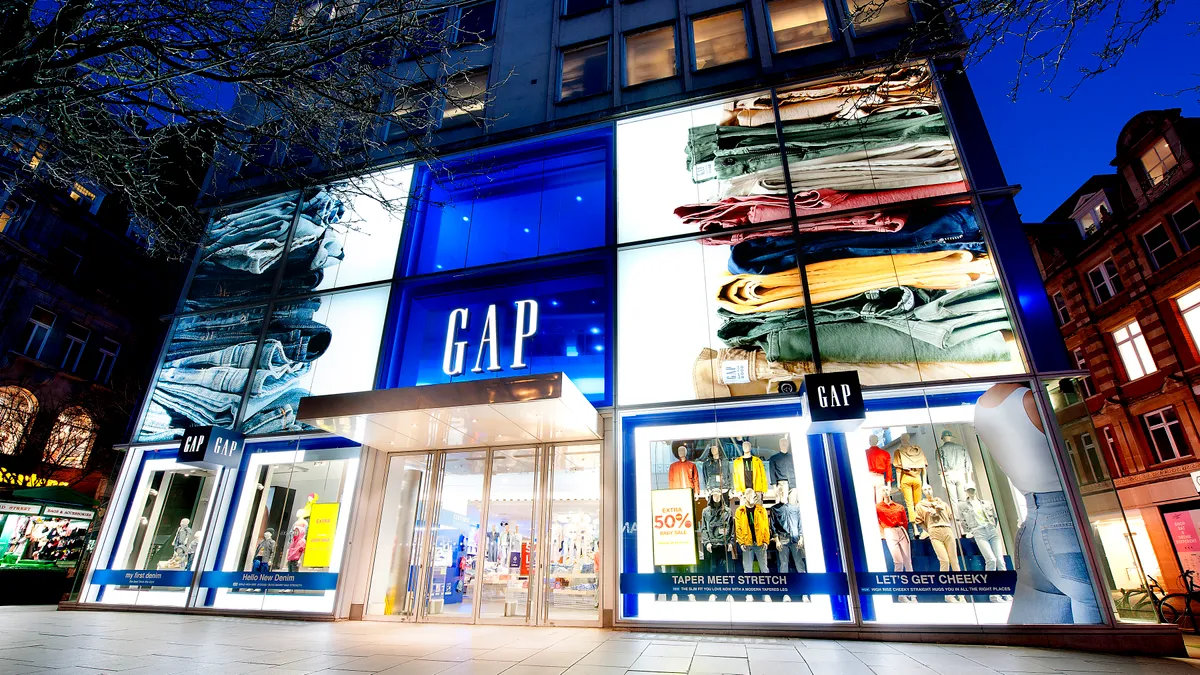
Retailers gave themselves a lot of credit for their Q1 results. Macy’s Inc. CEO Tony Spring told analysts that customers in the period “appreciated the assortments, marketing, and events that supported key holidays, including Valentine’s Day, Presidents Day and Easter.” Gap Inc. CEO Richard Dickson said that its namesake brand — which posted its 10th straight quarter of positive comps, with sales and comps both up 10% — “is clearly on a roll as an iconic American brand.”
“We see significant runway ahead as we continue to build momentum through great product, great storytelling, and of course, great execution,” he said.
Certainly a 10% year-on-year boost in the top line at any retailer “seems enormous,” but especially in Q1 this year, the context is important, according to Simeon Siegel, senior managing director at Guggenheim.
At many retailers, traffic trends didn't quite mirror top-line growth early this year
“I think you absolutely need to ask the question: ‘Are these companies benefiting from the circumstance of the market or are they benefiting from idiosyncratic actions they're actually taking?’” he said by phone. “Starting in Q3 last year, we started seeing revenues uptick dramatically. It seems like, by and large, that's due to the fact that tariffs led companies to raise prices. So when we have to lap that, we're going to find out who's swimming naked. We're going to find out who caught the benefit of the environment rather than actually effected their own strategic change.”
At the moment, the “circumstance of the market” is mostly shaped by tariffs. Upon taking office in his second term in January last year, President Trump wasted little time instituting a flood of new levies on imports. By April, the National Retail Federation was warning of a slowdown in GDP growth and kept its expectations for retail sales in check.
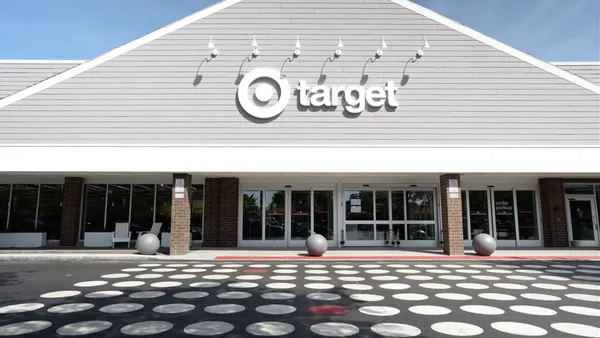
Retailers scrambled to amass inventory before tariffs kicked in and otherwise spent the year negotiating with suppliers to share the burden. Starting in Q1 and throughout last year, retailers including Best Buy, Gap Inc. Macy’s Inc., the three major U.S. off-price chains, Walmart, Target and others warned of tariff-related price hikes and margin pressures.
But in general, retailers didn’t actually raise prices until after the first quarter, in some cases not until the first half of the year, Cohen said. That means many won’t face tougher comparisons until Q3 or so.
Moreover, tariffs aren’t the only source of what Cohen calls false positives. Easter was on the early side this year, so most of that spending fell in Q1. And while the Iran war began at the end of February and spiked gas prices, it took a month for that to affect consumer spending, he said.
“The consumer didn't pull back, even though everybody was talking about higher prices because of gas,” he said. “So you had the tariff comp, you had the gas lag, you had a couple of snowstorms that altered some of the behavior, so, there were more reasons to think the consumer was doing better than they really were.”
Shoppers did begin to pull back in Q2 this year, especially in more discretionary categories. Even when they spent more on food or the same amount on consumer products, volume declined, according to Circana data. But it’s Q3 that is likely to unmask the full story at some retailers, according to Cohen and Siegel.
How healthy the revenue bumps really are depends on whether price or transactions are driving them, Siegel said.
Victoria’s Secret reported that Q1 net sales rose 15% thanks in part to full-price selling, with average prices up mid-single-digits compared to last year. Levi’s last week said full-price sales continued to be strong in Q2.
“Most retailers have been guiding to good-looking numbers,” Siegel said. “Most of them talked about better full-price sell-through. The question is going to be what the tariff price lift is, how long does that last? Do they start discounting in Q3, so we no longer get the price lift? And do we actually even go the other way?”
Back-to-school season may not contribute much to Q3, either, as that spending is more spread out these days and occurs later as the weather gets warmer, according to Cohen. Gas prices will still be weighing on back-to-school shoppers’ minds, “and the weather is playing even more of a role than gas prices,” he said.
“Back to school gets less and less important and potent,” he said, adding that consumers these days have more of a “buy now, wear now, use now mentality.”
All this could make Q4 more important than ever for retailers.
“Holiday has a way of masking some of the challenges,” Cohen said. “The resilience of the consumer always rises to the top. They'll find ways to save, but they won't spend that much less, if at all, so, I don't see holiday this year being a big dropoff. But third quarter is going to be very interesting.”