

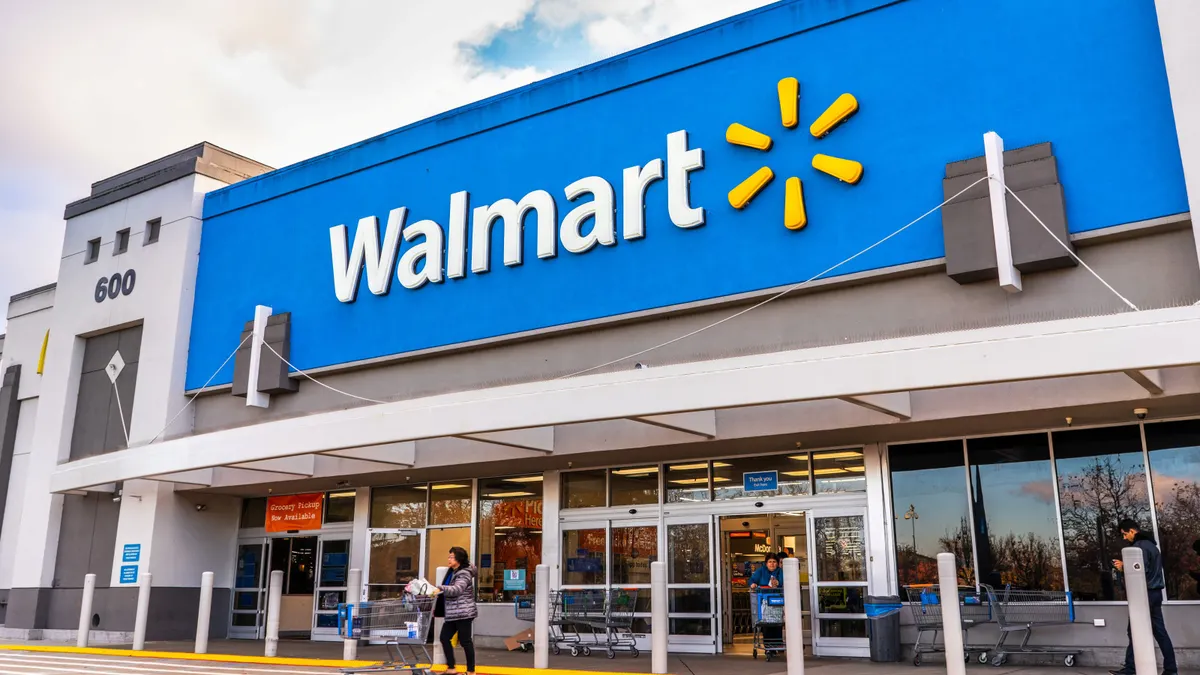
Amid a broader investigation, Walmart and Target received orders from the Federal Trade Commission to provide information for the government agency to study the use of personal data to set prices.
The orders — which were also sent to several airline companies, ride-sharing firms and food delivery entities — require the retailers to provide details to help assess if the “pricing for a ticket, ride share, food delivery or other product or service varies from one person to the next” based on analysis of personal data from artificial intelligence and more.
The 15-page order from the FTC also asks for details on how companies adjust or set compensation based on personal information. It also requested information on how prices can vary based on factors such as loyalty programs.
“We intend to scrutinize the opaque methodology that some companies in these industries may be using to determine how much consumers pay or how much gig workers are paid for the same product or service,” FTC Chairman Andrew Ferguson said in a statement from a Wednesday press release. “Consumers deserve to know whether companies use their web surfing habits or other personal data to estimate the highest price they can charge each consumer. Workers also deserve to know if their compensation is affected by how companies use their personal data.”
The order recipients have 45 days from the date they receive the orders to respond, and the FTC has the power to compel compliance in federal court if needed, per the announcement.
Walmart did not immediately respond to Retail Dive’s request for comment on the order to file a special report. The mass retailer over the past month has publicly defended itself against allegations of personalized pricing and concerns about how digital price tags on shelves may play a role.
Target directed Retail Dive to a fact sheet it published earlier this month, which states “Target does not use personal information to raise prices for guests based on who they are, where they live or when they shop.”
The same sheet also notes that Target prices can vary based on factors like local costs, pricing regulations and competition. It also states the Target Circle loyalty program “can use your shopping history to help surface deals and offers that are more relevant to you and that help you save — not to raise your price.”
The move comes after the FTC in August began seeking public comment on personalized pricing. The agency earlier this week also joined 20 U.S. states in suing Dollar General for allegedly engaging in deceptive pricing practices.