Selling clothing is tough on a good day, given how quickly fashion tastes can shift. With tariffs and consumer anxiety adding to the level of difficulty, this year seemed destined to run roughshod over apparel retailers’ performance.
Yet many have thrived. Through October, compared to a year ago, apparel sales rose every month except February, sometimes 6% or more, according to the U.S. Department of Commerce. In Q3, apparel retailers including Gap Inc., Urban Outfitters Inc., Abercrombie & Fitch Co. and American Eagle Outfitters posted results that defied analyst expectations.
It wasn’t just the top and bottom lines, either. Some brands are also gaining popularity and garnering more social media attention, according to a quarterly “heat check” from Wells Fargo analysts led by Ike Boruchow. Standouts, with double-digit growth in this measure in Q3, include Gap, Old Navy, Salomon and Anthropologie, with Vuori and Alo Yoga also gaining mentions. Laggards, declining 20% or more, included The North Face, Vans, Free People, Tommy Hilfiger, Nike and Ugg, according to Wells Fargo’s Dec. 8 report.
Gap’s “Better in Denim” ad enjoyed more than 8 billion impressions and 500 million views, Gap Inc. CEO Richard Dickson told analysts in November. At American Eagle, partnerships with Sydney Sweeney and Travis Kelce drove more than 44 billion impressions, according to Jefferies analysts led by Corey Tarlowe.
Despite early shopping at some retailers, apparel sales had a fairly strong Black Friday, with high-single-digit growth online and store traffic “up modestly,” according to William Blair analsyts led by Dylan Carden.
“The holiday season started under a cloud of uncertainty, with early reports pointing to reduced consumer spending as rising living costs strain household budgets, shaping a dominant narrative of a weakening consumer landscape and a K-shaped economy,” Carden said.
But Q3 earnings results contradict that narrative, he said. That includes the performance at off-price retailers as well as at “even more mature full-price retailers like GAP and Abercrombie.”
Analysts at UBS and Needham see U.S. consumers reining in spending, yet willing to open their wallets for special events like back to school and holiday. This has boosted apparel, according to Needham analysts Tom Nikic and Matthew Quigley.
“So, despite the macro uncertainty, we think that consumers are still showing signs of resilience and a willingness to spend during key shopping periods,” they said in a Dec. 2 research note. “For what it's worth, [Black Friday] traffic appeared very strong in malls we visited in the Northeast, including a great deal of difficulty finding parking in both outlet malls and in-line malls.”
Clothing retailers are also holding the line on prices despite expectations for holiday promotions, according to research from Competitoor. This year shoppers have been confronted with higher prices on apparel compared to a year ago, even on sale items, with handbags 2% higher, women’s jeans 7% higher, women’s footwear 6% higher and women’s apparel 8% higher. Full-price increases were even larger, per that research.
“Businesses are very cautious about protecting their margins right now,” Competitoor CEO Maurizio Catellani said in an emailed statement.
Consumer tolerance of this, as reflected in robust sales, could be because people are still refreshing their closets post-pandemic, after spending five years building wardrobes based on activewear and athleisure, according to Needham analysts.
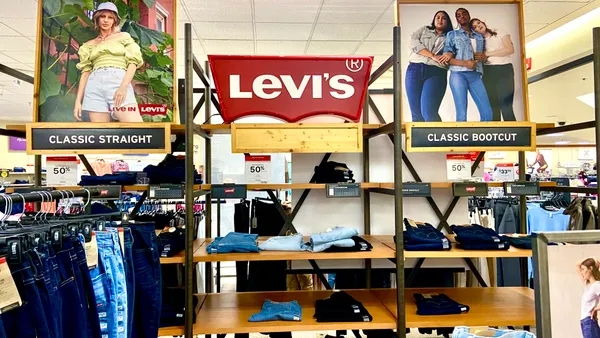
“The aforementioned brands [including Levi’s, Ralph Lauren and Steven Madden] all offered either the same promotions or reduced discounts relative to a year ago, which we think is reflective of their confidence in their businesses right now,” they said.