.png)
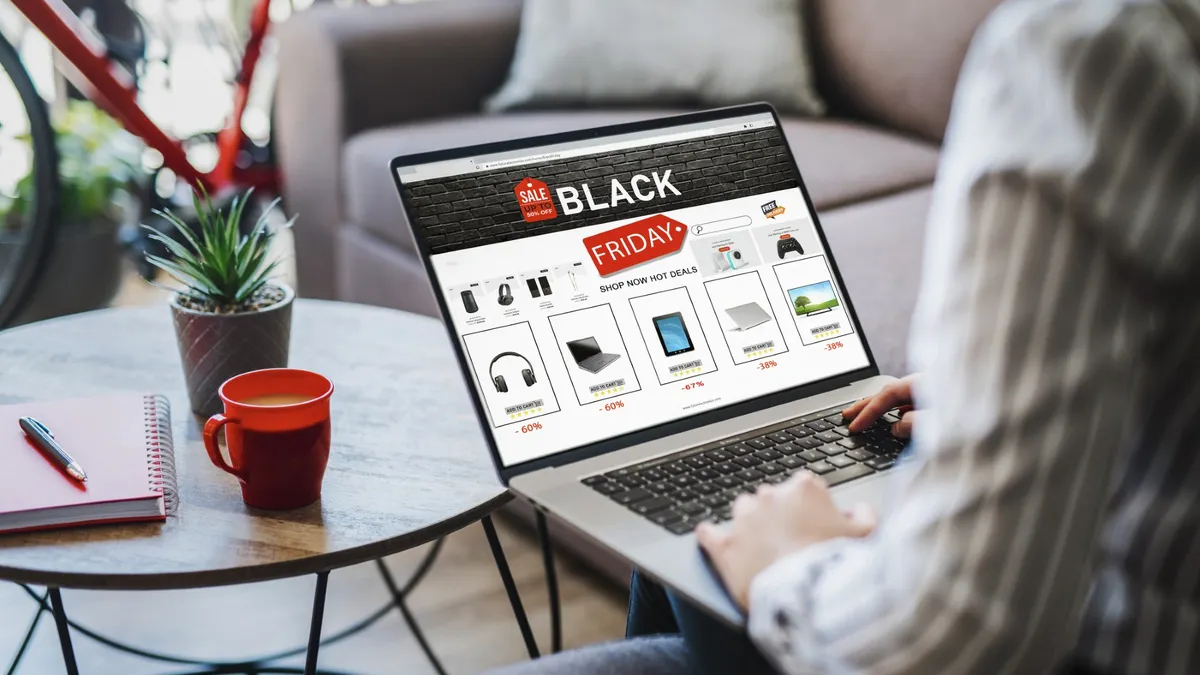
A retailer has spent weeks preparing its Black Friday promotion: 33% off purchases over $100, its biggest offer of the holiday season. At 9 a.m., though, sales are barely moving. The problem isn’t the discount, the website, or the inventory. The promotional email announcing the deal never reached a large share of its intended audience. Buried in spam folders or blocked by email providers, the campaign is missing the very shoppers it was designed to reach — turning a carefully planned sales event into a costly missed opportunity.
Attention retail leaders: Don’t let this happen to you. The above scenario is an example of how ill-prepared companies can spoil their holiday season without the proper email platform. In today’s highly competitive world, consumers expect immediate results. You are only ready for Black Friday if your systems can handle surge in volume, avoid lags, and emails reach inboxes in a timely fashion and not relegated to spam or blocked entirely.
As the 2026 edition of Black Friday Cyber Monday (BFCM) approaches, Gmail, Yahoo, and Microsoft have increased security protocols to prevent phishing, identity theft, and other scams. Large databases, such as retail lists aimed to capitalize on prime shopping season, are vulnerable to tough new barriers targeting high numbers of consumer complaints and large unsubscribe rates. A key baseline to watch is a spam complaint rate below 0.1% (1 complaint per 1,000 emails), which should keep your emails free to send. You need to strictly avoid crossing a 0.3% threshold that causes major email networks to block your domain or reroute your messages to the junk folder.
If your company doesn’t take steps to remain in compliance with new bulk-sender protocols, your email campaigns can be deliberately throttled to email users, land in spam instead of inboxes, or be blocked altogether. The chances of a sale slip with each passing second.
Turning Email Into Purchase
The stakes, to say the least, are huge. In 2025, Shopify merchants generated a record $14.6 billion in sales over BFCM weekend, up 27% from a year earlier. More than 94,900 merchants had their highest-selling day ever on Shopify, and more than 15,800 made their first Shopify sale over the weekend.
Data from Adobe underscores how important the last week of November is for e-commerce. In 2025, Cyber Monday remained the biggest e-commerce day of the season and year, at $14.25 billion in revenue, followed by Black Friday at $11.8 billion. Cyber Week (the five days from Thanksgiving to Cyber Monday) brought in $44.2 billion online overall, up 7.7% year-over-year (YoY). The strong sales drove a record $257.8 billion online commerce sales from Nov. 1 to Dec. 31, up 6.8% YoY.
According to Adobe, consumers spent a record $257.8 billion online from Nov. 1 to Dec. 31, up 6.8% year-over-year (YoY). Cyber Week (the five days from Thanksgiving to Cyber Monday) brought in $44.2 billion online overall, up 7.7% YoY. Cyber Monday remained the biggest e-commerce day of the season and year, at $14.25 billion in revenue, followed by Black Friday at $11.8 billion.
By early December, consumers had completed just over half (51%) of their holiday shopping on average, adds The National Retail Federation. Its forecast that retail sales in 2026 will grow by 4.4% bodes well for the coming holidays.
Despite the rise in social media as a purchasing tool and artificial intelligence platforms like chatbots, email remains a core part of retail communications. Nearly half of consumers say it’s the best channel to receive messages from retailers and more than three-quarters (77%) say their email inbox is an ideal place to receive promotions.
That shopping process often begins on a smartphone or other device when consumers are checking their email.
Follow-up is just as important. Notifications about remaining items in digital shopping carts, restocking updates, and price drop alerts can trigger quick action from savvy shoppers. But, in the case of restocks and promotions, there is usually a short timeframe to take advantage. If your email platform can’t handle the stress of a high-volume window, shoppers might miss out on the opportunity and companies miss out on the sale.
Not only could it make a dent in immediate profits, but jeopardizes the shoppers relationship with the company.
The average cart value for Shopify merchants was $114.70 over BFCM weekend and Adobe estimates shoppers spent at $12.5 million every minute between the peak period of 10 a.m. and 2 p.m. on Black Friday (2025). That translates to about $208,000 in revenue per second.
To capture the full value of that opportunity, retailers need to make every channel count, including reactivating dormant email lists to extend their reach. But as email providers introduce and more aggressively enforce new regulations, growth requires a thoughtful approach. It’s not enough for an email system to handle a surge in volume, messages must also reach their intended recipients. Expanding an email database can drive up complaint rates and put compliance at risk. If a retailer falls out of compliance, providers may throttle its messages, creating a cycle that ultimately leaves fewer emails reaching customers.
Practical Readiness Checklist
By following best practices, retailers can avoid the potential pitfalls of email marketing. Sinch, whose email platform Mailgun handled 30% more emails during 2025's Black Friday delivered over 20 billion emails during the week of Black Friday, offers the following checklists.
Compliance Checklist
These suggestions should temper complaints and limit the number of opt-outs.
- Are you SPF, DKIM, and DMARC verified? Fight off scammers, prove authenticity, and test your emails are reaching the expected inboxes.
- Have complaint-rate monitoring in place to maintain a spam complaint rate below 0.1% (1 complaint per 1,000 emails). Remember, you want to strictly avoid crossing a 0.3% threshold that causes major email networks to block your domain or reroute your messages to the junk folder.
- Implement one-click unsubscribe options. Gmail, Microsoft, and Yahoo mandate the option.
- Add a double opt-in or sunset policy targeting contacts who’ve stopped engaging with your brand. This helps prevent long-term reputation damage and fends off spam claims.
Infrastructure Checklist
How to avoid overburdening your system:
- Employ a dedicated send capacity to ensure high-volume messages are delivered instantly without getting blocked, throttled, or delayed
- Use a dedicated IP address if you’re sending a high volume of transactional emails.
- Implement load-tested send windows to ensure platform stability, maximum deliverability, and compliance under peak traffic conditions.
- Put in place real-time trigger monitoring to instantly detect critical events and automate immediate actions, such as sending time-sensitive alerts or updating workflows.
- Have a fallback/escalation plan for the peak sending hours to guarantee delivery during bottlenecks.
You’ve promised you’ll get their messages out in milliseconds, now it’s taking minutes. That may not seem like much, but for certain customer communications, speed of delivery really matters. It could impact time-sensitive promotions, but where it will really hurt is order confirmations and password-related comms. Consumers expect to get those messages almost immediately.

Alex Rubin
VP Strategic Partnerships, Sinch
The deadline to have your email infrastructure locked in for the holiday season is moving earlier each year. Consumers are expecting promotions earlier, as 37% said they want them a month before Black Friday. The fact that in 2026 Black Friday falls on November 27, the latest date possible, may only feed that desire to start shopping before Thanksgiving.
To meet growing customer demands, retailers need resilient systems to handle increasing holiday volume to ensure their emails avoid compliance issues and reach the desired audiences. This is more than a marketing tool, it’s an immediate revenue-generating opportunity.
Learn how Sinch can help bolster your email performance during BFCM.