It’s been another week with far more retail news than there is time in the day. Below, we break down some things you may have missed during the week and what we’re still thinking about.
From Doritos’ new love of protein to West Elm at the office, here’s our closeout for the week.
What you may have missed
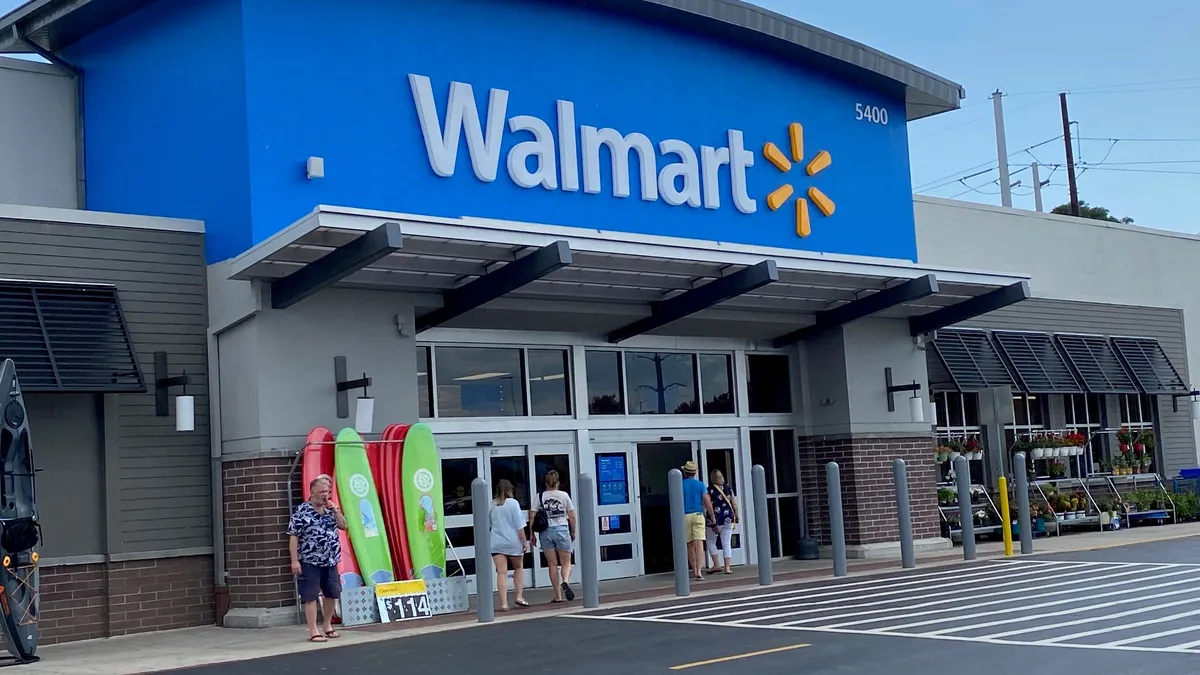
Walmart agrees to $100M FTC settlement over claims regarding driver pay
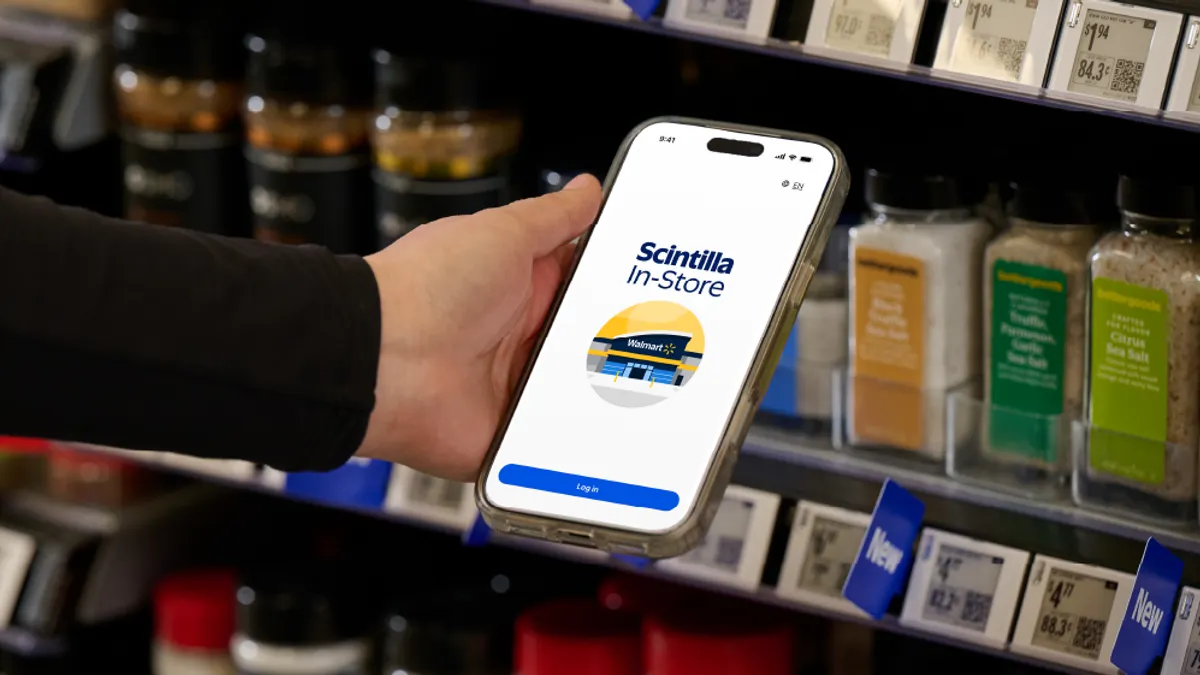
Walmart agreed to a $100 million settlement regarding allegations from the Federal Trade Commission and 11 states that the company deceived Spark Driver workers about base pay, incentive pay and tips.
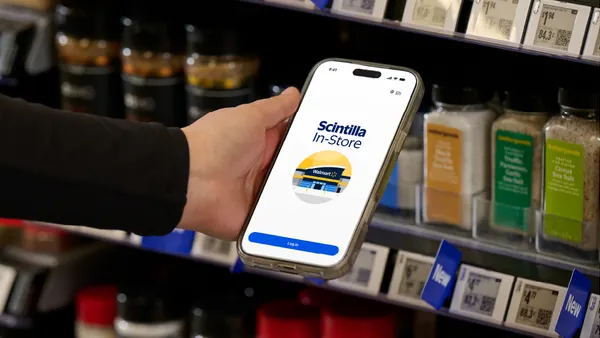
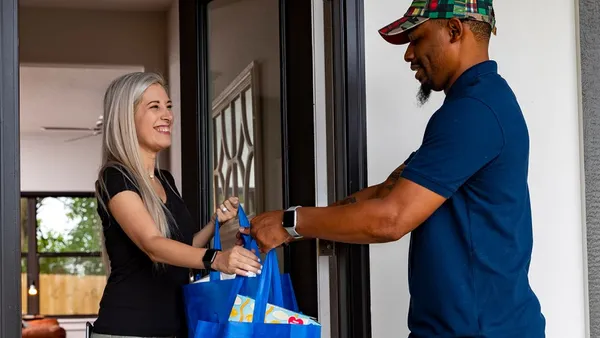
Walmart uses gig workers to deliver products via the Spark Driver app. The complaint alleges that the big-box retailer engaged in deceptive practices including misrepresenting incentive pay, deceiving customers that 100% of tips go to the driver and deceiving drivers about the amount of money that would be received when Walmart modified batched offers, among other things.
As part of the proposed order, Walmart is required to implement an earnings verification program to ensure drivers are paid their promised earnings and tips, among other actions.
“We value the hard work and dedication of the drivers who deliver great service and products to our customers,” a Walmart spokesperson said in a statement to Retail Dive. “We have issued payments to impacted drivers and continue to make additional payments as appropriate. We are continuously improving procedures to ensure fairness and transparency for drivers.”
West Elm will now show up at your office
Home retailer West Elm announced a new business initiative, West Elm Office, designed to support the furnishing needs of commercial and residential office spaces, according to a Tuesday press release. Products include desks, chairs, bookcases, shelving and storage and is available in select West Elm stores and on the brand’s website.
“West Elm Office was designed to give our customers a clean canvas; one that’s modern, customizable, and grounded in quality, so they can build spaces that reflect both their needs and their point of view,” President of West Elm Day Kornbluth said in a statement.
Retail therapy
Doritos enters its protein era
As more consumers prioritize protein, it seems like nearly every brand is trying to answer the call. From protein Pop-Tarts to higher protein Uncrustables, it feels like the trend has hit nearly every aisle of the grocery store.
And for good reason: The protein ingredients market was forecast to grow to about $86 billion by 2028, according to a 2024 report from Markets and Markets.
This week, Doritos announced two products to meet the needs of protein-seeking consumers. The chip brand collaborated with Jack Links for Doritos Nacho Cheese-flavored beef jerky and meat sticks. The latest launch extends an existing partnership between Jack Links and Frito-Lay that was established in 2023.
"Consumers want more protein, more flavor, and more convenience — and that's exactly what this collaboration delivers,” Holly LaVallie, senior vice president of marketing and R&D at Link Snacks, said in a statement. "Whether you're grabbing a quick snack or fueling up for the day, these incredibly flavorful meat snacks make protein easy, delicious, and always within reach.”
The chip maker on Thursday also launched its own Doritos Protein tortilla-style chips. The product, which hits shelves next month, offer 10 grams of protein per one ounce and come in Nacho Cheese and Sweet & Tangy BBQ flavors.
"The launch of Doritos Protein marks our strategic expansion into the protein snack category,” Hernán Tantardini, chief marketing officer at PepsiCo Foods U.S., said in a statement. “This innovation underscores PepsiCo Foods' commitment to evolving its portfolio to meet shifting consumer preferences toward foods with functional ingredients.”
What we’re still thinking about
27%
That’s how much Puma’s net sales fell in the fourth quarter, contributing to a 13% sales decline for 2025. The brand said results worsened as the year progressed, with Q4’s double-digit declines attributed mainly to “strategic reset measures.” The activewear retailer swung to a loss in fiscal year 2025 and does not plan to give a dividend to shareholders as a result.
CEO Arthur Hoeld, who took on the top job last summer, described 2025 as a “reset year” and said he is satisfied with the brand’s progress in areas like reducing promotions, decreasing exposure to low quality wholesale channels and addressing operational inefficiencies. 2026 will be a “transition year” focused on further streamlining distribution and reducing inventory levels.
Among other efforts, Puma expects to finish cutting 1,400 corporate roles in 2026. The retailer is expecting to end fiscal year 2026 with an operating loss and another sales decline.
“While 2025 served as a year of strategic reset and 2026 represents a period of transition, Puma is confident that the measures implemented thus far and those planned for the near future, are critical to re-establishing growth from 2027 onwards,” the company said in its release. “These actions are expected to generate healthy profits and support the company’s ambition to become one of the top three sports brands globally in the medium term.”
What we’re watching
Don’t blame mogul Richard Baker for all the department store trouble, he’s out
It’s easy to find sources with plenty to say, on and off the record, about real estate mogul Richard Baker and his track record investing in and leading various department store chains. Most of it is negative: The demise of Lord & Taylor and Canadian stalwart Hudson Bay have served as the top exhibits for the many people who believe — as Mark Cohen, who had leadership roles at various department stores in North America and led retail studies at Columbia University’s business school, said four years ago — “Richard Baker is a deal maker who masquerades as a retailer.”
Baker may grasp that this narrative has been underscored by Saks Global’s highly anticipated bankruptcy, filed last month, which encompasses Saks Fifth Avenue, Neiman Marcus and Bergdorf Goodman, three luxury department store icons. In an interview with the New York Times Monday, Baker defended his record, saying that he “kept each one of these businesses going longer than anyone on Earth ever could have.”
Briefly this year, shortly before Saks Global’s Chapter 11 filing, Baker took over as its CEO. He was almost immediately replaced, though, by former Neiman Marcus Group chief Geoffroy van Raemdonck. Is there no place for him anymore in this storied segment of retail? Aside from whatever real estate he still owns, apparently not.
“I’m happy to be out of the department store business,” he told the Times.