Another investment in retail by real estate investment trust Simon Property Group is faltering.
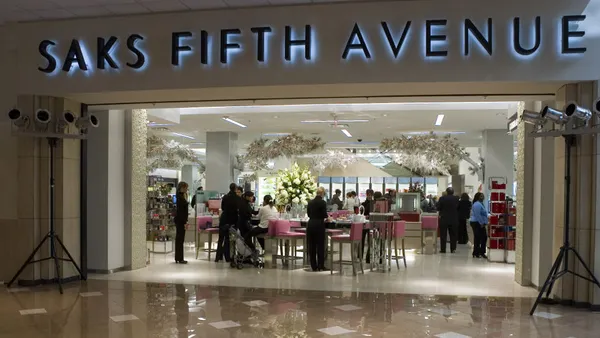
Despite checkered results from a decade or so of pouring money into retailers, Simon made a $100 million investment into Saks Global in late 2024, as the luxury department store company worked to acquire Neiman Marcus Group. That $2.7 billion deal was inked in December that year, but — after a tumultuous 2025 marked by financial struggles, souring vendor relationships and market share losses — Saks Global filed for bankruptcy earlier this month.
Simon Property Group didn’t return a request to comment for this story. While CEO David Simon has long acknowledged the volatility of the retail business, he has also consistently touted the benefits of investing in retailers.
Simon Property Group is asking the U.S. Bankruptcy Court for the Southern District of Texas to recognize its termination of the leases for over more than $7 million in unpaid rent, based on letters sent to Saks Global earlier this month.
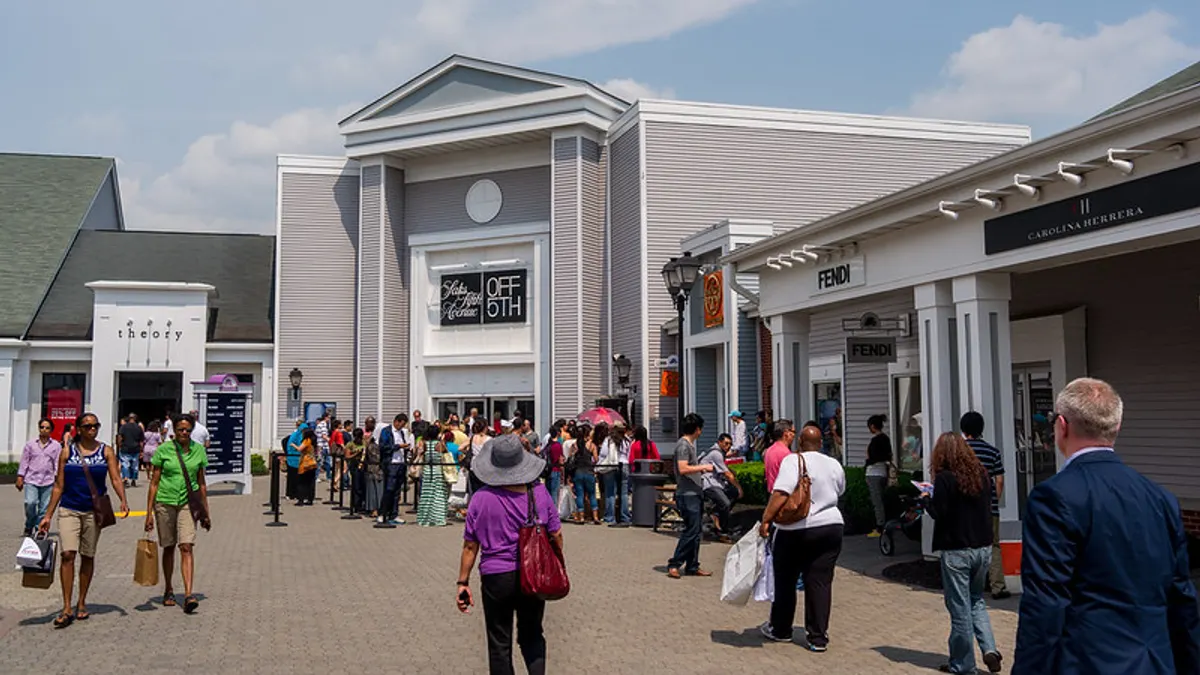
Those letters were sent a week before Saks’ bankruptcy filing. Attorneys for Saks Global, however, dispute Simon’s ability to withdraw the leases of the two stores, a Saks Off 5th location at Woodbury Common Premium Outlets in New York and a Neiman Marcus location at the Stanford Shopping Center in California.
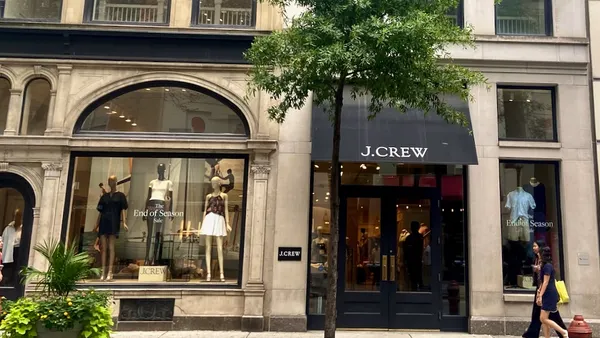
For many years Simon promoted its acquisition of distressed retailers as a way to strengthen those companies and save jobs, while many observers saw it more as a way to keep rents flowing in. Starting in 2016, Simon partnered with companies including rival REIT Brookfield and Authentic Brands Group to take stakes in the likes of Aéropostale, Forever 21 and J.C. Penney. The price tags were often low because the retailers were working to exit bankruptcy.
Critics over the years have maintained that investors in REITs expect a more stable approach. But David Simon downplayed the risk and at one point favored changing federal regulations to allow the company to own even more of its tenants.
More recently, though, Simon has been divesting from retail, shrinking or cutting its stakes in Forever 21's operating company, Eddie Bauer and Authentic, and contemplating ownership only when the outlay was little to none. The portfolio now includes the retail operations of Catalyst Brands, which includes J.C. Penney and several Authentic brands; e-commerce company Rue Gilt Groupe; and real estate developer Jamestown. In the most recent quarter, after a series of declines, those retail-related investments swung into the black, from a net operating loss of $7.6 million the previous year to net operating income of more than $54 million.