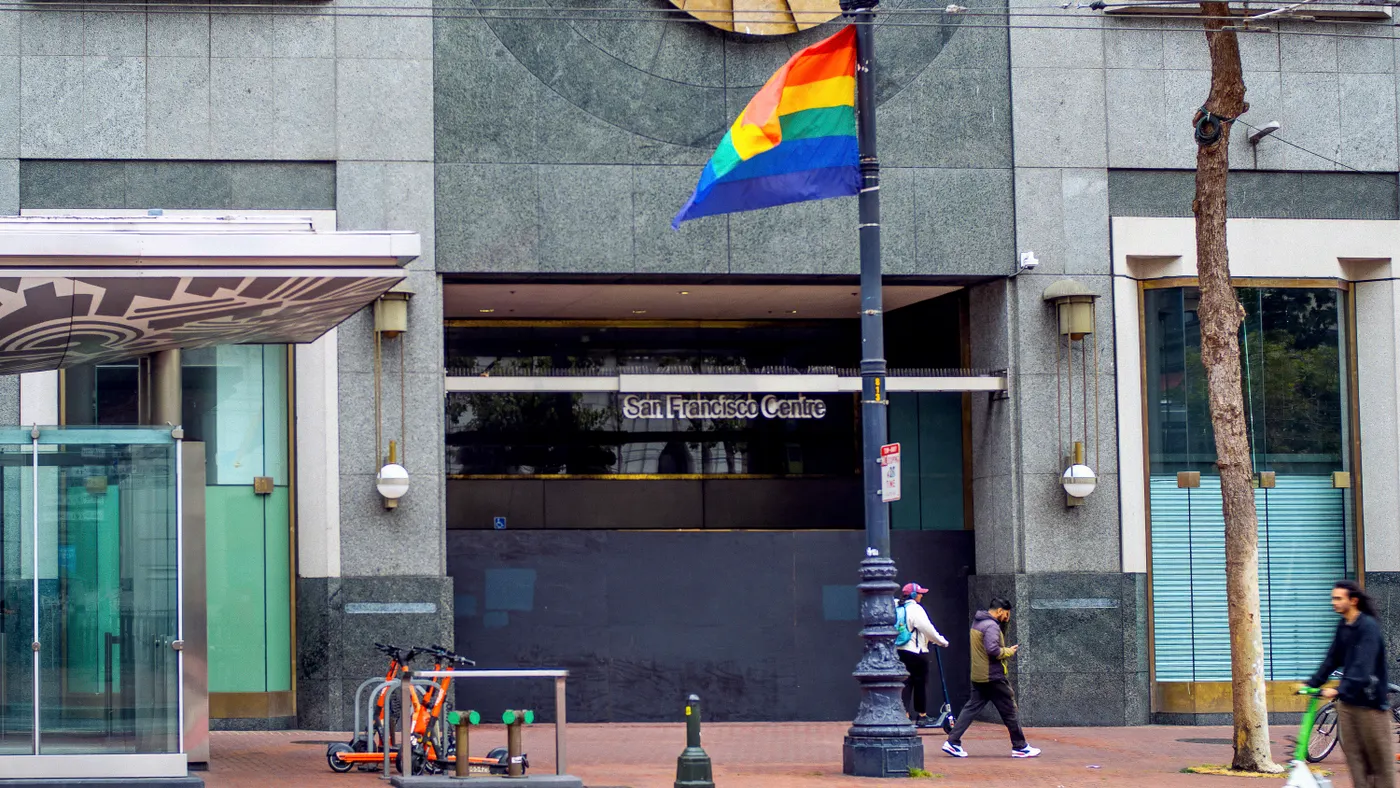
For more than five years now — since the onset of the pandemic — San Francisco has seemed to be the epicenter of store closures in the U.S., as crime and other troubles gave the city’s major retail corridors a bad reputation.
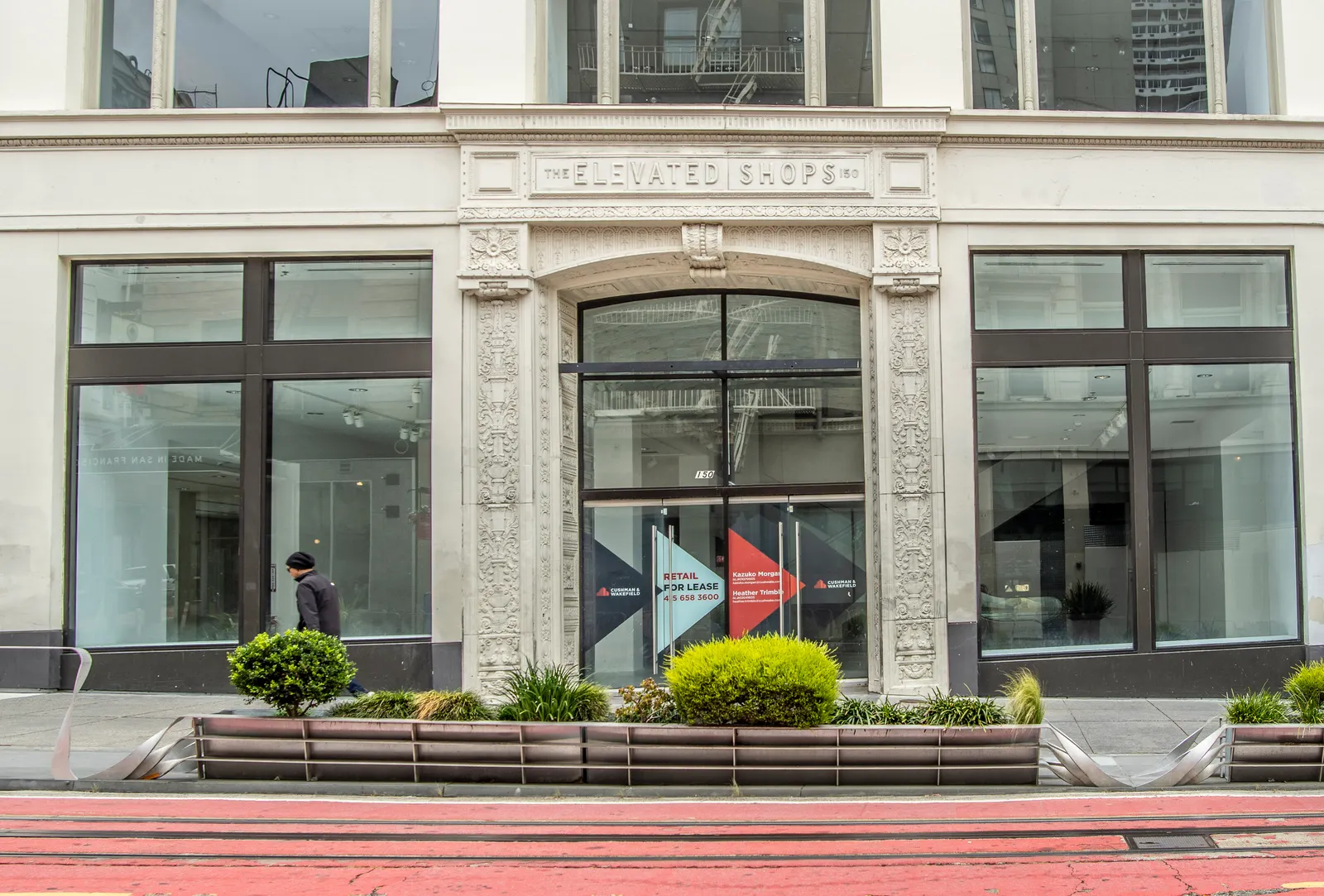
Retail in San Francisco has never been entirely doomed, though, and now there are early signs of a comeback. A recent tour by bike, transit and foot found numerous boarded up buildings and “for lease” signs, but also stores flourishing in the city’s neighborhoods and even its beleaguered downtown.
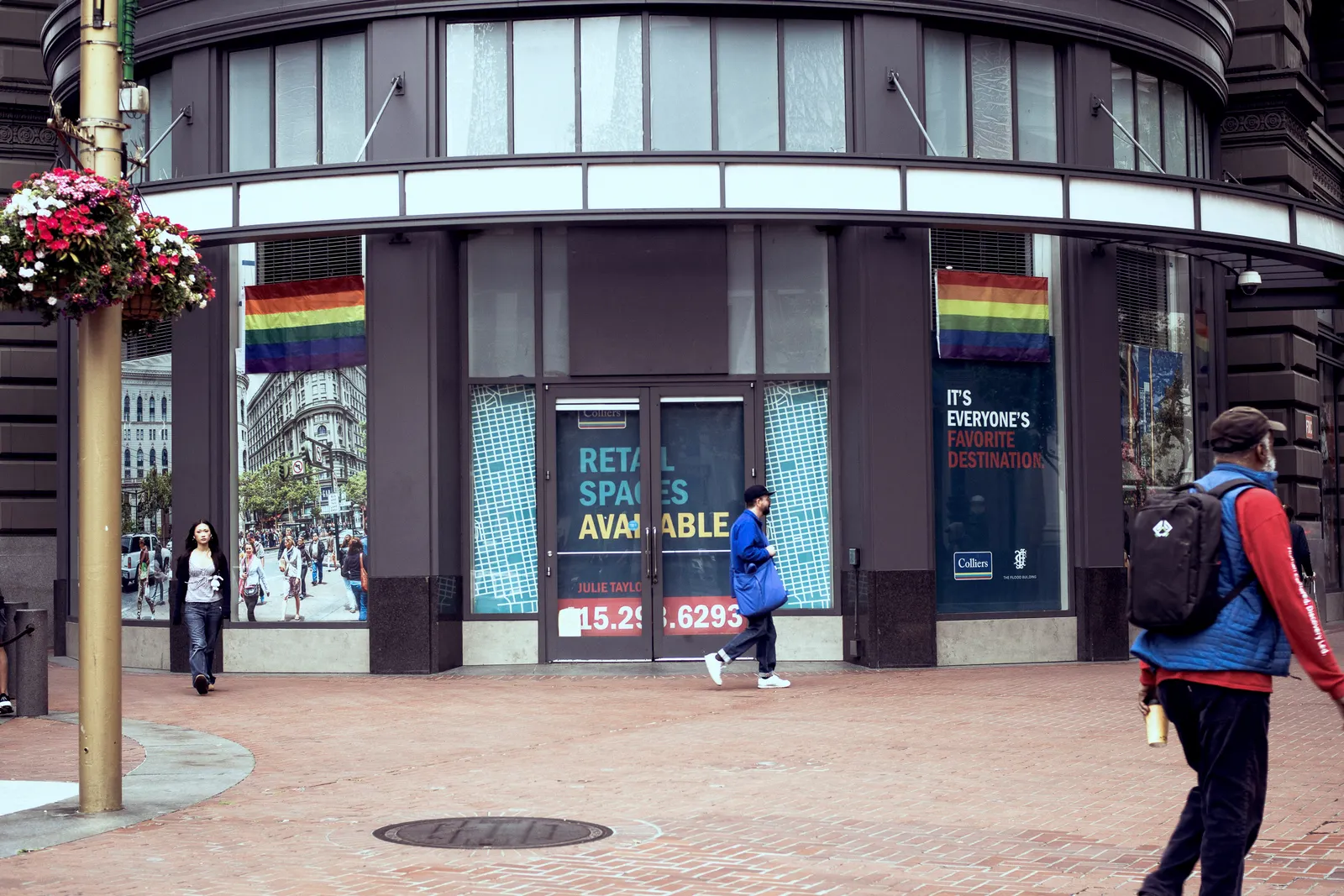
Hesitation around signing a lease here lingers. Yet landlords and store owners never stopped shaking hands, especially in the city’s neighborhoods and surrounding suburbs, according to Meghann Martindale, principal and director of retail market intelligence at commercial real estate firm Avison Young.
“What makes San Francisco fascinating is that retail demand has become hyper-local,” she said by email. “Neighborhood to neighborhood can completely change the customer profile, spending power, and retailer performance. The city's strongest retail is increasingly being driven by strong neighborhood ecosystems rather than a single dominant downtown shopping district.”
A rough few years
That might be helping the city turn the page, but it still has far to go in certain areas.
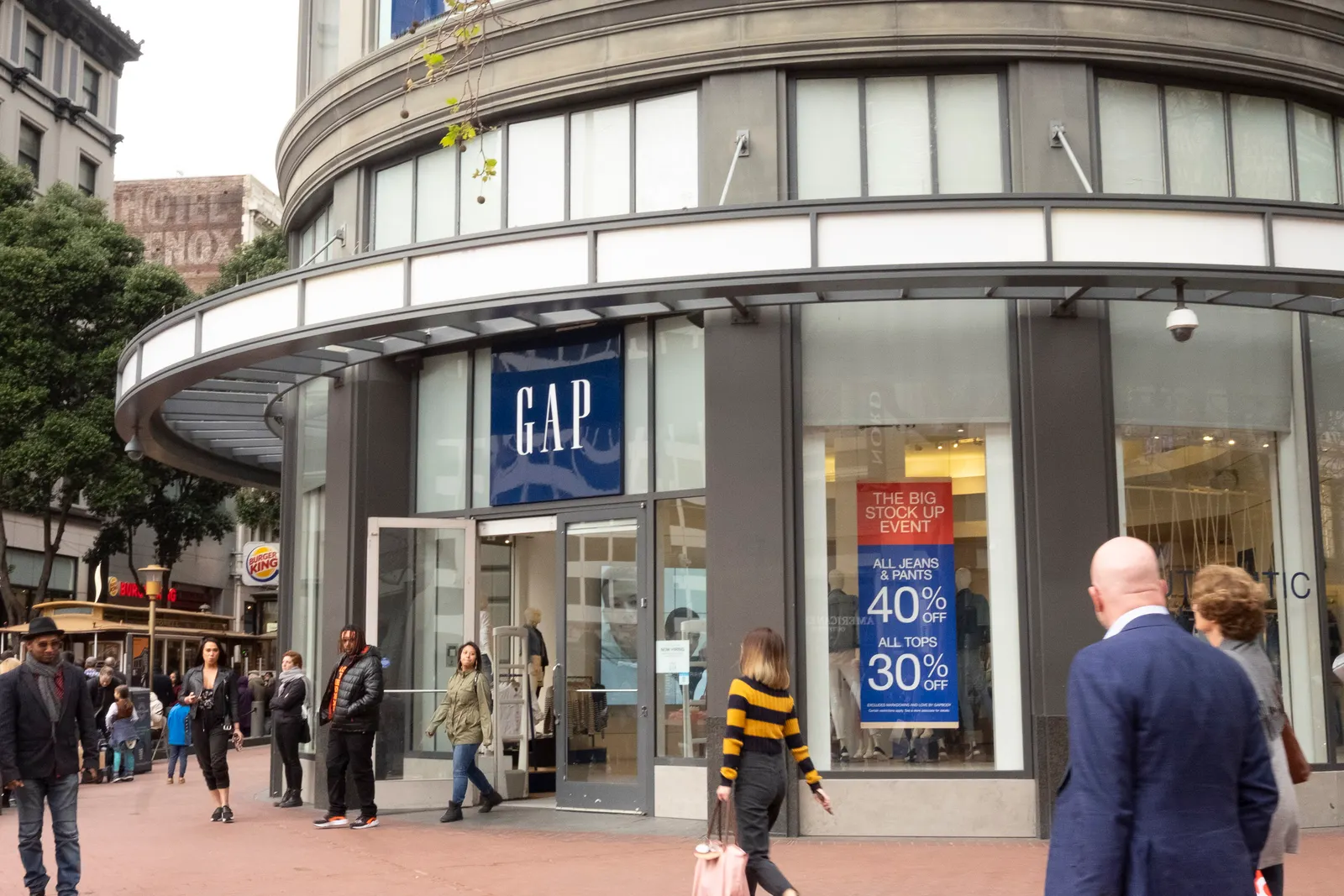
For the last several years, running a store in the city has seemed hopeless. In 2020, even homegrown fashion icon Gap permanently shuttered not one but two locations there — one in the Embarcadero Center and the other its flagship in the historic Flood Building, not too far away. By 2023, when Nordstrom fled Market Street — closing not only its flagship in Westfield’s San Francisco Centre mall but also a Rack location across the street — the exodus was well underway.
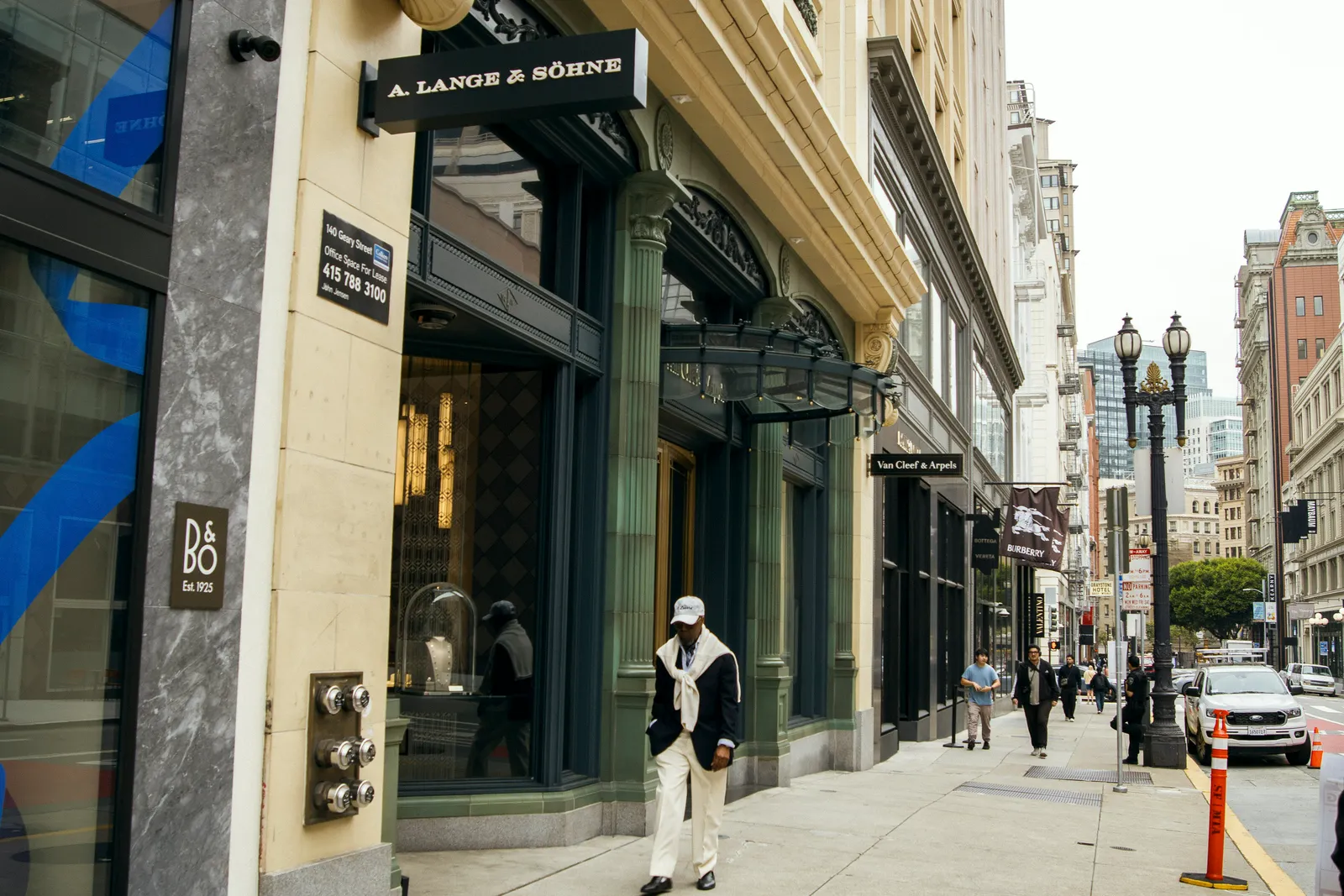
The city blamed a fall-off in tourism and office workers as store closing signs proliferated up and down Market Street and into the nearby Union Square shopping district.
“What we've learned is just how interconnected these different property sectors really are,” said Lonnie Hendry, chief product officer at Trepp, which tracks data and provides analytics on commercial real estate. “So when office attendance dries up, then all of your downstream businesses — your stores, your restaurants, your gyms, even your apartment complexes — those businesses suffer significantly.”
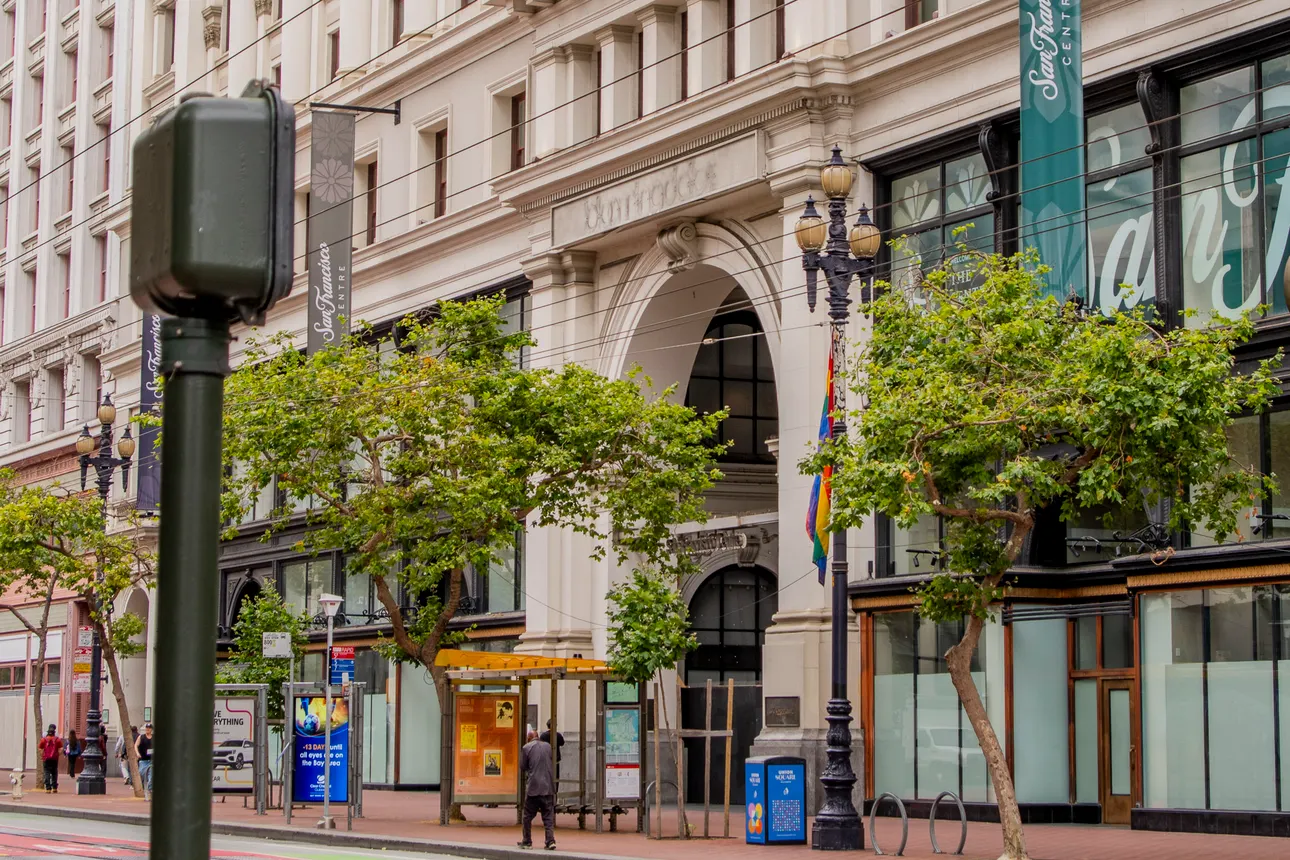
San Francisco Centre
Even now, San Francisco Centre — with its Beaux-Arts façade — serves as the ultimate symbol of the deterioration. In 2023, with sales and traffic plummeting, owner Westfield gave up on the mall and handed it over to its lender. That didn’t stop American Eagle from accusing the company, in court, of neglecting the property and its tenants and “turning a blind eye to rampant criminal activity.”
The next year the firm that had taken over management of the mall briefly renamed it, but that did little to attract a buyer, and an auction was postponed. When Bloomingdale’s left San Francisco Centre last year, it seemed inevitable. This year two financial firms reportedly inked an agreement to buy it, but that soon fell through, and it’s back on the market.
It wasn’t always so. Martindale, a San Francisco native, was there when the San Francisco Centre opened in 1988 and says “it was truly magical.” But it was “built for a different era,” when department store shoppers, regional shoppers, tourists and office workers could support nearly 1 million square feet of retail, entertainment and dining, she said by email.
“At the time, it represented the future of urban retail, creating a vibrant mixed-use/retail destination that helped redefine downtown San Francisco,” she said. “Seeing it permanently closed today is both sobering and deeply sad, while leaving a large void in the heart of the City.”
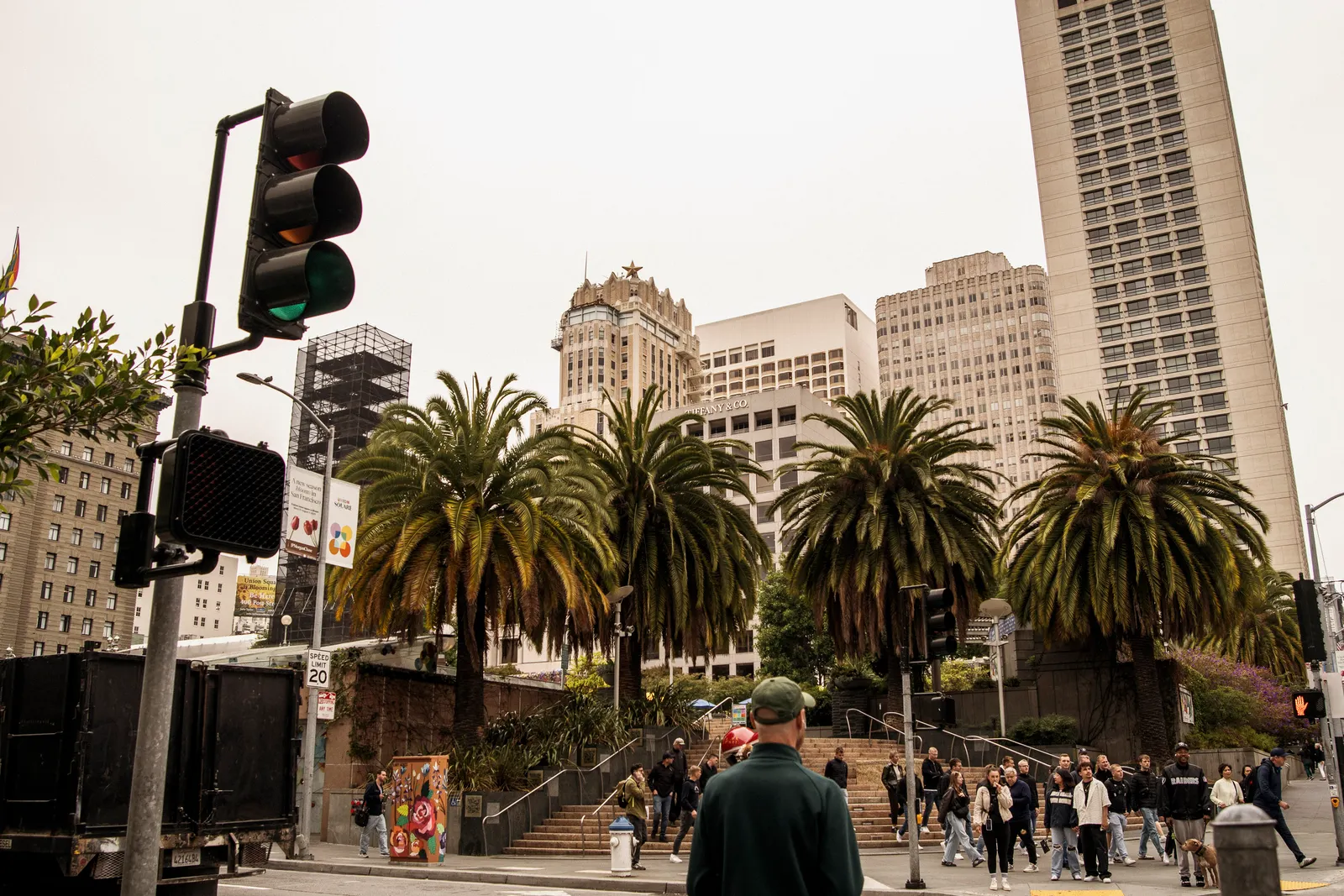
Union Square
Then there’s Union Square, whose troubles began before the pandemic.
Macy’s Inc. had shuttered its Macy’s men’s store in 2016 and rumors swirled that it would close Macy’s flagship there, too. Barneys closed there as part of a 2019 bankruptcy. Saks Global closed Saks Fifth Avenue last year, months ahead of its 2026 Chapter 11 filing.
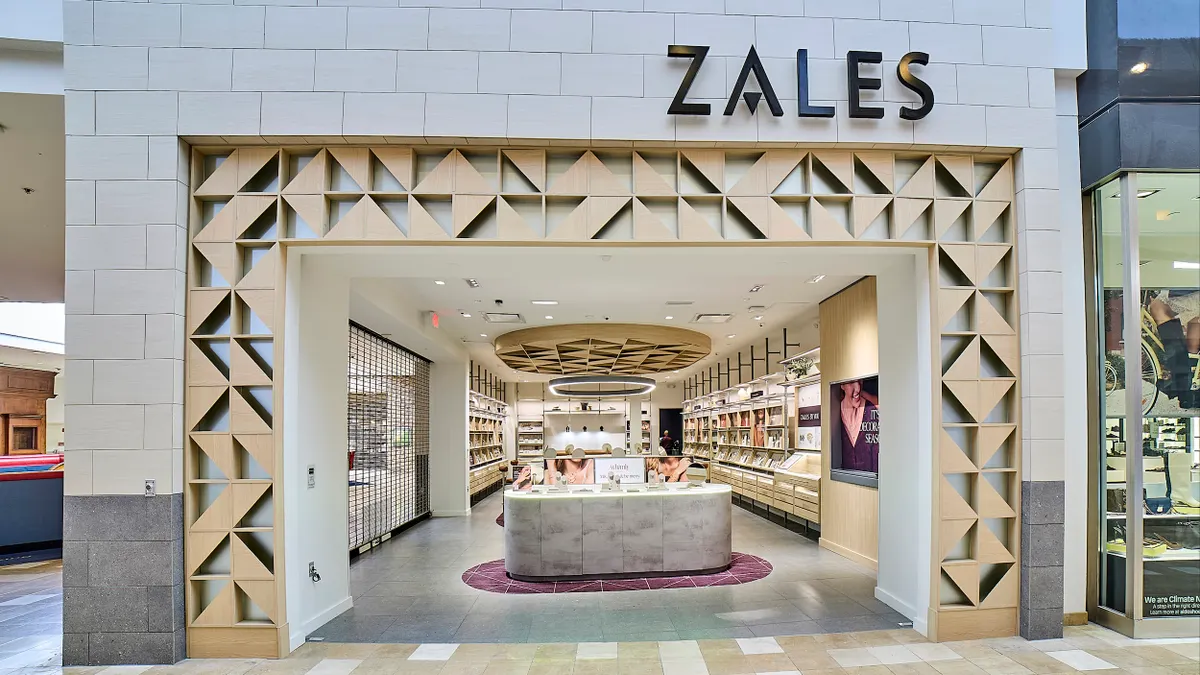
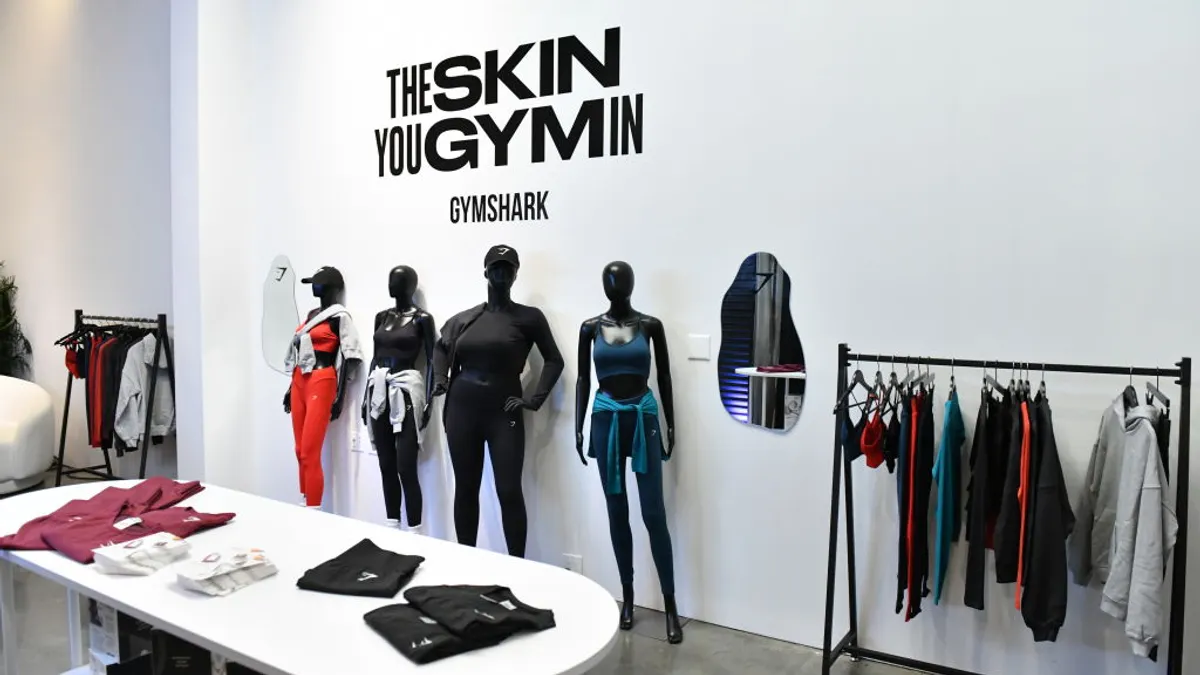
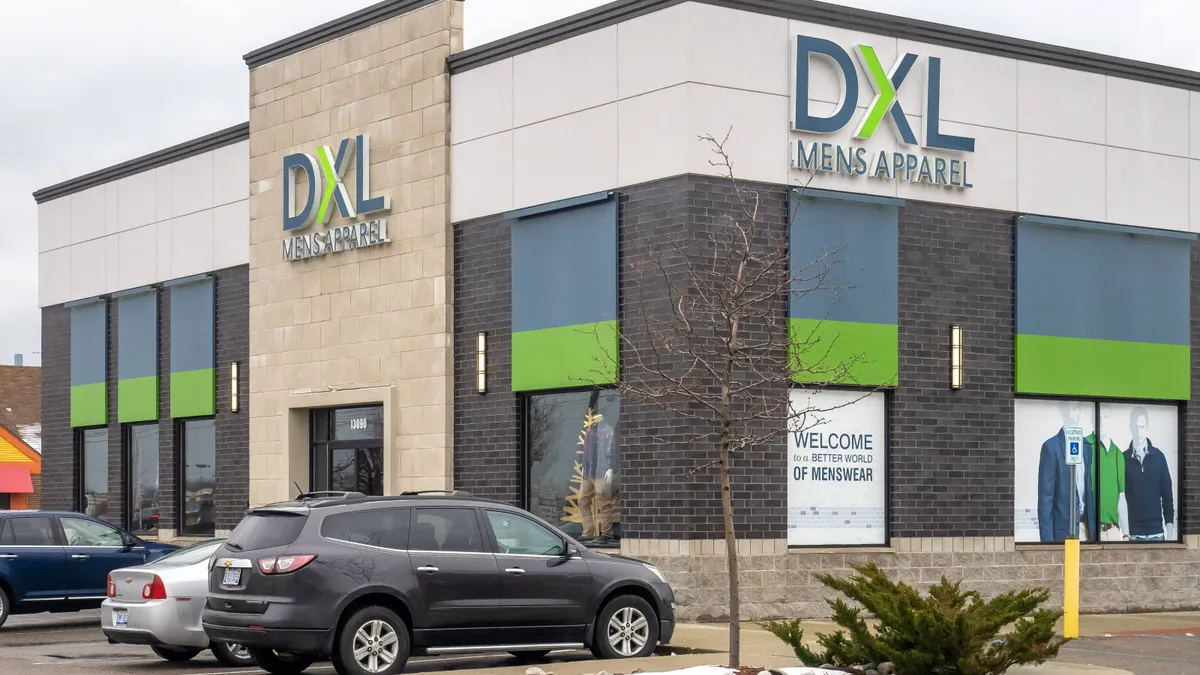
But, while empty storefronts remain, several luxury and upscale direct-to-consumer stores stuck around or recently arrived. Macy’s Union Square store, for one, stayed open. Luxury brands are there, but now so are “more accessible, aspirational, and streetwear brands, which I think will energize and draw a new customer to the Square overall,” Martindale said.
In a recent study of office, lodging and retail in San Francisco, Trepp found evidence of an emerging recovery downtown, thanks in part to a rebound in office leasing driven by AI tech companies.
“There's a hint of optimism in the air,” Hendry said. “When things were probably at their worst, it was really difficult to market your space as compelling — when you maybe lost three tenants in the last month.”
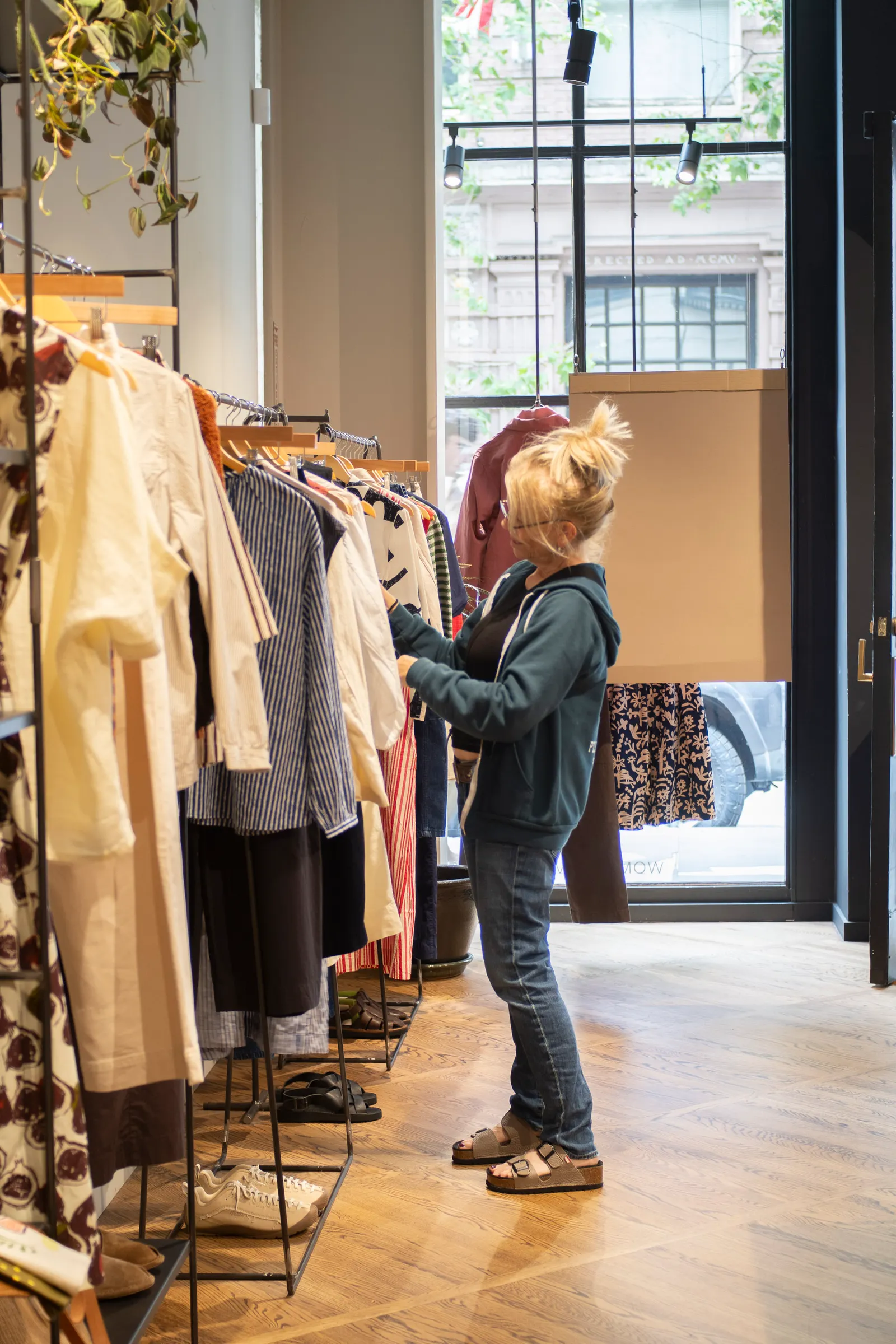
These days, more offices and smaller retail leases are being inked, and that is on the verge of snowballing, he said.
“People’s immediate reaction is no longer negative when you say ‘San Francisco’ or ‘San Francisco retail,’’’ he said. “Now we can really make the push to get people back here at scale. I think you're starting to see that, although there's still work to do, obviously.”
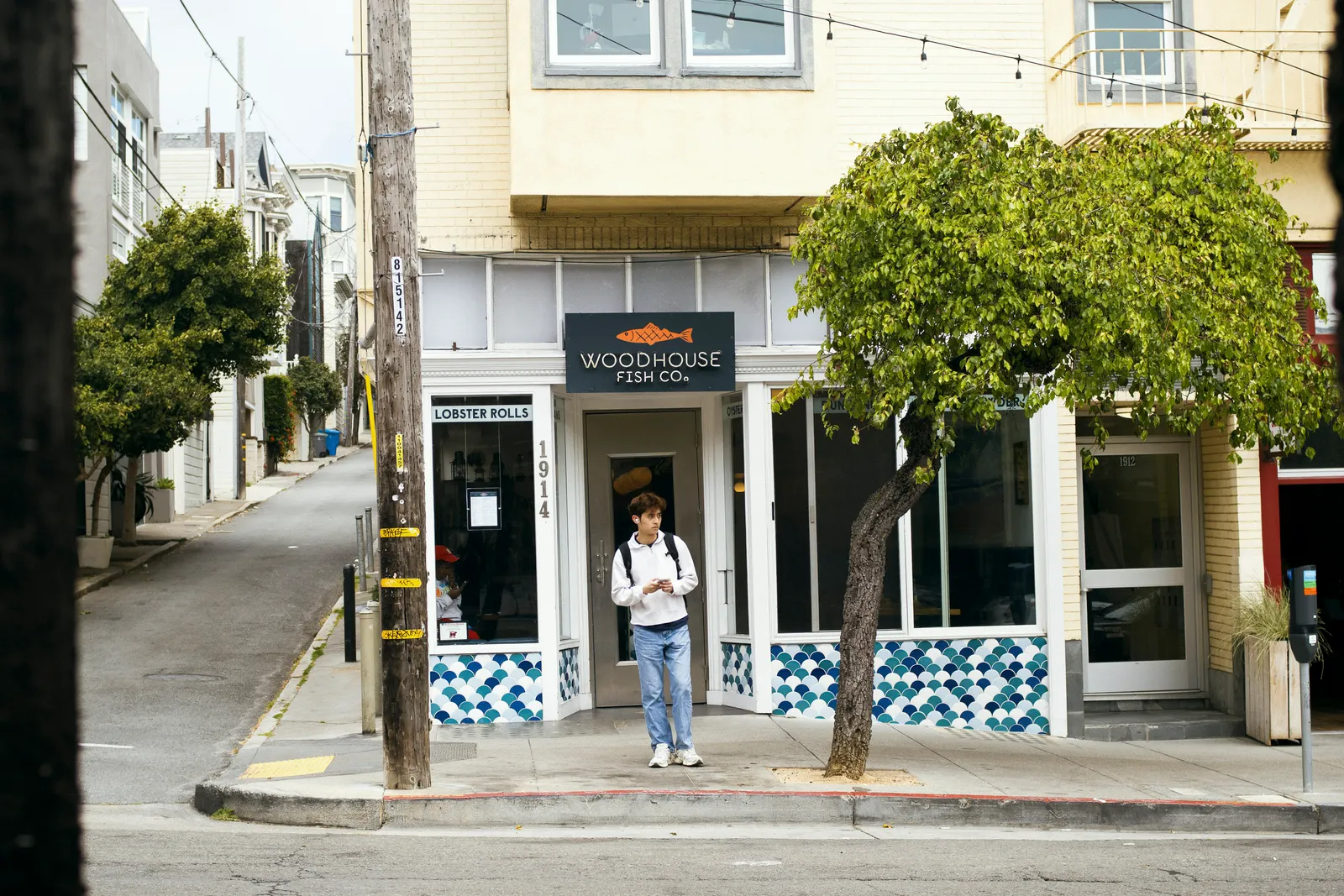
A tale of two cities
There are also lessons to be learned from neighborhood-based shopping areas, which weren’t so devastated by the pandemic and are thriving.
“I think SF is still the tale of two cities — Downtown/Union Square vs the neighborhoods (Chestnut, Union, Fillmore/Pacific Heights). They tell two very different stories about foot traffic, demand drivers, and retail concentration,” Martindale said. “However, Union Square is bouncing back with key new store openings and retailer confidence returning.”
In areas like Hayes Valley, Upper Fillmore or Pacific Heights, there are local shops and eateries as well as chains. Property owners are beginning to take a page from the neighborhoods by mixing in restaurants and services like salons as well, according to Hendry.
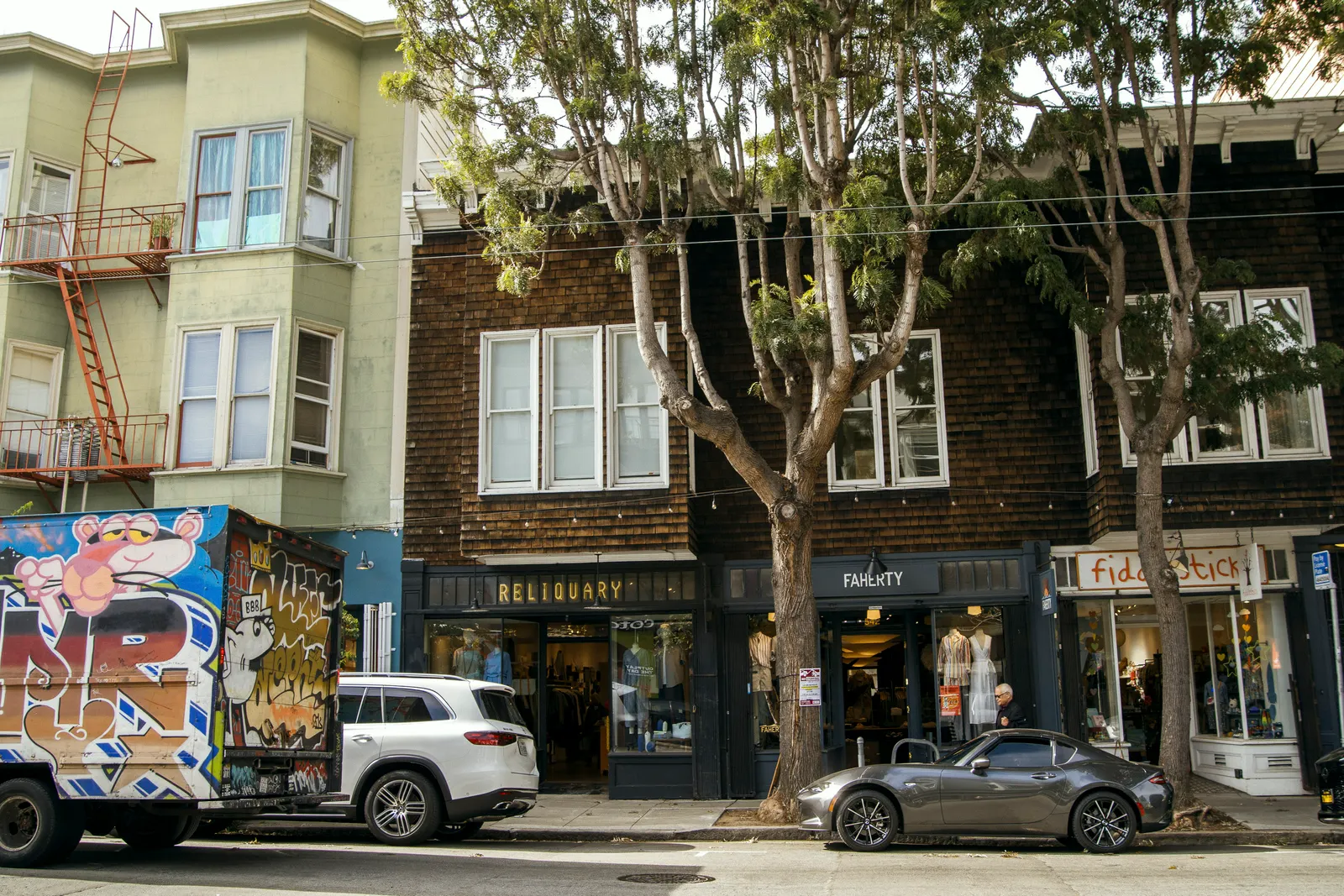
“Having dedicated retail filled with chains doesn't elicit the same type of behavior that you get when you have this eclectic mix of local nuance combined with some of the national retailers, where someone can go and spend the day,” he said. “But the catalyst for this revival really is the office, and I don't think that can be understated.”
Mostly, though, as rough as it’s been for San Francisco, it was never going to be down for long, he and Martindale said.
“San Francisco is an economic engine, so certainly it can have ebbs and flows. It is not immune to market cycles. But if you just look at history — San Francisco is a gateway city. It has too much entrepreneurial spirit to be down for too long,” Hendry said. “I'm never betting against San Francisco.”