Dive Brief:
-
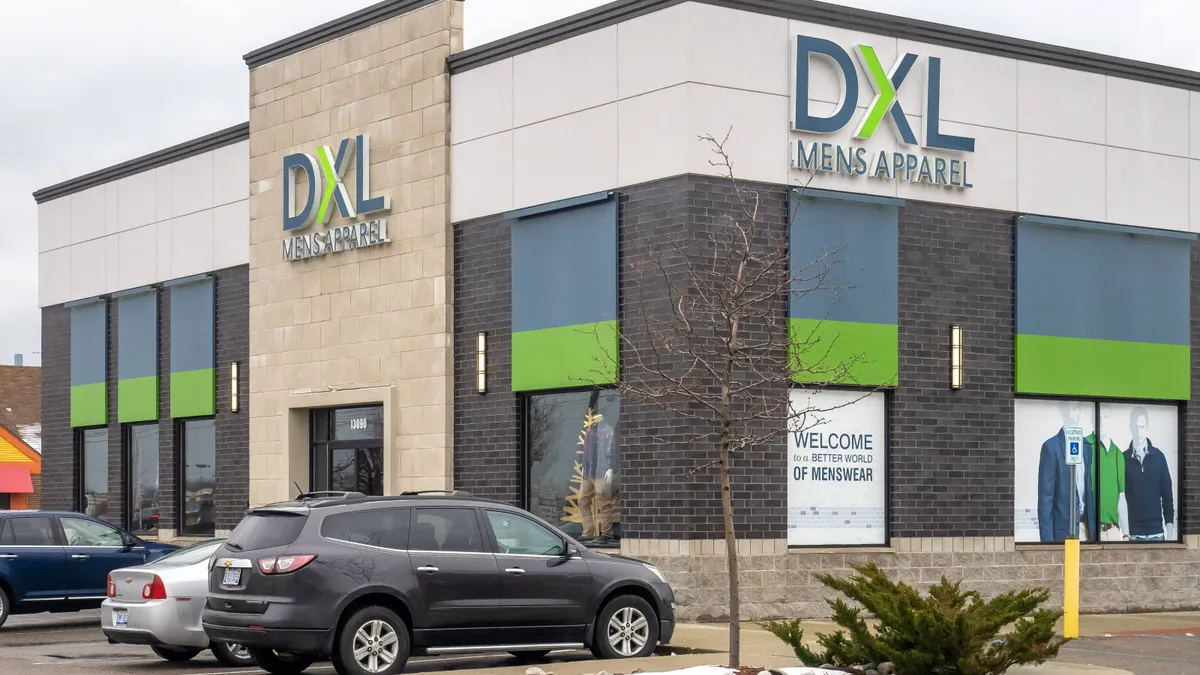
Destination XL Group’s board of directors told shareholders to reject an unsolicited take-private offer from Zodiac Partners, according to a Tuesday press release.
-
The response follows a May 12 proposal from Zodiac for 82 cents per share, which valued the company at about $46 million, according to a statement from Zodiac.
-
DXL’s board determined that the offer “does not reflect the Company’s underlying value,” Board Chairman Lionel Conacher said in a statement. “The Offer is also highly conditional and opportunistic, seemingly timed to deliberately exploit a period of market dislocation.”
Dive Insight:
Following its rejection of Zodiac’s offer, DXL postponed its first quarter earnings call until Wednesday, citing the time required to review the take-private proposal.
Meanwhile, DXL is in the midst of closing a merger with FullBeauty Brands, which is expected to be completed in the second quarter of 2026.
Plus fashion is still treated as a niche by the wider industry, although joining forces with inclusive size fashion company FullBeauty could help to leverage the strengths of both companies. In the December merger announcement, FullBeauty CEO Jim Fogarty, who will become CEO of the combined company, said the merger would create a leader in what he called a fragmented market.
“We expect to deliver sustainable growth, stronger margins and long-term shareholder value — while expanding choice for customers in an apparel category that has historically lacked options,” Fogarty said.
Following the completion of the merger, FullBeauty will own 55% of the newly combined company and DXL will own the remaining 45%. The company will remain publicly traded.
In a May 21 update to its original go-private offer, Zodiac said it believed DXL’s “proposed merger with FullBeauty would add an unsustainable debt burden in a very uncertain macro environment. The proposed merger would add a material amount of debt to the combined entity’s balance sheet that would bear a high interest rate.”
In addition, Zodiac said its offer “was designed to give shareholders a superior all-cash option and provides an opportunity to realize immediate value at a large premium.”
DXL is facing challenges resulting from increased GLP-1 usage among its customer base, and fourth-quarter sales declined 6% year over year to $112.1 million. On its Q4 call with analysts in March, DXL President and CEO Harvey Kanter expressed optimism regarding the company’s future prospects.
“When you think about the multiple elements we are all living through and the volatility — whether it is tariffs, the impact of GLP-1 drugs, which we believe is having an impact in terms of the customer’s weight and how they are thinking about clothing, or the price of gas, food, groceries, going out to eat — all those variables are affecting the sector,” Kanter said. “A belief we have shared before is, at some point he has to come back. He needs clothes. He has shopped for need, not want. He may still be shopping for need, not want for a period of time, but at some point, he needs clothes. He is wearing them out.”