




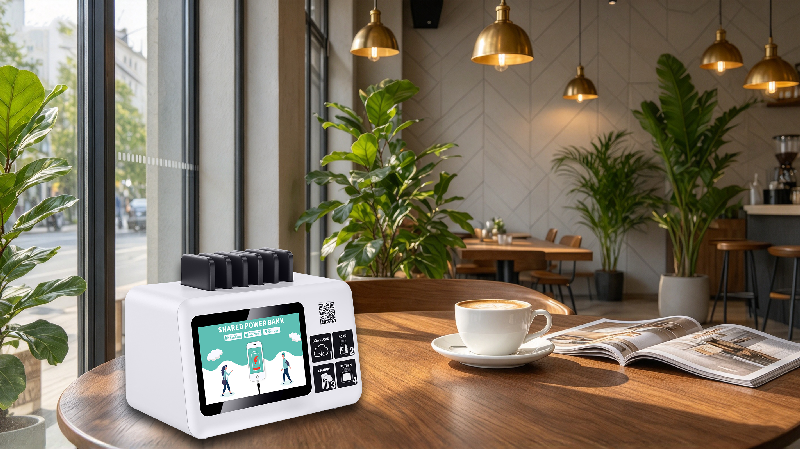
As guests become increasingly dependent on mobile devices, charging has become one of the most frequently requested basic services in hotels, second only to Wi-Fi. For hotel technology managers, choosing a charging solution is no longer just about purchasing a small device; it involves the overall operational design of guest rooms, the front desk, meeting areas, and public spaces. From the perspective of hotel technology news. this article reviews the current mainstream solutions and key selction criteria.
Key Points
1. No single charging solution suits every area of a hotel; guest rooms, the front desk, and event spaces have different needs.
2. Free charging cables provide emergency support, fixed charging ports suit areas where guests remain seated, and charging cabinets and power banks offer different levels of security and mobility.
3. Paid services require dear price displays, simple return procedures, and reliable support in case of payment or device failures.
4. A limites pilot before full deployment can help verify return procedures, and reliable support in case of payment or device failures.
5. A limited pilot before full deployment can help verify whether a solution is truly useful.
Guests who only need to confirm their reservation face different charging issures from those who spend the day in meetings. Hotels should first identify where charging requests are likely to occur, how long guests typically need to charge, and wether they still need to use their phones while charging. The service model also matters: free charging cables can be issued, checked, and collected by the front desk; self-service device reduce daily operations, but operators still need to handle payment failures, devices not being released, and rentals that are not properly closed.
Key Metrics During the Pilot Phase
Before wider installation, it is advisable to collect data through a short-term pilot, including: completed usage or rental transactions, device availability, support incidents such as failed power bank dispensing, payment disputes, and refunds, staff engagement such as inquiry volume and handling time , and guest feedback on whether locations, instructions, prices , and return procedures are clear. There metrics reflect actual usage, rather than replying solely on revenue forecasts.
Issure to Resolve Before Launch
Which guest needs and hotel areas does the service target ? Can guests see all fees and return conditions before starting ? Who responds when devices go offline, stations are empty, return slots are full, or faults occur? who owns the equipment and bears the costs of installation, power, maintenance, damage, and removal ? Do placement locations preserve fire exits, accessible routes, and staff visibility ? These issures should be clarified with suppliers before procurement.
For most hotewls, the answer is a combination: fixed charging points cover guest rooms and seating areas, a small number of charging cables handle emergencies, and charging cabinets or portable power bank rentals meet mobile charging needs in public spaces. Clear terms, accessible alternatives, and reliable support are often more important than the number of features offered by a supplier.
STW Shared Charging focuses on providing shared charging solutions for hotels, restaurants, conferences, and event spaces. We offer portable power bank rentals, charging cabinets,and supporting operational assistance, helping hotels meet guest' mobile charging needs in lobbies, restaurants, meeting rooms, and other areas without adding excessive labor. We prioritize safety, privacy, and reliable service, supporting clear rental, payment, return, and refund processes, and providing partners with equipment maintenance , exception handling, and data compliance support. Whether for a short-term pilot or full deployment, STW Shared Charging can be flexibly configured to suit hotel scenarios.


