


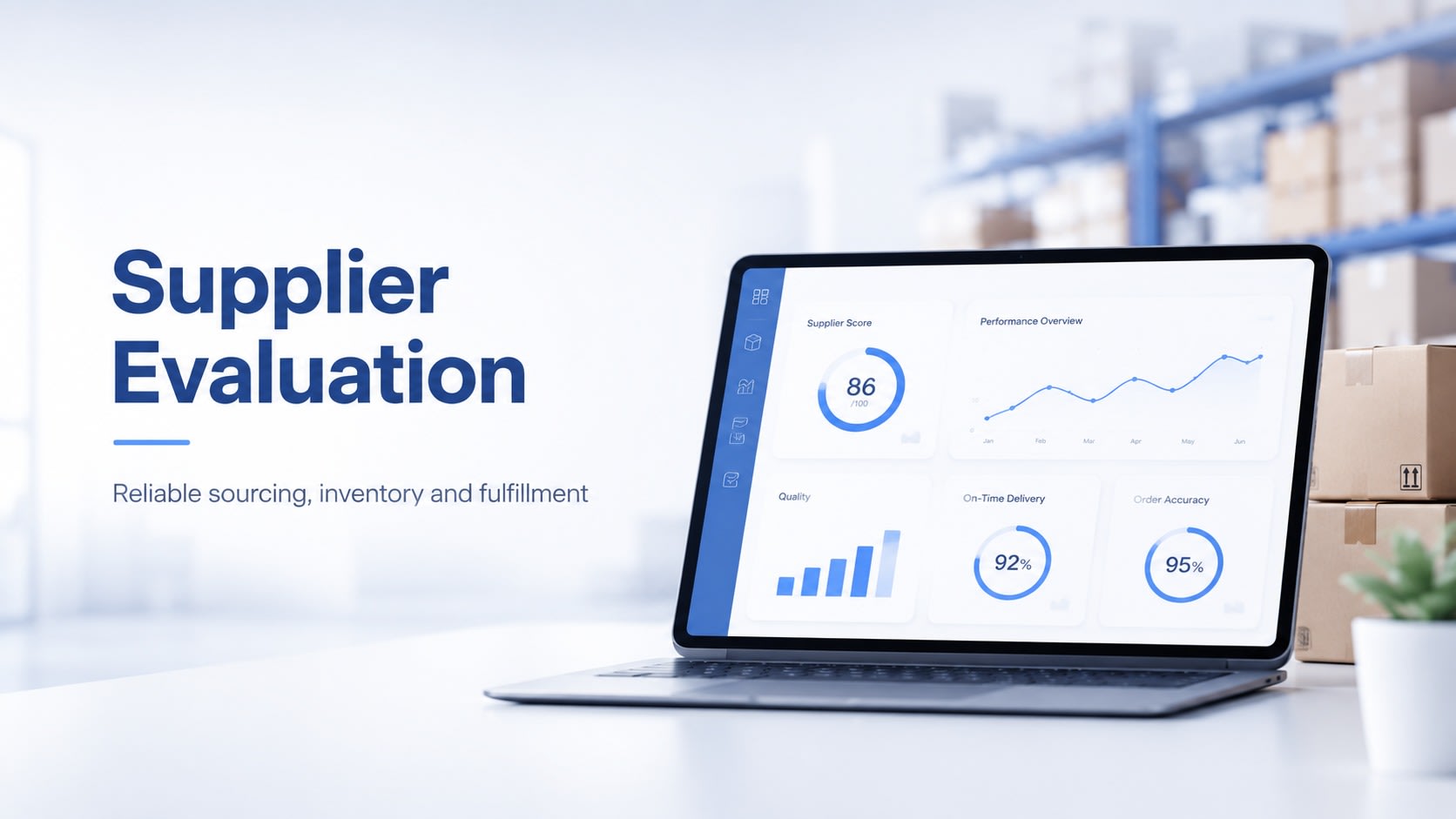
Doba, an AI-powered dropshipping operations platform, today outlined its approach to evaluating dropshipping suppliers, providing greater transparency into how suppliers are reviewed before onboarding and how product information and operational performance are managed on the platform.
The seasonally adjusted estimate of U.S. retail ecommerce sales reached $326.7 billion in the first quarter of 2026, increasing 9.8% from the same period a year earlier and accounting for 16.9% of total retail sales, according to the U.S. Census Bureau’s Quarterly Retail E-Commerce Sales report, released May 18, 2026 (CB26-81). As more purchases move online, inventory availability, processing times, delivery options and return policies play a larger role in the customer experience.
Inventory accuracy is also a direct conversion issue. According to the U.S. findings of the 2026 DHL eCommerce Trends Report, released by DHL on June 25, 2026 and based on responses from 1,000 U.S. online shoppers, 68% said they abandon purchases because products are out of stock or unavailable—the leading reason cited. Another 40% said they want real-time inventory updates and back-in-stock alerts. The findings reinforce the importance of understanding supplier inventory and fulfillment conditions before a product is listed.
Doba provides access to more than 1 million product SKUs. Approximately 90% of products available through the platform are stocked in U.S. warehouses. Doba supports integrations with 12 ecommerce platforms and marketplaces—including Shopify, Amazon, eBay, Walmart, TikTok Shop and Temu—and has served more than 3.2 million users since its founding in 2002.
These pressures make supplier selection an operational decision, not simply a search for the lowest wholesale price. Warehouse location, order-processing expectations, shipping conditions and after-sales policies can affect whether a product can be sold consistently and whether customer expectations can be met.
“Supplier reliability is an operational issue, not just a sourcing issue,” said Mandy Ji, CEO of Doba. “Price matters, but sellers also need visibility into inventory, processing expectations, shipping support and after-sales terms. Technology can make that information easier to organize, but informed sourcing decisions still depend on the quality and clarity of the underlying data.”
Supplier Qualification and Catalog Review
Doba reviews supplier-provided business credentials, product catalog details and operational information before granting platform access. The onboarding process is intended to establish basic business and operational readiness. The review may also include warehouse and inventory information, shipping coverage, order-processing expectations, and return or refund policies.
Product information is assessed separately from supplier-level qualifications. Sellers may need to compare individual products based on warehouse location, available inventory, shipping method, processing time and applicable order terms because conditions can vary across a supplier’s catalog.
Doba does not position supplier qualification as a guarantee of product performance or business results. Supplier onboarding is conducted at the supplier level, while product information and operational performance are managed according to platform rules on an ongoing basis. Sellers remain responsible for deciding whether specific products and conditions fit their store, channel and target market.
Inventory and Fulfillment Information
When stock information is incomplete or delayed, sellers may list products that later become unavailable, creating additional order-management and customer-service work. Doba provides available inventory, warehouse and shipping information to help sellers compare product options before listing or ordering.
The platform supports inventory synchronization across connected ecommerce channels, helping reduce the need for manual inventory checks. Processing times, shipping availability and delivery expectations may differ by supplier, product, warehouse and destination. Where applicable, Doba also considers order handling, tracking availability, cancellation issues, fulfillment performance and after-sales support.
Returns, Refunds and After-Sales Policies
Supplier reliability extends beyond shipment. Return eligibility, refund procedures, product-condition requirements and dispute-handling processes can affect operating costs and customer experience. As part of its evaluation, Doba considers whether suppliers provide clear return, refund and warranty information where applicable. Sellers are also encouraged to review product-specific policies before listing an item.
Supporting More Informed Product Selection
Doba combines supplier access, product sourcing, inventory synchronization, listing tools and fulfillment-related workflows within one platform. Its supplier and product information is designed to give sellers more context when comparing sourcing options across products and ecommerce channels.
The same information supports Doba’s AI-powered product research workflows, including Doba Pilot, its AI operations agent. Rather than relying only on general market content, Doba Pilot can draw on available product, inventory, warehouse and supplier information within Doba’s sourcing environment.
AI-assisted recommendations do not replace seller review. Sellers retain control over which products they select, which suppliers they work with and how those products are presented in their stores.
For more information about Doba’s supplier and product sourcing network, visit Doba’s supplier network page.
About Doba
Doba is an AI-powered, U.S.-focused dropshipping platform that combines 1M+ SKUs, U.S.-warehouse product options, fast domestic shipping support, and smart automation tools. With multi-channel integrations, real-time inventory sync, optional After-Sales Protection Services, and Doba Pilot, its AI-powered dropshipping agent, Doba helps sellers source products, create listings, fulfill orders, and manage operations more efficiently while reducing operational and fulfillment-related risks. For more information, please visit www.doba.com.