

Retail brands are lining up to — hopefully — get some of their money back from IEEPA-related tariff charges.
The Supreme Court ruled against President Donald Trump’s levies imposed under the International Emergency Economic Powers Act one week ago, invalidating his claim that the IEEPA gave him the authority to impose broad tariffs globally.
The court started hearing oral arguments on the historic case challenging the IEEPA’s use by Trump on Nov. 5. Since then, companies in the retail sector have scrambled to file lawsuits in the U.S. Court of International Trade in relation to tariffs, duties and fees.
Major apparel retailers are among those that have filed lawsuits specifically for refunds, with interest, related to IEEPA since the Supreme Court began hearing oral arguments, per court filings reviewed by Retail Dive. Those companies include Kohls Inc., PacSun, J Crew Group, Uniqlo’s U.S. entity and Abercrombie and Fitch Trading Co.
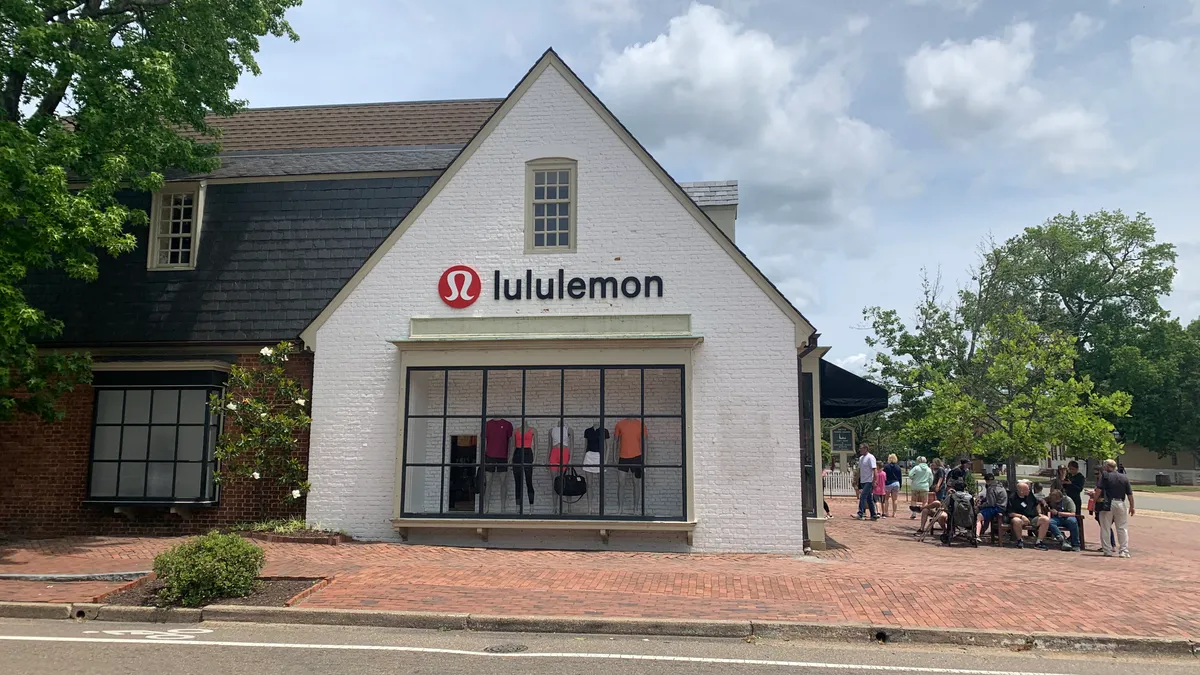
Athletics-focused consumer brands covered by Retail Dive — including Lululemon and Reebok International — and several beauty companies — such as Tarte and E.l.f. Cosmetics — have filed such lawsuits, too. And major discount retailers — Dollar General, Family Dollar Services and Ollie’s Bargain Outlet — have also filed.
Most of these lawsuits were filed prior to the Feb. 20 decision by The Supreme Court. Some of those cases are stayed due to an administrative order dated Dec. 23, which ordered “all currently unassigned cases and new cases filed” be stayed to facilitate the administration of new cases that continue to be filed challenging the IEEPA tariffs. The court at the time said it expected to determine next steps based on The Supreme Court’s Ruling.
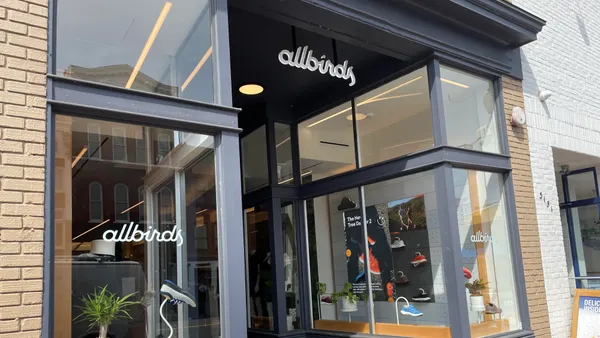
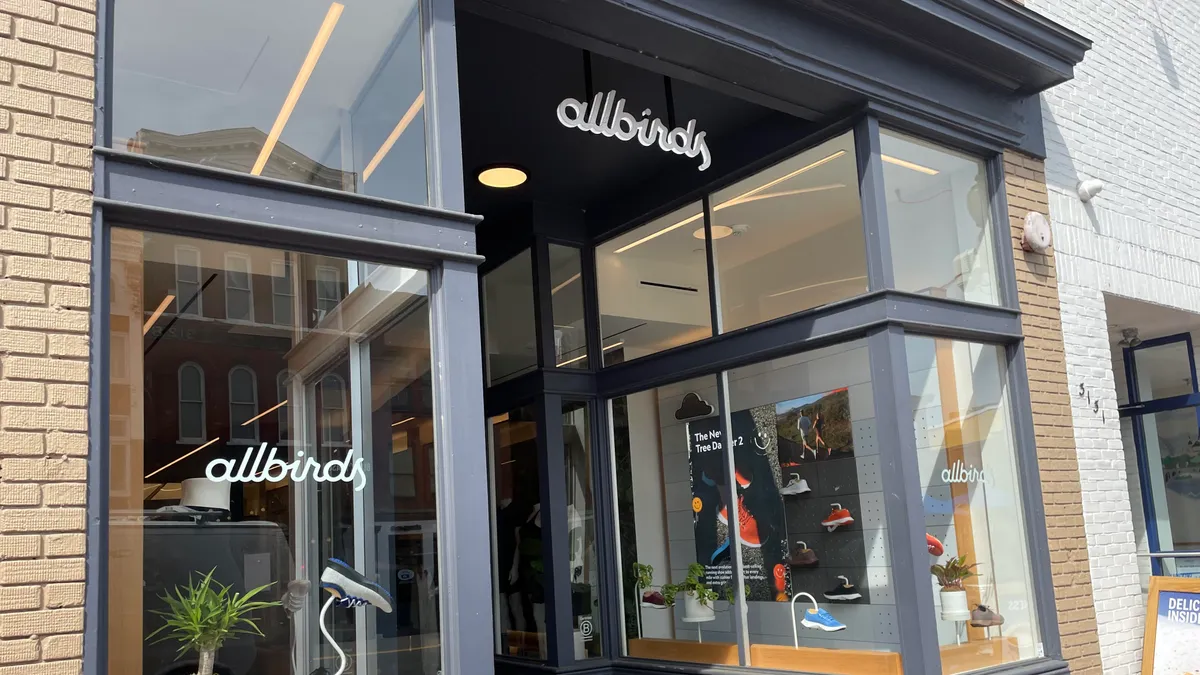
Brands such as On, Allbirds, Skechers, Sol De Janeiro and L’Oréal have filed their own lawsuits for IEEPA-related refunds since The Supreme Court’s decision.
But even if refunds are awarded to companies suing for them, retail brands still face a complex tariff environment, Mathew Mermigousis, BDO’s national practice leader and vice president of customs and international trade services, told Retail Dive.
“What they might look like, how long they will be — you really need to be prepared and can't let your guard down,” Mermigousis said.
Trump signed a proclamation just hours after The Supreme Court’s IEEPA decision to impose a 10% surcharge on imports entering the U.S., which will remain in place until July 24 unless extended by an act of Congress.
That’s already muddying the waters on the net positives of any IEEPA refunds. Warby Parker, for example, thinks that any benefit stemming from the IEEPA decision “will largely be offset by the statutory changes to tariffs that the administration is currently exploring,” Vice President of Finance Planning and Analysis Joshua Truppo told analysts on an earnings call Thursday.
Companies also need to have clean and comprehensive documentation of transactions to develop a sort of refund readiness file, regardless of whether the refund process will be through an administrative mechanism or through legal action, Mermigousis added. Typically, every import is deemed its own transaction and reviewed on an individual basis.
“That's going to be the huge legwork and the more burdensome aspect of it,” Mermigousis said. “The second point is … we have these go-forward tariffs. What is my strategy to address them, right? How do I mitigate them?”
It’s all part of the larger volatile trade environment created over the past year that breeds uncertainty for companies.
“I think we are still living in a volatile world when it comes to supply chains, and people will continue to be nimble,” Dylan Carden, a William Blair analyst, told Retail Dive in emailed comments. “We’ve been largely living in this type of a world for over a year … so I think we are broadly incrementally slightly more desensitized.”